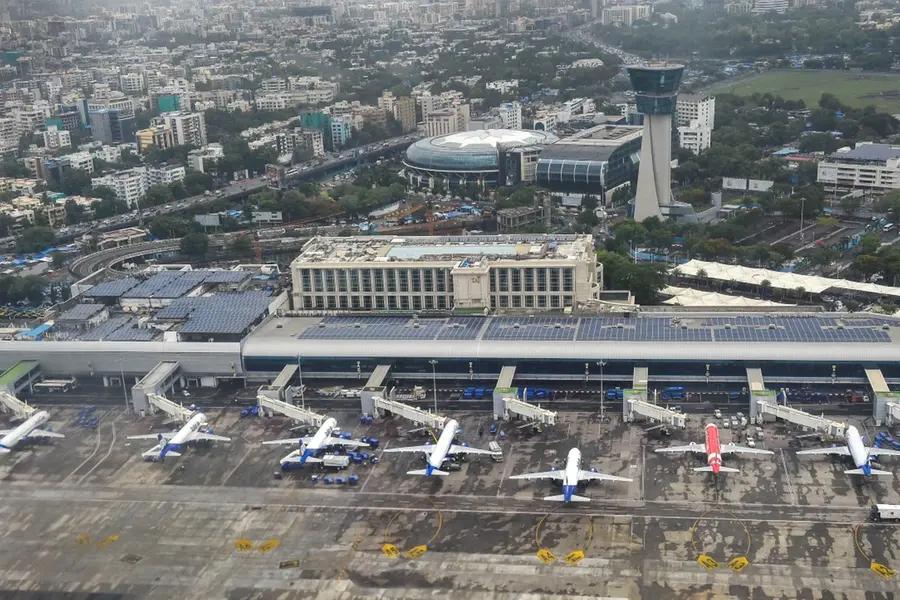
Mumbai’s planned shift of some international flight operations to Navi Mumbai International Airport has been postponed until March 2027, giving airlines more time to prepare for changes linked to the redevelopment of Mumbai airport’s Terminal 1. The decision follows concerns raised by airlines over operational disruption, capacity constraints and the proposed transition during the winter flight schedule.
International Flight Shift Postponed
The proposed relocation was initially scheduled for October 25, 2026, at the start of the winter aviation schedule. Under the earlier plan, airlines were asked to shift some international operations to Navi Mumbai or adjust their schedules to accommodate the redevelopment of Mumbai airport.
Following discussions between Adani Airports Holdings Limited and airline representatives, the partial shift has been deferred until the summer schedule beginning in March 2027.
The postponement means airlines can continue operating their planned international schedules through the winter period while stakeholders work towards a revised transition plan.
Why Is Mumbai Airport Rescheduling Flight Operations?
The decision is linked to planned redevelopment work at Terminal 1 of Chhatrapati Shivaji Maharaj International Airport in Mumbai.
The airport operator intends to renovate the terminal’s ageing infrastructure, a project that is expected to affect how passenger traffic and airline operations are managed across the airport.
To accommodate the resulting capacity constraints, authorities had considered moving a portion of international flight operations to Navi Mumbai International Airport. However, airlines raised concerns about the timing, operational implications and potential disruption to passengers.
The postponement provides additional time for airport operators and airlines to coordinate the next phase of the transition.
Airlines Raise Concerns Over the Proposed Transition
Airlines opposed the original plan, citing concerns about operational planning, passenger convenience and the impact of relocating flights during the winter schedule.
The proposal involved shifting or reducing approximately 33% of international flight operations at Mumbai airport to manage capacity while Terminal 1 undergoes redevelopment.
Following discussions with airline representatives, a joint working group is expected to develop a phased transition plan. The objective is to coordinate airport redevelopment requirements with airline schedules while minimising disruption to passengers.
Navi Mumbai International Airport’s Growing Role
Navi Mumbai International Airport is expected to play an increasingly important role in managing aviation demand across the Mumbai metropolitan region.
The airport provides an additional infrastructure option as Mumbai’s established airport faces redevelopment-related capacity constraints. A gradual transition could give airlines time to assess operational requirements, adjust schedules and prepare passengers for any changes.
However, the extent of the shift and the airlines that may relocate services will depend on the final transition plan.
What Does This Mean for International Travellers?
For passengers travelling during the winter schedule, the postponement offers reassurance that the proposed relocation will not take place as originally planned for October 25.
Travellers should nevertheless check their ticket details and departure airport before travelling, particularly as future operational changes remain possible.
Passengers should also distinguish between Mumbai’s existing Chhatrapati Shivaji Maharaj International Airport and Navi Mumbai International Airport. They are separate airports, and travelling to the wrong one could cause significant inconvenience.
Any future transfer of flights should be confirmed through airline notifications and official booking information.
What Happens Next?
Airport authorities and airline representatives are expected to continue discussions on the operational arrangements for the summer 2027 schedule.
The immediate priority is to establish a workable plan for Terminal 1’s redevelopment while managing passenger capacity and maintaining airline operations.
The postponement does not mean the proposed transition has been permanently cancelled. Instead, it moves the planned changes to a later stage, allowing more time for consultation and operational preparation.
For India’s aviation sector, the outcome will be important in determining how Mumbai’s two airports share traffic while essential infrastructure work progresses.