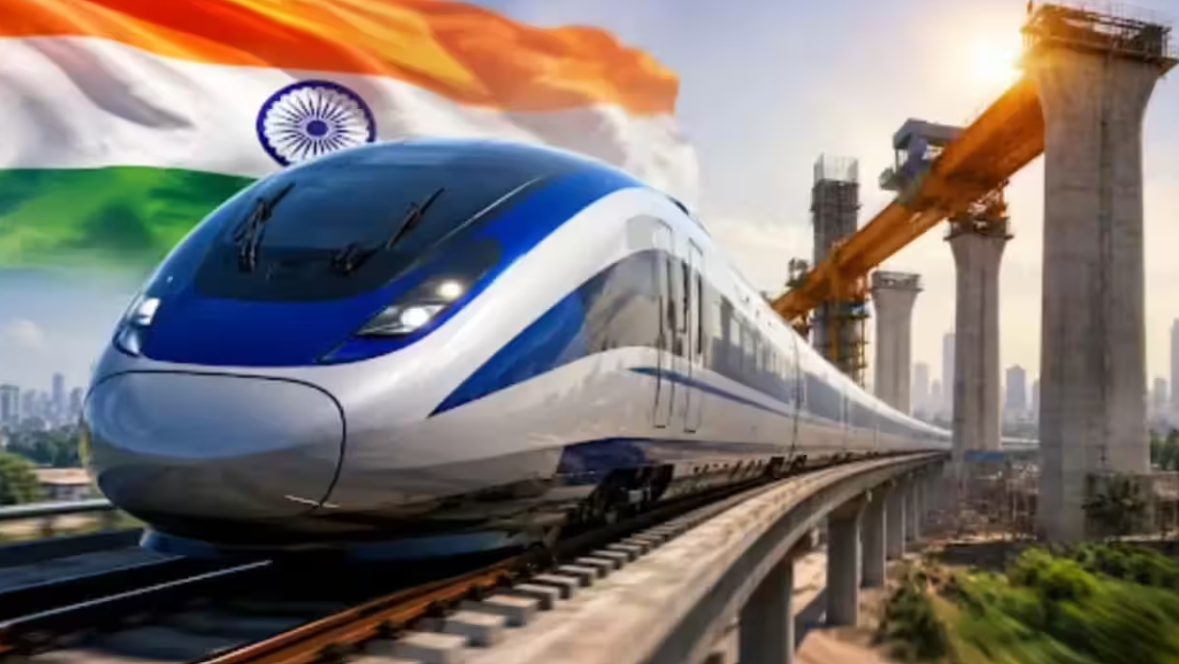
India’s proposed high-speed rail network is set for a major expansion, with Prime Minister Narendra Modi approving the Northern Corridor of the bullet train project, according to an announcement by Union Railway Minister Ashwini Vaishnaw on October 31, 2026.
The proposed corridor is expected to connect Delhi with several major cities across northern and eastern India, including Agra, Kanpur, Lucknow, Ayodhya, Varanasi, Prayagraj, Patna and Siliguri, before eventually extending to Guwahati.
One of the headline projections is a journey between Delhi and Agra in 59 minutes. The announcement could have significant implications for tourism, business travel and regional connectivity, particularly for visitors travelling between the national capital and Agra, home to the Taj Mahal.
The travel times are proposed journey estimates, not operating train schedules. A construction timeline, final route alignment and project cost have not yet been announced.
Delhi–Agra Journey Could Take Less Than an Hour
The proposed high-speed connection could substantially reduce travel time between Delhi and Agra, two important destinations on India’s tourism circuit.
According to the Railway Minister, the journey between the cities is expected to take just 59 minutes once the corridor is completed. This could make it easier for domestic and international visitors to combine a stay in Delhi with a visit to Agra.
Agra attracts travellers from around the world for the Taj Mahal, Agra Fort and its Mughal-era heritage. Faster rail connectivity could also support short visits, business travel and tourism-related activity along the corridor.
Proposed Northern Corridor: Cities on the Route
The planned network is expected to connect major urban, commercial and cultural centres across several states.
The route outlined by Vaishnaw includes:
- Delhi
- Agra
- Kanpur
- Lucknow
- Ayodhya
- Varanasi
- Prayagraj
- Patna
- Siliguri
- Guwahati
The proposed connections would link important destinations in Uttar Pradesh and Bihar with the national capital, while extending high-speed rail access towards West Bengal and the Northeast.
For tourism, the proposed network could improve access to heritage attractions, religious destinations and major urban centres. Cities such as Agra, Ayodhya, Varanasi and Prayagraj could become more accessible for travellers planning multi-city itineraries.
Proposed Travel Times Across Key Routes
The Railway Minister also outlined indicative journey durations for some major city pairs.
| Proposed route | Expected journey time |
|---|---|
| Delhi–Agra | 59 minutes |
| Delhi–Kanpur | 1 hour 45 minutes |
| Delhi–Lucknow | 2 hours 12 minutes |
| Lucknow–Varanasi | 1 hour 21 minutes |
| Delhi–Varanasi | Approximately 3.5 hours |
These figures reflect the travel-time projections shared by the minister. They should not be treated as confirmed schedules or guaranteed journey durations, as operational details have not yet been released.
Government Emphasises Make in India Construction
Vaishnaw said the Northern Corridor would be developed using domestic capabilities, with construction work from pillars to girders based on the Make in India approach.
He described the project as an opportunity to involve Indian engineers, skilled workers and manufacturing capabilities in the development of high-speed rail infrastructure.
The minister also said the proposed service would not be limited to affluent travellers, indicating that fares would be economical and lower than air travel. However, no ticket prices or fare structure have been announced.
What the Corridor Could Mean for Tourism
The proposed network could change how travellers plan journeys across northern India.
For visitors arriving in Delhi, the projected 59-minute connection to Agra could make it easier to include the Taj Mahal in shorter itineraries. Faster connections to Ayodhya, Varanasi and Prayagraj could also support multi-destination religious and cultural tourism.
The corridor may create opportunities for hotels, tour operators, local transport providers and businesses located around future stations. Improved connectivity could also encourage weekend travel and short visits between major cities.
However, the eventual tourism impact will depend on station locations, last-mile transport, ticket affordability and the frequency of services.
When Will the Northern Bullet Train Corridor Be Operational?
Although the Prime Minister’s approval was announced on October 31, 2026, several important project details remain undisclosed.
The announcement did not specify the final alignment, total project cost, construction start date, land acquisition requirements or expected completion year. No confirmed date has been given for the start of passenger services.
The corridor should therefore be viewed as an approved proposed project rather than an upcoming service with a confirmed launch schedule. Further details from the Railway Ministry and project authorities will be important in establishing how and when the network will take shape.
If developed as outlined, the Northern Bullet Train Corridor could become a major part of India’s future transport infrastructure, connecting important cities and potentially making journeys between some of the country’s best-known tourism destinations significantly faster.