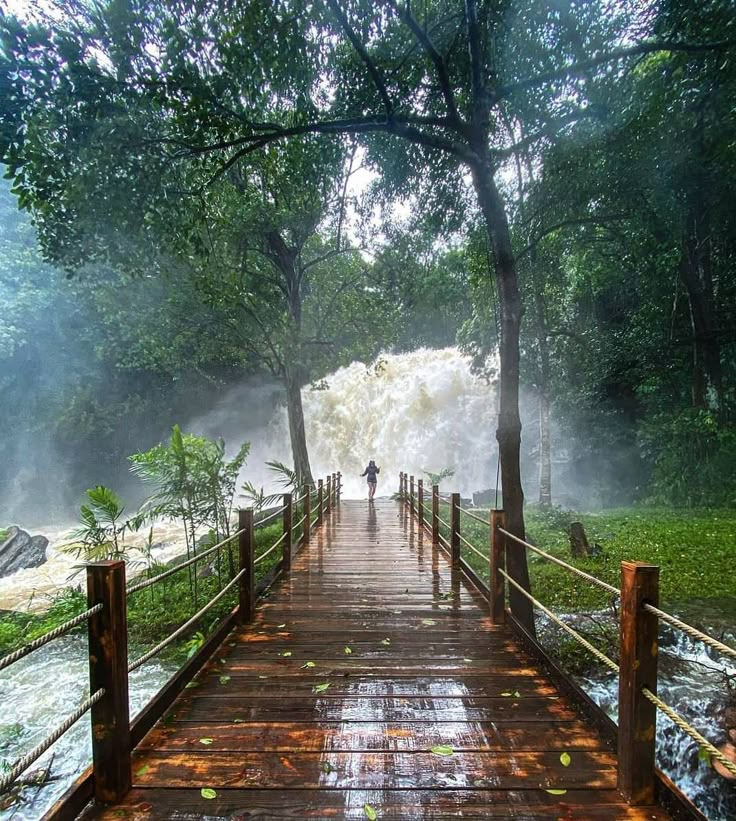
Coorg, officially known as Kodagu, takes on a different character during the monsoon. Located in Karnataka’s Western Ghats, the hill district is known for its coffee estates, forested valleys and cascading waterfalls. Between June and September, seasonal rainfall transforms the landscape, covering its hills in greenery and filling its streams and waterfalls with fresh water.
For travellers who enjoy misty scenery, quiet plantation stays and the atmosphere of the rainy season, monsoon can be a rewarding time to explore the region. Here are five reasons to consider visiting Coorg during this period.
1. Mist-Covered Coffee Plantations
Coffee plantations are among Coorg’s defining landscapes, and the monsoon adds to their appeal. Rain refreshes the estate vegetation, while mist moves across the surrounding hills and tall shade trees.
The combination of wet earth, greenery and the aroma of coffee plants creates an atmospheric setting for a relaxed holiday. Some plantation properties also offer walking paths and guided experiences, giving visitors an opportunity to learn about coffee cultivation and enjoy the natural surroundings.
Travellers should check with individual estates before planning walks, as heavy rain can make plantation paths muddy and slippery.
2. Spectacular Waterfalls
The monsoon brings Coorg’s waterfalls to life. Rainfall increases the flow of streams and rivers, creating dramatic cascades surrounded by dense vegetation.
Abbey Falls, near Madikeri, is among the region’s best-known attractions. Water from streams and brooks comes together before flowing over a rocky drop into the Kaveri river system. Iruppu Falls, located in the Brahmagiri Hills, is another popular natural attraction.
The increased water flow makes these places particularly striking during the rainy season. However, strong currents and slippery rocks can make access dangerous. Visitors should follow local safety instructions, respect temporary closures and avoid approaching waterfall edges or entering swollen streams.
3. Pleasant Weather and Fresh Mountain Air
Coorg’s elevated terrain and surrounding forests give it a cooler atmosphere than many nearby cities. During the monsoon, cloud cover, mist and intermittent showers create a refreshing environment.
The weather can make a plantation-side stay or a scenic drive especially appealing. Visitors can enjoy the changing views from a homestay, spend time in cafés or explore accessible attractions between spells of rain.
However, the season does not guarantee continuous gentle drizzle. Heavy rainfall can sometimes disrupt travel plans, so flexible itineraries are preferable to tightly scheduled sightseeing.
4. Lush Green Landscapes
One of the biggest attractions of visiting Coorg during the monsoon is the transformation of its natural scenery. Hills, valleys, forests and plantation areas become intensely green as vegetation receives seasonal rainfall.
The mist-covered Western Ghats provide striking views, particularly when clouds move across the slopes and briefly reveal the surrounding valleys. The landscape also offers opportunities for photography, especially for travellers interested in nature and rural scenery.
Places around Madikeri and the plantation stretches of Kodagu offer opportunities to enjoy these seasonal views. Clear visibility is never guaranteed, though, as thick cloud cover can sometimes obscure distant viewpoints.
5. A More Peaceful Getaway
Coorg can offer a quieter holiday experience during the rainy season compared with busier travel periods. Some visitors prefer monsoon stays because they can enjoy the atmosphere of the plantations, spend more time indoors and experience the destination at a slower pace.
Homestays and resorts surrounded by coffee estates provide an opportunity to enjoy local food, warm drinks and the sound of rainfall without following a packed sightseeing schedule.
Crowd levels and accommodation prices vary according to weekends, holidays and individual properties, so visitors should compare options and book according to their travel dates.
Is Monsoon the Best Time to Visit Coorg?
The answer depends on the kind of holiday a traveller wants. The monsoon, generally extending from June to September, is especially attractive for those who enjoy rain-soaked landscapes, flowing waterfalls and misty plantation views.
For clearer skies, easier road travel, trekking and outdoor sightseeing, October to March is generally a more comfortable period. Karnataka’s tourism guidance also identifies these months as the preferred overall visiting season.
Those planning a monsoon trip should carry waterproof clothing, sturdy footwear and protective bags for electronic devices. It is advisable to travel during daylight, check road conditions before setting out and confirm whether waterfalls, trekking routes and other attractions are open.
Coorg’s rainy season is not simply about sightseeing. It is an opportunity to experience the Western Ghats at their greenest and enjoy a slower kind of holiday. For travellers willing to adapt to changing weather, the combination of coffee plantations, waterfalls and mist-covered hills can make monsoon a memorable time to visit.