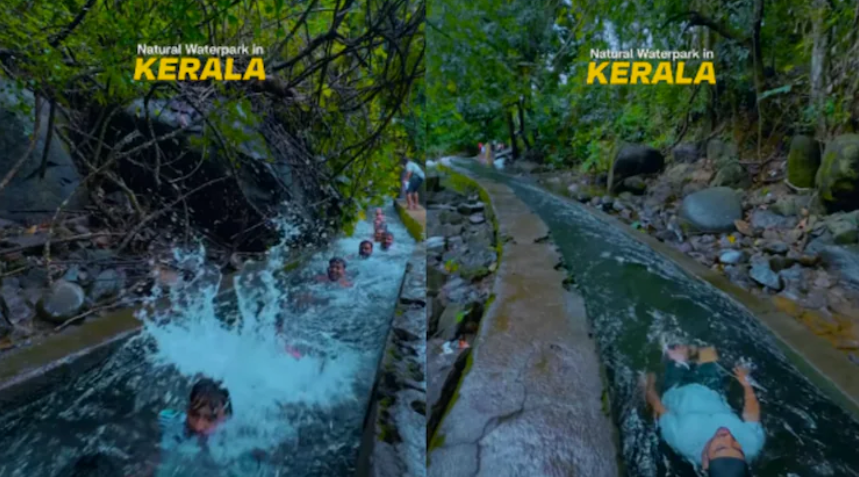
Forget expensive water parks and artificial slides. In Kerala’s Malappuram district, a riverside spot surrounded by greenery is attracting attention for its natural water channels, a check dam and smooth rock formations that allow visitors to enjoy the flowing water.
Located at TK Colony in Nilambur, this lesser-known destination has gained attention after a travel video showed visitors floating through a canal and enjoying a naturally formed water slide. Unlike commercial water parks, the attraction uses the existing river landscape and has no reported entry fee.
The location offers a different kind of water experience for travellers looking to explore Kerala beyond its popular beaches, hill stations and backwaters.
TK Colony: A Natural Water Playground in Nilambur
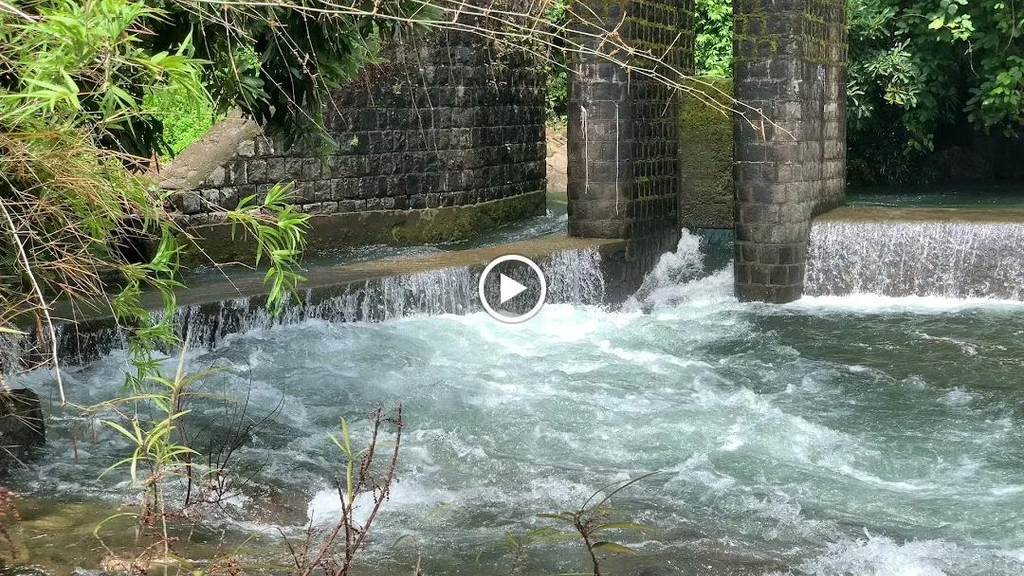
TK Colony is situated near Nilambur in Malappuram district, within a green, forest-covered landscape.
The attraction features a natural water channel, a check dam and flowing water surrounded by rocky terrain and vegetation. Visitors can float in the canal, enjoy the cool water and experience the natural rock formations that create a slide-like effect.
A video shared on Instagram by travel photographer and content creator Rishi, known as @silent.monk_, brought the location to wider attention.
The appeal lies in its simplicity. There are no elaborate rides, artificial pools or commercial water-park installations. Instead, the surrounding landscape provides the setting for a nature-based outing.
The spot is also identified by the local Amarambalam Grama Panchayat as a natural, forest-covered destination near Nilambur, known for river bathing and its green surroundings.
Where Is TK Colony and How to Reach It?
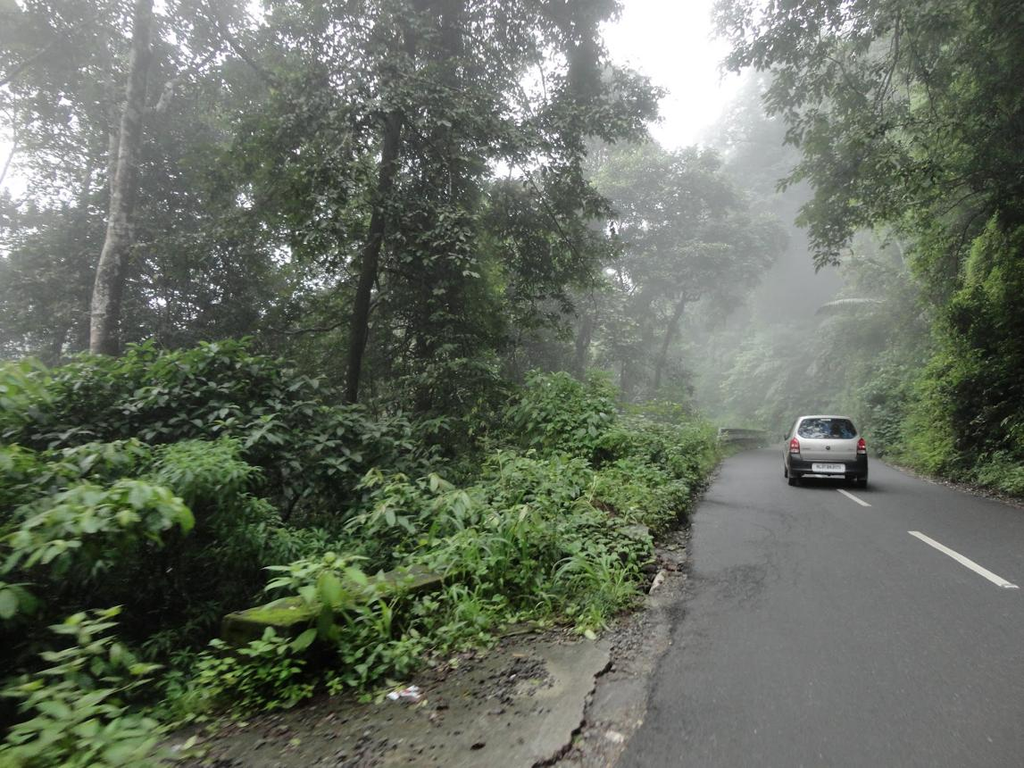
TK Colony is located near Pookkottumpadam, in the Nilambur region of Malappuram district, Kerala.
According to local panchayat information, it is approximately 22 km from Nilambur town and around 10 km from Pookkottumpadam.
Travellers can reach the area through the following routes:
| Travel option | Details |
|---|---|
| By road | Travel to Nilambur and continue towards TK Colony |
| By rail | Nilambur has its own railway station |
| By air | Calicut International Airport is the nearest major airport |
| From Bengaluru | Approximately 320 km by road, as reported by NDTV |
The final stretch involves travelling towards the TK Colony area. Since it is away from major tourist centres, visitors should check the road route and local access conditions before setting out.
What Else Can You Explore Around Nilambur?
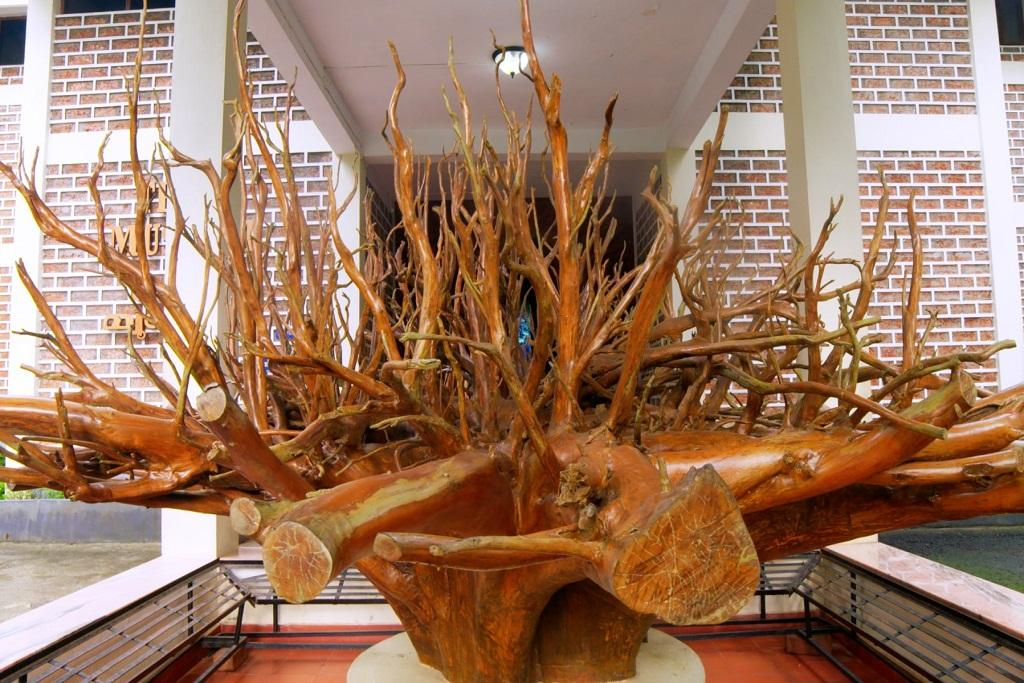
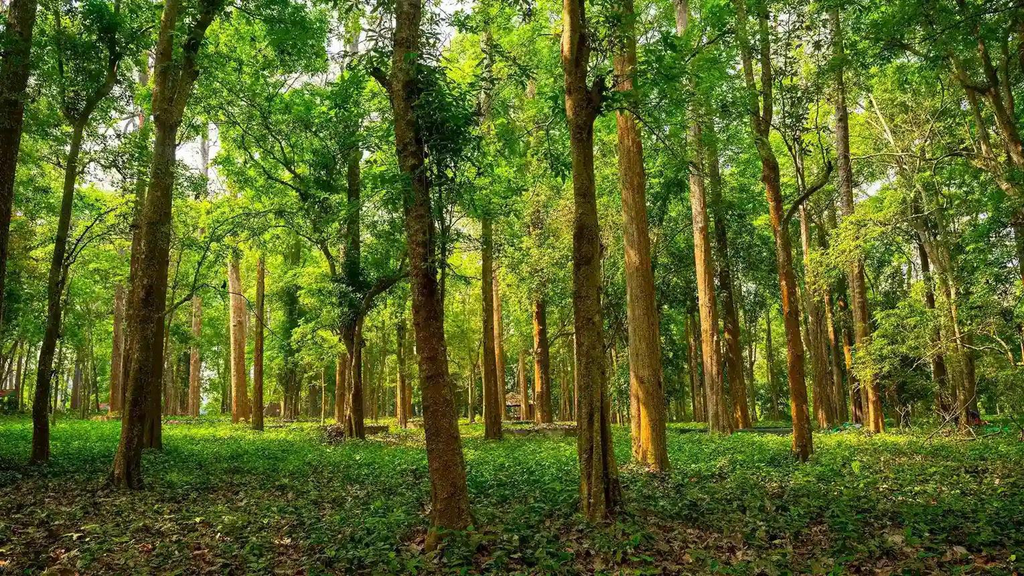
A visit to TK Colony can also be combined with other attractions around Nilambur, a region popularly known as the Land of Teak.
Nilambur Teak Museum
The museum introduces visitors to the history, cultivation and uses of teak. Its exhibits explain the importance of the timber and the forests associated with the region.
Conolly’s Plot
One of the region’s best-known attractions, Conolly’s Plot is a historic teak plantation named after H. V. Conolly, a former British Malabar district collector. It offers an opportunity to explore Nilambur’s long association with teak cultivation.
Kannimara Teak Tree
Located in the Conolly’s Plot plantation, the Kannimara teak tree is particularly known for its impressive size and age.
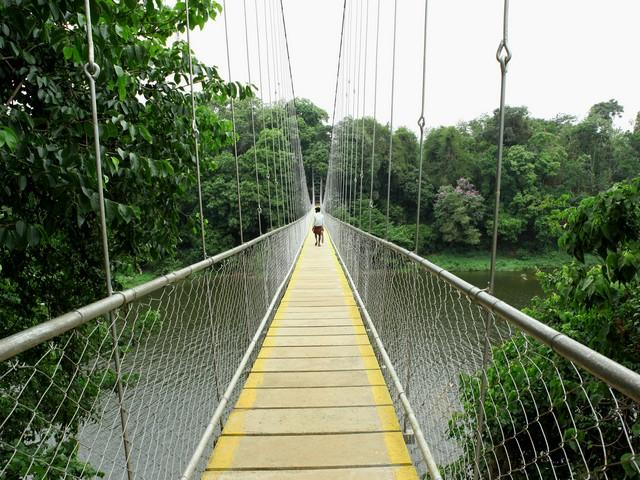
Chaliyar River and Hanging Bridge
The Chaliyar River adds to the natural appeal of the region. Visitors can also explore the nearby hanging bridge and surrounding landscapes.
These attractions make Nilambur suitable for a longer nature-focused trip rather than a visit limited to the water attraction.
Best Time to Visit Nilambur
Use this instead:
December to February is generally considered one of the best periods to explore Nilambur. The cooler weather makes it ideal for sightseeing, nature excursions and visiting the region’s surrounding attractions.
However, the best time for sightseeing should not automatically be treated as the safest time for swimming or using the natural water slide.
Water levels and currents can change with rainfall. The local panchayat specifically cautions that parts of the river are deep, particularly during the rainy season.
Visitors should check local conditions before entering the water and avoid swimming during heavy rainfall, strong currents or sudden changes in water levels.
Important Things to Know Before Visiting
TK Colony is a natural riverside location, not a professionally managed water park. Its appeal comes from the existing landscape, but this also means visitors should take additional care.
There is currently no entry fee for enjoying the natural water activities at TK Colony. However, visitors should check local access conditions and confirm whether any additional facilities or services involve charges before travelling.
A few precautions are worth keeping in mind:
- Check local weather and water conditions before travelling.
- Avoid entering deep or fast-flowing sections of the river.
- Wet rocks can be slippery, so use appropriate footwear and exercise caution.
- Do not dive or slide into unfamiliar water without checking its depth and underwater obstacles.
- Follow forest-area restrictions and instructions from local authorities.
- Avoid leaving plastic, food waste or other litter behind.
The location is best approached as a nature experience that requires responsible behaviour rather than as an unsupervised adventure park.
A Different Way to Discover Kerala
Kerala is widely associated with backwaters, beaches, tea plantations and hill destinations. TK Colony offers another experience by bringing visitors closer to the state’s river landscapes and forest-covered countryside.
Its natural water channel, check dam and surrounding greenery give it a distinct appeal, especially for travellers interested in outdoor experiences that do not require expensive tickets or elaborate facilities.
For those exploring Malappuram and Nilambur, the spot could become an interesting addition to a wider itinerary that includes teak plantations, museums and riverside landscapes.