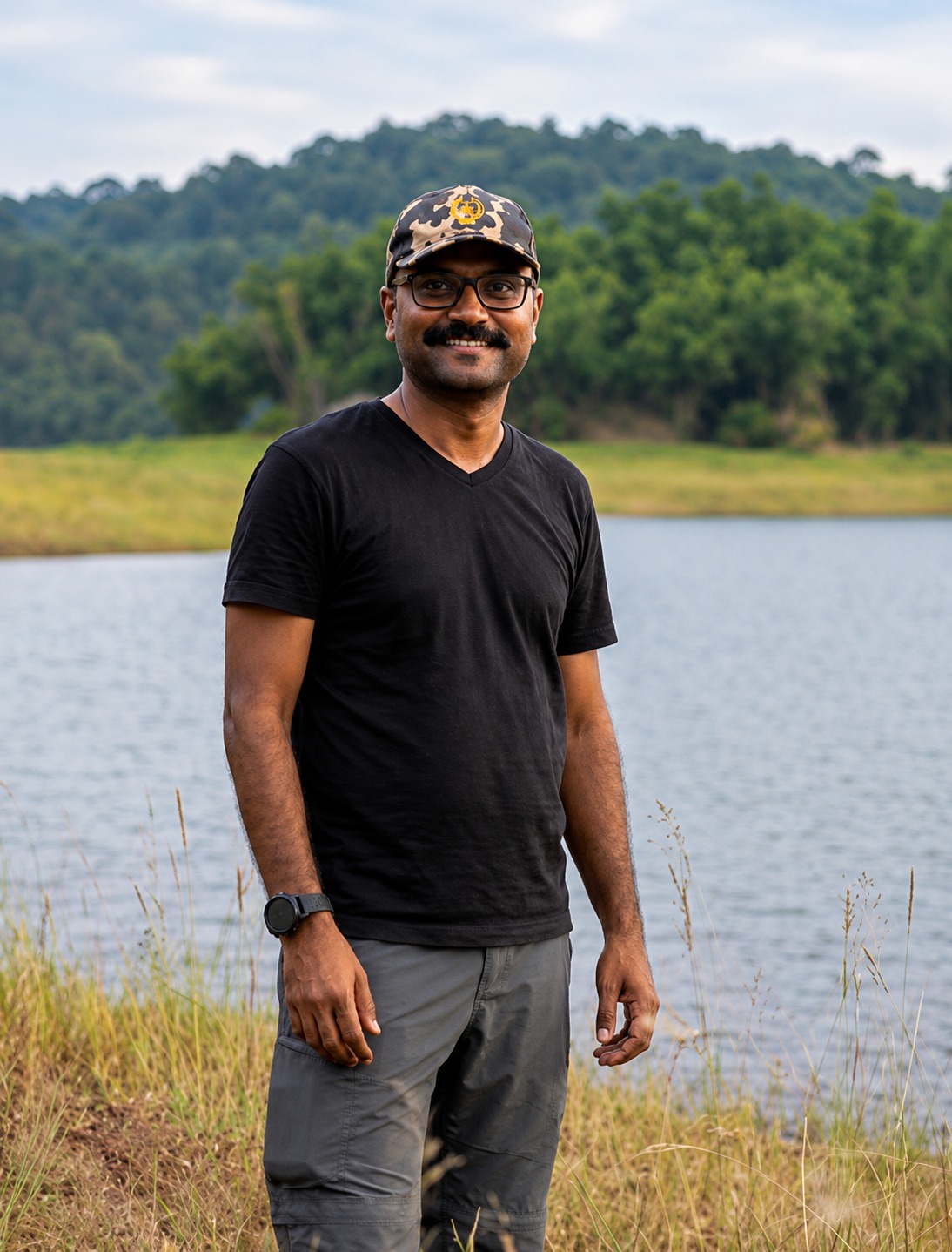
Attributed to Vikash Kumar, Founder, Biosphere Pools
For decades, a swimming pool has been one of the most recognisable symbols of luxury in residential real estate. A pool in the backyard, on a terrace or overlooking a city skyline was enough to signal exclusivity. But the definition of luxury living is changing. Today’s affluent homeowner is increasingly looking beyond the presence of a pool and asking a more fundamental question: What does this water add to the experience of living?
This is where water is evolving from a standalone amenity into an integral part of the landscape.
Moving Beyond the Conventional Swimming Pool
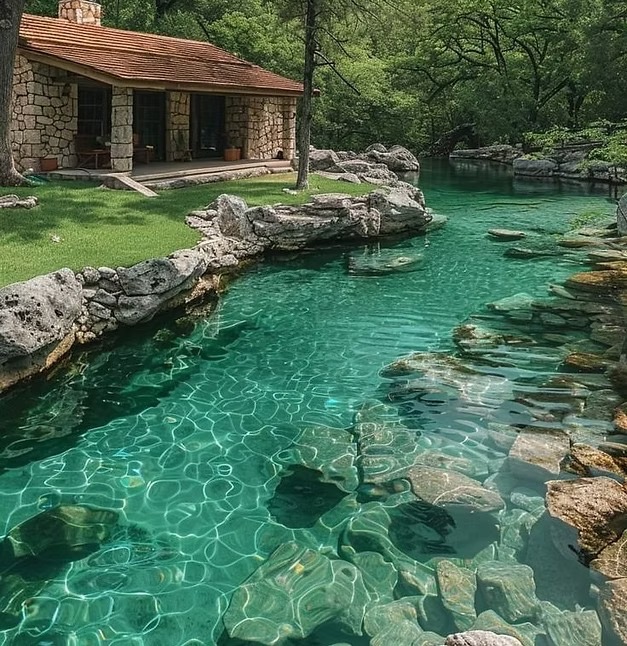
Traditional pools have largely been designed around one primary function: swimming. They are often treated as an architectural element that occupies a defined space within a property. The next generation of luxury homes, however, is likely to approach water differently. Instead of designing a pool and then landscaping around it, architects and homeowners are increasingly looking at water as part of the landscape itself. This can mean incorporating natural swimming pools, ponds, streams, cascades, reflective water bodies and interconnected aquatic environments into the overall design of a property. The result is not simply a place to swim. It is an environment that changes how a home looks, feels and interacts with its surroundings.
Luxury Is Becoming More Experiential
Luxury consumption is moving away from simply owning expensive objects towards creating meaningful experiences. The same shift is visible in residential architecture. A water body can create a sense of arrival, provide visual calm, introduce movement into an otherwise static landscape and become a space for relaxation and social interaction. Imagine entering a residence where water flows gently alongside a pathway, a natural pond forms the centrepiece of the garden, or a swimming area seamlessly transitions into a landscaped environment. Such spaces offer something a conventional pool often cannot: an experience that engages multiple senses. This is particularly relevant as luxury homeowners increasingly view their residences as personal retreats rather than simply places to live.
Nature Is Becoming Part of the Definition of Premium
There is another important shift taking place: sustainability is becoming increasingly intertwined with luxury. For today’s environmentally conscious homeowner, luxury does not necessarily mean excess. It can mean thoughtful design, responsible resource use and a closer connection with nature. Natural water systems can be designed to function as living ecosystems, using biological processes and carefully engineered filtration systems rather than relying solely on conventional chemical treatment. This creates an opportunity to rethink what a premium water feature can be. Instead of being an isolated, resource-intensive structure, water can become a living component of the landscape. The opportunity for architects is therefore much larger than simply replacing one type of pool with another. It is about designing water systems that complement the ecology, architecture and identity of a property.
The Architect’s Role Is Changing
This evolution also presents an interesting opportunity for architects and landscape designers. Water can no longer be considered merely an additional feature to be inserted into an existing design. Its placement, circulation, surrounding vegetation, materials and relationship with the built environment can all influence the character of a home. A well-designed water landscape can soften hard architectural forms, create micro-environments and establish visual connections between indoor and outdoor spaces. As Indian luxury residences become more sophisticated, collaboration between architects, landscape designers, engineers and water specialists will become increasingly important. The most successful projects will be those where water is considered from the beginning of the design process rather than added at the end.
India Has a Unique Opportunity
India’s diverse climate, growing luxury residential market and strong cultural relationship with water create an interesting environment for this evolution. From traditional stepwells and temple ponds to courtyards, fountains and gardens, water has historically played an important role in Indian architecture and landscape design. The opportunity today is to reinterpret that relationship through modern engineering and contemporary design. Instead of copying the conventional luxury pool model, Indian homes can develop water landscapes that respond to their location, climate, architecture and natural surroundings. This could be particularly relevant for large private residences, farmhouses, resorts and high-end developments where landscape forms a significant part of the overall living experience.
The New Luxury Is About How a Space Makes You Feel
The future of luxury residential design may therefore not be defined by how large a swimming pool is, but by how intelligently water is integrated into the environment. The pool of the future could be a swimming space, a garden, a habitat, a visual centrepiece and a wellness environment at the same time. This represents a broader change in how we think about luxury. The most desirable homes of tomorrow may not be those that simply have more amenities, but those that create a deeper relationship between architecture, nature and the people who inhabit them.
Water, in that sense, is no longer just something a luxury home contains. It is becoming part of the landscape that defines the home itself.