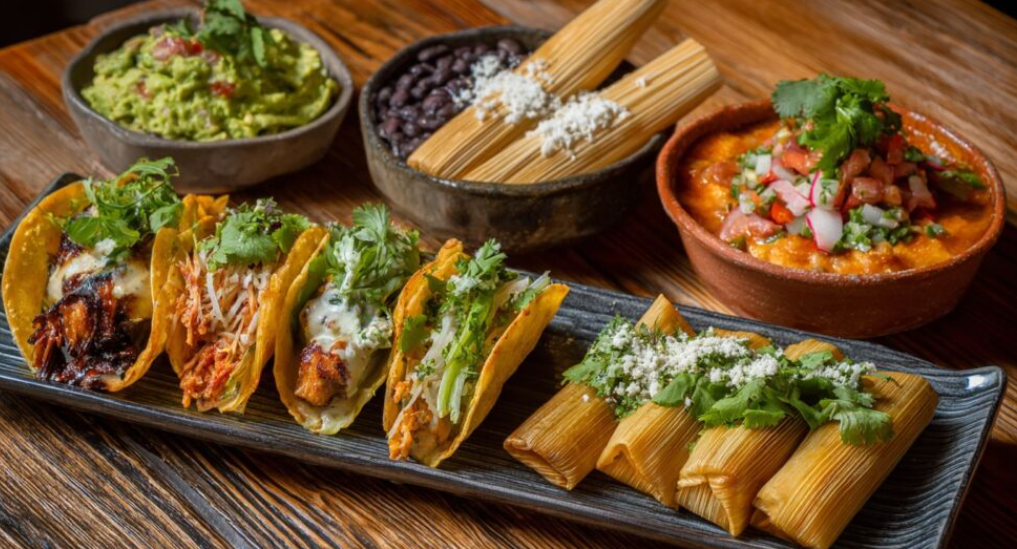
From French onion soup and buttery pastries to Mexican tacos, tamales and slow-cooked meats, France and Mexico offer two distinctive culinary traditions shaped by geography, history and regional ingredients.
A CNN Travel roundup published on August 15, 2026, brings these cuisines into the spotlight through a collection of 20 classic French dishes and 23 Mexican dishes worth exploring. Rather than treating food as a competition between two countries, the collection offers an opportunity to understand how different cooking traditions have developed and why they continue to attract travellers.
The feature also highlights cancoillotte, a traditional French cheese gaining attention for its relatively low fat content and protein profile.
For food-focused travellers, the two countries offer very different journeys, from French bistros and regional markets to Mexican street-food stalls and family-run kitchens.
France: Regional Ingredients and the Art of Classic Cooking
French cuisine is often associated with fine dining, elaborate presentation and Michelin-starred restaurants. However, its culinary identity also comes from regional home cooking, seasonal ingredients and techniques developed over generations.
The collection of 20 classic dishes includes several preparations that represent different parts of the country.
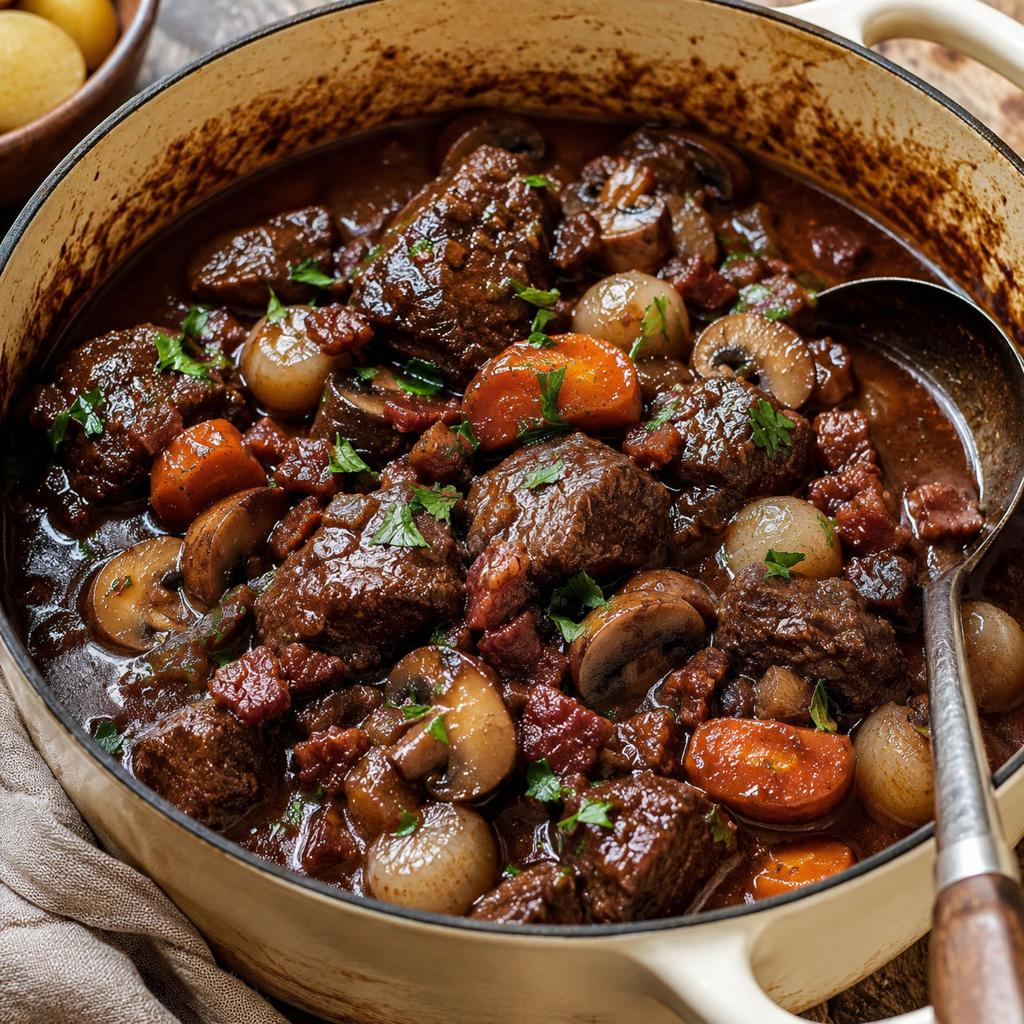
Boeuf Bourguignon, associated with Burgundy, is a slow-cooked beef stew prepared with red wine and vegetables. It reflects the region’s wine-producing traditions and the importance of patient cooking.
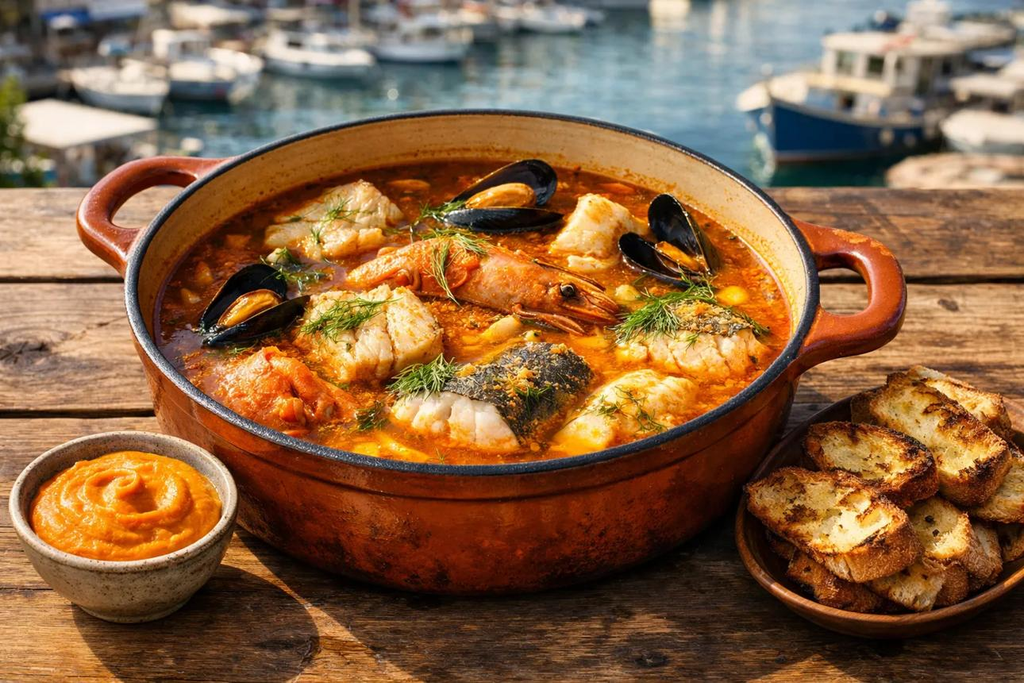
Bouillabaisse, originating in Marseille, is a seafood speciality traditionally prepared with several varieties of fish and served with croutons and rouille, a garlic and pepper sauce.
For dessert, Tarte Tatin offers a combination of caramelised apples and pastry, while Crème Brûlée is known for its smooth custard and crisp caramelised sugar topping.
Other notable dishes from the collection include:
- French onion soup, topped with toasted bread and melted cheese.
- Escargots, traditionally prepared with parsley and garlic butter.
- Cassoulet, a slow-cooked bean-based dish associated with southwestern France.
- Quiche Lorraine, a savoury pastry filled with eggs, cream and bacon.
- Ratatouille, a vegetable preparation associated with Provence.
- Confit de canard, duck preserved and slowly cooked in its own fat.
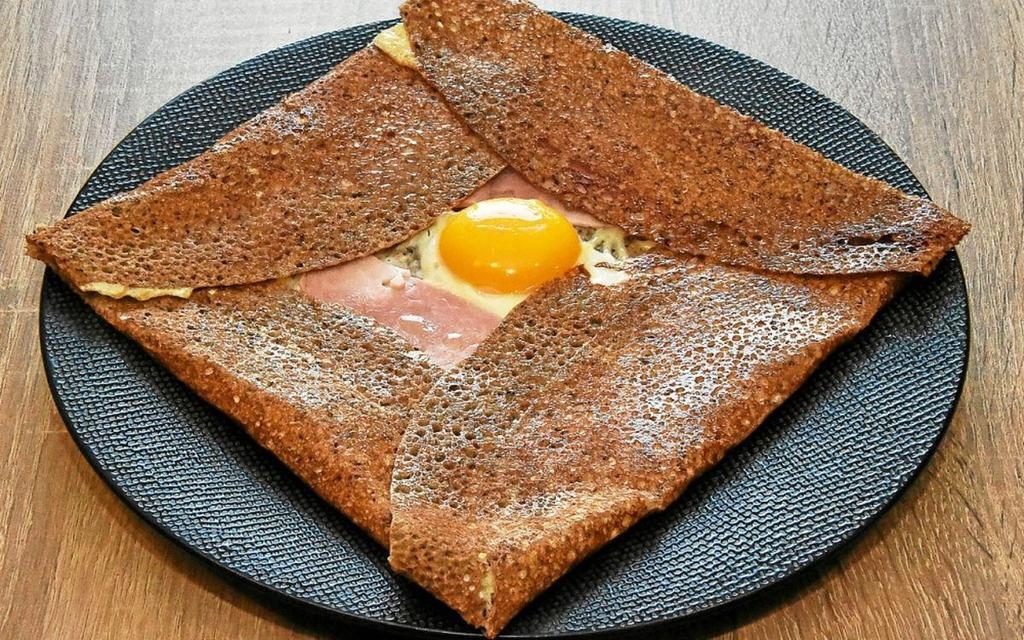
- Crêpes and buckwheat galettes, associated with Brittany.
- Steak frites, a familiar combination of beef and fried potatoes.
Together, these dishes demonstrate that French food culture extends well beyond haute cuisine. Regional ingredients, traditional preparation methods and local food customs remain central to the country’s culinary identity.
Mexico: Indigenous Ingredients and Centuries of Culinary Exchange
Mexican cuisine reflects a long history of Indigenous food traditions and cultural exchange following European contact. Its culinary foundations include corn, chillies, tomatoes, chocolate and vanilla, alongside ingredients and cooking practices that vary significantly between regions.
One of the most important processes is nixtamalisation, a traditional method of treating corn with an alkaline solution, commonly made using calcium hydroxide. The process helps prepare corn for grinding into masa, which is used in tortillas, tamales and numerous other dishes.
The 23-dish collection features several well-known examples of Mexican cooking.
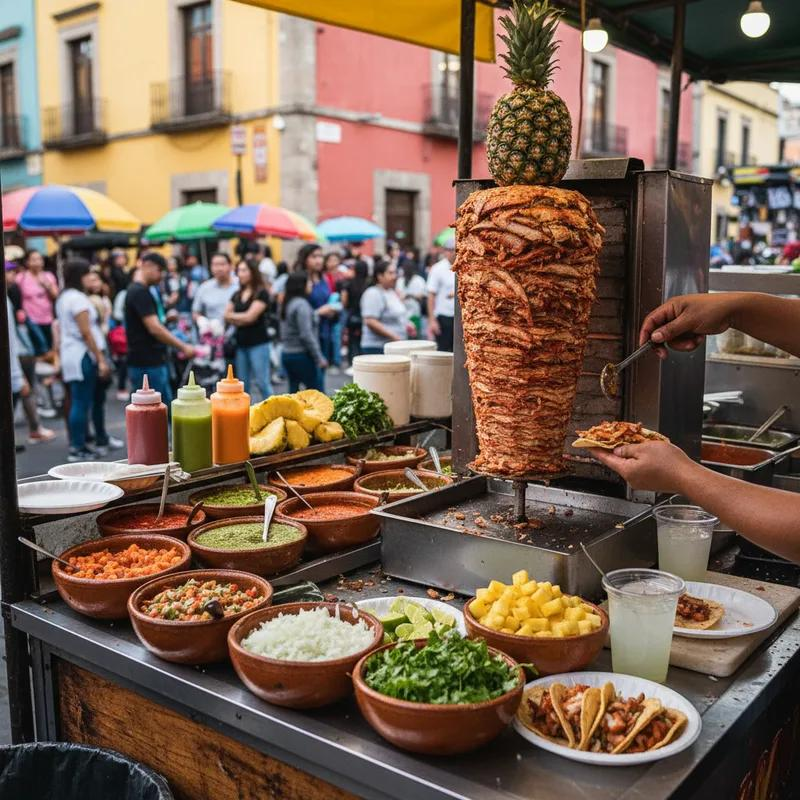
Tacos al pastor are prepared with marinated pork cooked on a vertical spit, often with pineapple. The technique has connections to the cooking traditions brought by Lebanese immigrants to Mexico.
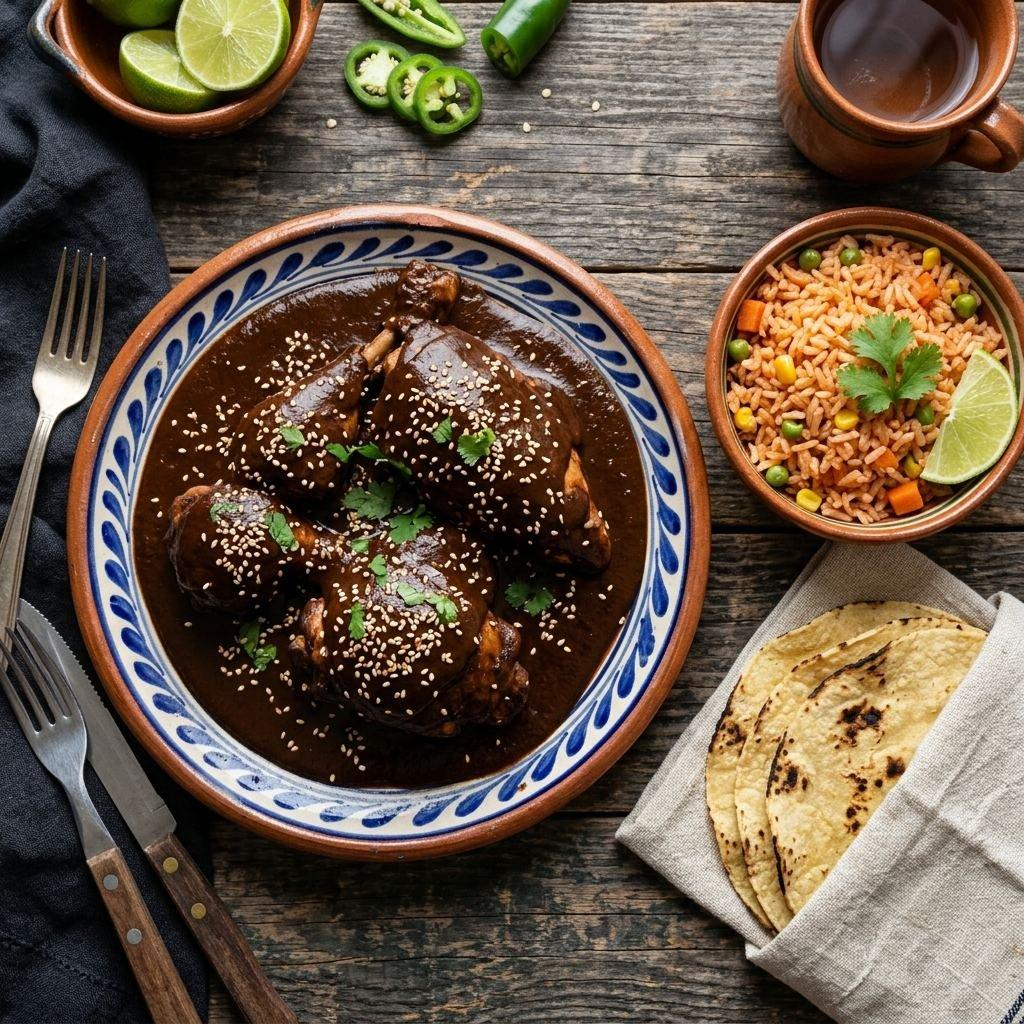
Mole, particularly mole poblano, is a complex sauce that can combine chillies, spices, seeds, nuts and chocolate. Recipes differ across regions and families.
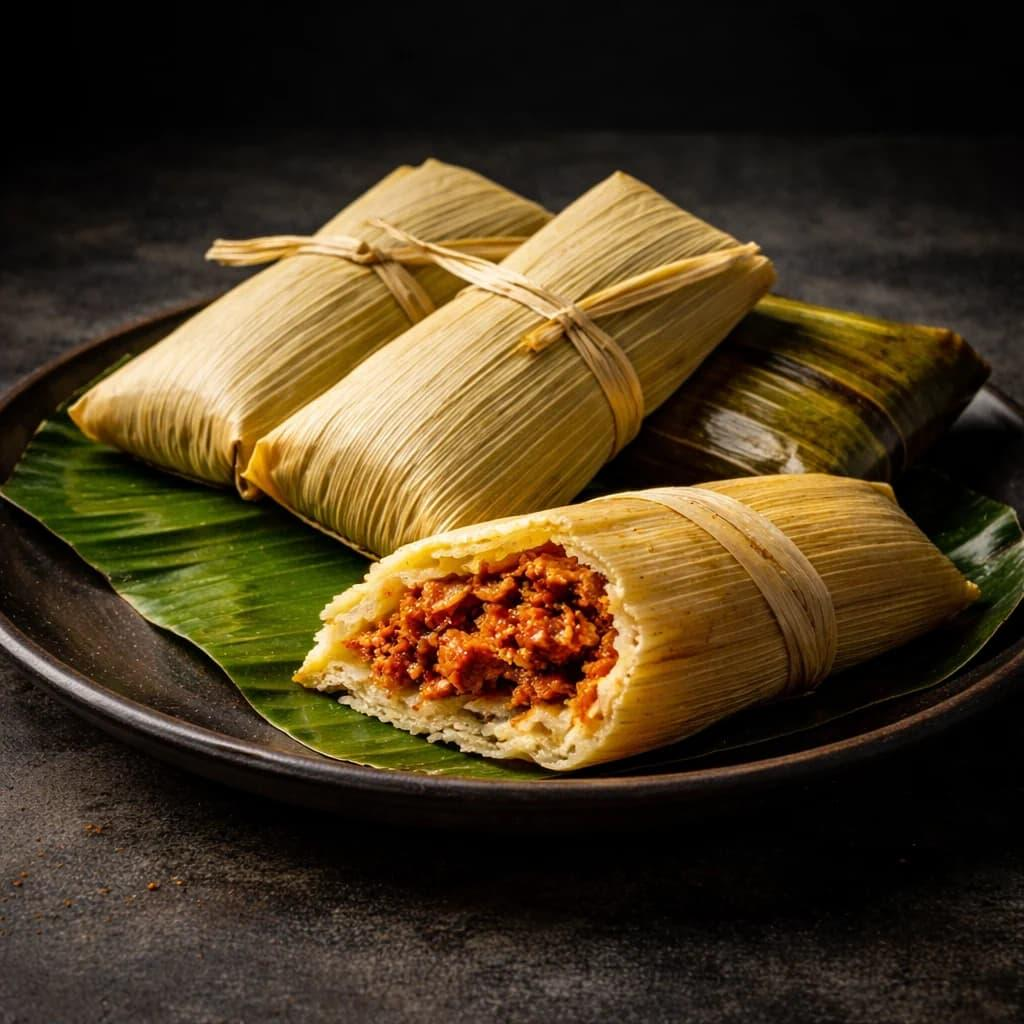
Tamales are made using masa wrapped in corn husks or banana leaves, with fillings that can include meat, vegetables and sauces.
Other dishes highlighted in the wider collection include:
- Chilaquiles: Fried tortilla pieces simmered or tossed in red or green salsa, often served with eggs, crema and cheese.
- Barbacoa: Meat slowly cooked using traditional methods that vary by region.
- Birria: A richly seasoned meat stew associated with Jalisco.
- Carnitas: Pork slowly cooked until tender and then crisped.
- Pozole: A traditional soup made with hominy and meat or other ingredients.
- Tlayuda: A large, crisp tortilla associated with Oaxaca.
- Cochinita pibil: A Yucatán speciality of pork marinated with achiote and citrus, traditionally cooked underground.
- Chiles en nogada: Stuffed poblano peppers topped with a walnut-based sauce and pomegranate seeds.
- Conchas: Sweet bread rolls with a distinctive shell-patterned topping.
These dishes reveal how Mexican food varies across the country’s landscapes, from coastal seafood traditions to the complex sauces and slow-cooked preparations of inland regions.
France’s Cancoillotte Cheese Gets Fresh Attention
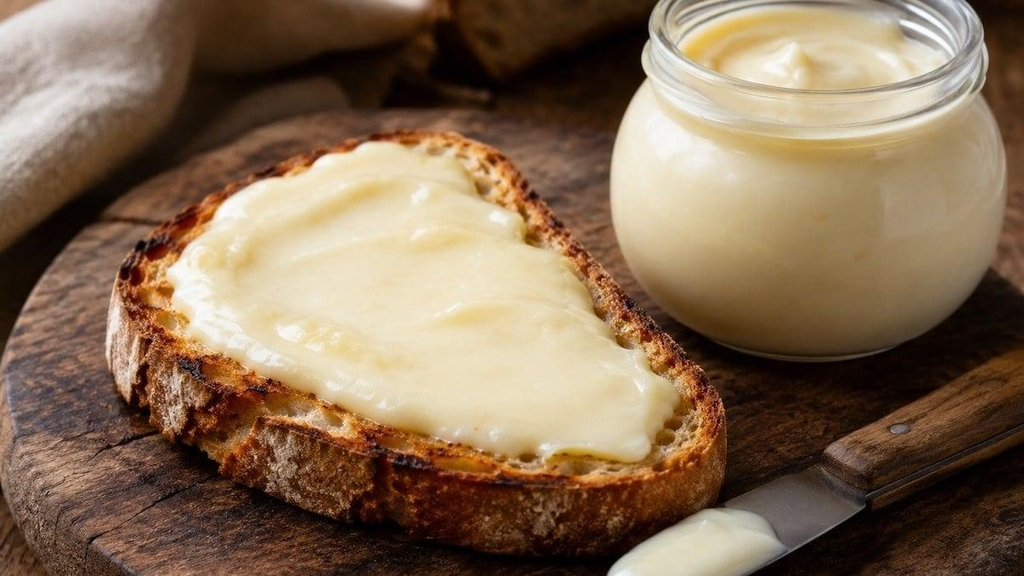
Alongside the France–Mexico culinary feature, CNN highlighted cancoillotte, a traditional cheese from the Franche-Comté region of eastern France.
Unlike firm, aged cheeses, cancoillotte has a semi-liquid or stringy consistency. It is made by melting metton, a skimmed-milk cheese, and combining it with water and a small quantity of butter.
The cheese is commonly spread on bread or served warm, fondue-style. Its finished fat content is below 15%, making it one of France’s lighter cheese varieties.
Although it has long been part of regional food culture, cancoillotte has attracted renewed attention from consumers interested in foods with a relatively high protein content and lower fat levels.
Its growing visibility also highlights how lesser-known regional specialities can find new audiences through changing food trends.
Food Tourism Offers a Different Way to Experience France and Mexico
For travellers, exploring a country’s cuisine can provide a deeper understanding of its geography, traditions and communities.
In France, food-focused itineraries can take visitors from the seafood restaurants of Marseille to the bakeries of Paris, the vineyards of Burgundy and the regional kitchens of southwestern France.
Mexico offers similarly varied experiences, including street-food tours in Mexico City, mole tastings in Puebla, seafood dishes along the Pacific and Yucatán’s traditional slow-cooked preparations.
The two culinary traditions are not directly comparable as a competition. Their ingredients, histories and regional identities are different, and both offer extensive opportunities for discovery.
The CNN collection provides a starting point for travellers interested in building food-led itineraries around local specialities rather than limiting their experiences to famous landmarks.
Ultimately, a country’s food is often one of the most memorable ways to understand its culture. Whether it is a bowl of bouillabaisse in Marseille or freshly prepared tacos in Mexico, local dishes can turn an ordinary holiday into a more immersive travel experience.