
Travelling to Europe has become more digital, with the European Union’s Entry/Exit System (EES) replacing traditional passport stamping with electronic records and biometric checks for eligible international visitors.
The system became fully operational on April 10, 2026, across 29 participating European countries, following a phased introduction that began on October 12, 2025.
For Indian travellers planning holidays, business trips or family visits to the Schengen region, the change means that passport details, travel movements and biometric information are recorded digitally when they cross participating countries’ external borders.
The system applies to non-EU nationals travelling for short stays, including visitors who require a Schengen visa and those who are visa-exempt. It does not replace visa requirements.
What Is the EU Entry/Exit System?
The Entry/Exit System is an automated digital border management platform designed to record when eligible non-EU nationals enter and leave participating European countries.
Previously, border officials manually stamped passports to record entry and exit dates. Under the new system, these details are stored electronically.
The system records:
- Personal details, including name, date of birth and nationality.
- Passport or other travel-document information.
- Facial images and applicable fingerprint data.
- Dates and locations of entry and exit.
- Records of refused entry, where applicable.
The system is designed to help authorities monitor the permitted duration of visitors’ stays, identify overstays and strengthen border security.
Which European Countries Have Introduced EES?
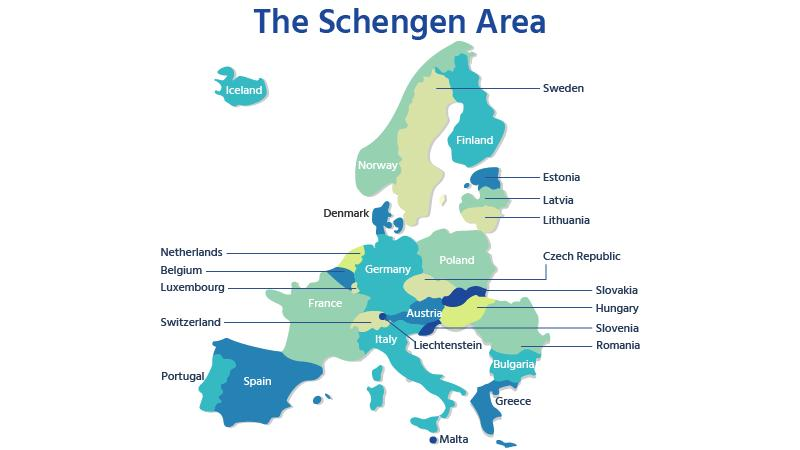
The EES operates across 29 European countries: 25 EU member states participating in the system and four associated countries.
| Participating countries |
|---|
| Austria, Belgium, Bulgaria, Croatia, Czechia |
| Denmark, Estonia, Finland, France, Germany |
| Greece, Hungary, Italy, Latvia, Liechtenstein |
| Lithuania, Luxembourg, Malta, Netherlands, Norway |
| Poland, Portugal, Romania, Slovakia, Slovenia |
| Spain, Sweden, Switzerland, Iceland |
Two EU member states, Ireland and Cyprus, are not part of the EES. Passport checks there continue under their existing arrangements.
Travellers should also understand that the system applies at the external borders of participating countries. It is not a requirement to complete a fresh EES registration every time they travel between participating Schengen countries during the same trip.
How Will the New Border Process Work?
When an eligible non-EU traveller first arrives at a participating external border, border officials will create a digital record.
The process generally involves scanning the passport, recording the required personal information and capturing a facial image. Fingerprints are also registered where applicable.
For subsequent crossings, the stored information can be retrieved and verified, instead of creating a completely new passenger record each time.
Biometric passport holders may be able to use self-service kiosks where these facilities are available. However, the final border decision remains with the relevant authorities.
The system is intended to make border checks more consistent while helping officials identify travellers who exceed their permitted stay.
Does the EES Apply to Indian Passport Holders?
Applies to short-stay visitors
Yes. Indian citizens travelling to participating European countries for short stays are covered by the EES, provided they do not fall under an exemption.
This includes Indian visitors travelling for:
- Tourism and holidays.
- Business meetings and conferences.
- Visiting friends and relatives.
- Other short-term visits of up to 90 days within any 180-day period.
Indian nationals generally require a Schengen short-stay visa for these visits. The EES does not replace that visa or change the permitted 90-days-in-180-days rule.
There is also an important biometric distinction: for travellers who require a short-stay visa, fingerprints are generally already collected during the visa application process. The EES records their facial image and links their travel movements to the digital system.
Children below 12 years of age are exempt from fingerprint collection, although their facial images are recorded.
Who Is Exempt from EES Registration?
Not every international traveller is required to register under the system.
The main exempt categories include:
- Citizens of EU countries and Iceland, Liechtenstein, Norway and Switzerland.
- Non-EU nationals holding qualifying long-stay visas or residence permits issued by participating countries.
- Certain family members of EU or associated-country citizens who hold the required residence documentation.
- Nationals of Andorra, Monaco and San Marino, and holders of Vatican City or Holy See passports.
Travellers holding an ordinary short-stay Schengen visa should not assume that they are exempt simply because they already completed a visa application.
Is Advance Registration Required Before Travelling?
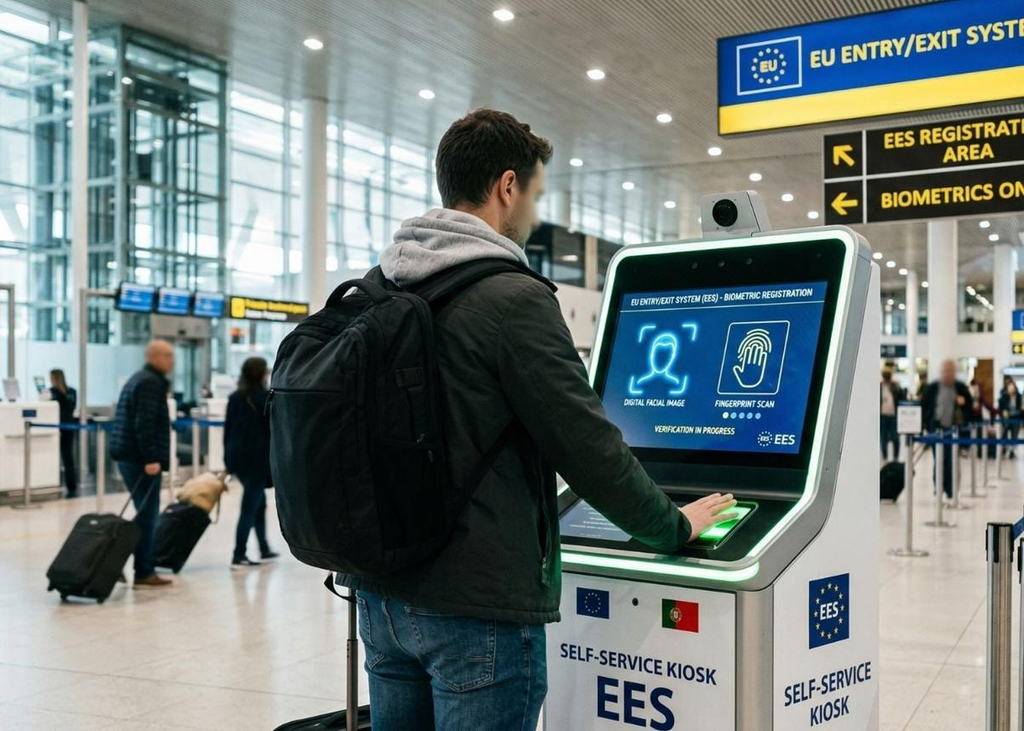
Travellers generally do not need to register separately before arriving at the airport. Initial EES registration takes place at the participating external border crossing point.
The EU has also introduced an optional Travel to Europe mobile application for eligible non-EU travellers holding biometric passports.
The app can allow users to submit passport details and a facial image before arriving at a participating border crossing. Information can be submitted within 72 hours of the intended border crossing.
However, app availability is limited and differs between countries. The latest published guidance identifies:
- Sweden: Supports passport data, facial image and an entry questionnaire.
- Portugal: Supports the entry questionnaire.
The application does not replace passport control or the final biometric checks. Travellers should confirm whether it is supported at their specific arrival or departure point before relying on it.
Will EES Cause Longer Waiting Times at European Airports?
One of the main concerns following the system’s introduction has been the possibility of longer queues at passport control.
During the initial rollout, airports had to adapt their infrastructure, train personnel and introduce biometric registration facilities.
Even after the system became fully operational in April 2026, airport and airline organisations continued to report delays at some busy European border checkpoints. Waiting times can vary considerably according to passenger volumes, staffing, technical availability and the airport.
Indian travellers connecting through major European hubs should therefore consider allowing additional time for border checks and onward connections.
A few practical precautions can help:
- Keep your passport and visa documents easily accessible.
- Follow instructions at automated registration kiosks and border counters.
- Allow additional time for immigration checks, particularly during busy travel periods.
- Check airline and airport guidance before departure.
- Do not assume that using the mobile app guarantees faster entry.
How EES Changes Travel to Europe
The Entry/Exit System represents a major change in how participating European countries record international visitor movements.
For travellers, the most visible difference is the replacement of manual passport stamps with digital records and biometric verification. For border authorities, the system provides a shared method of tracking eligible visitors’ entries, exits and permitted stays across participating countries.
The system does not introduce a new tourist visa or automatically make travel more difficult for Indian visitors. Instead, it changes the border-registration process that short-stay travellers must follow.
As digital border controls become more widely integrated into international travel, understanding the EES requirements before departure can help Indian tourists and business travellers prepare for a smoother arrival in Europe.