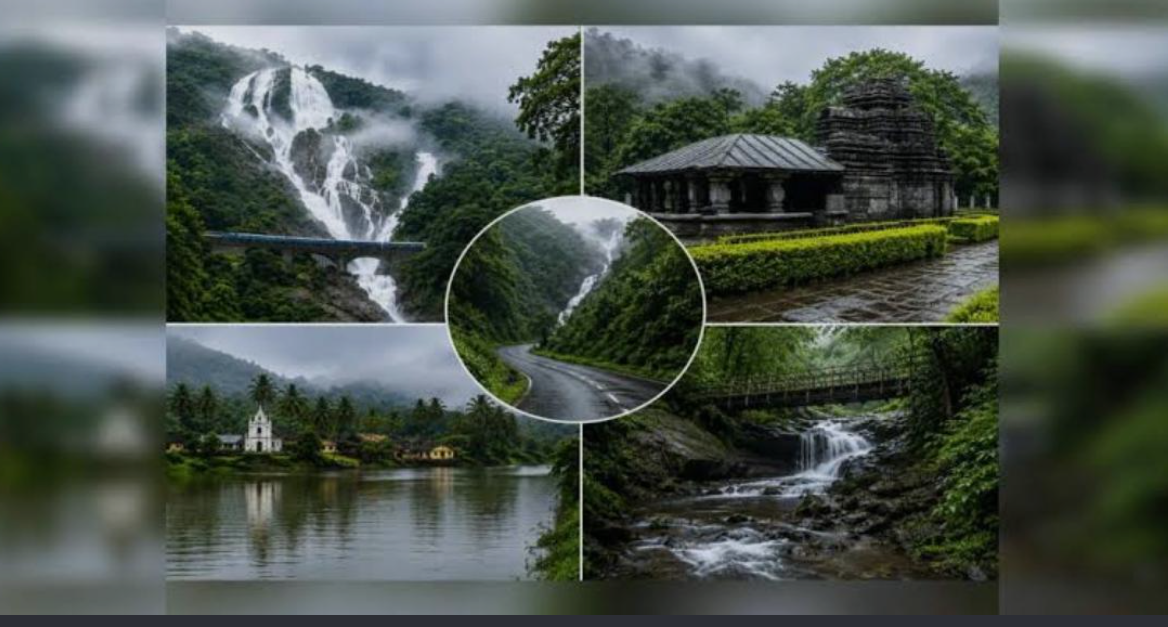
India’s tourism calendar is gradually moving beyond the traditional pattern of winter holidays, summer hill-station trips and monsoon months spent indoors. Travellers are increasingly choosing destinations according to experiences, shorter breaks, competitive prices and personal preferences rather than relying exclusively on conventional holiday seasons.
This shift is creating new opportunities for destinations that once experienced a sharp decline in visitor numbers outside peak periods. From Rajasthan’s heritage properties to Kerala’s rain-soaked landscapes and the mountains of Northeast India, off-season tourism is becoming an increasingly important part of the country’s travel economy.
The trend was highlighted by Prajakta Mandar Joshi, founder of Pune Women Solo Travellers, in an industry perspective published by ETTravelWorld on October 19, 2026. Her analysis points to changing traveller preferences, domestic tourism and improved connectivity as important drivers of this transition.
India’s Traditional Tourism Calendar Is Changing
For years, India’s domestic tourism industry followed a relatively predictable seasonal pattern. Winter was associated with holidays and heritage trips, summer with hill stations, and the monsoon with fewer travel bookings.
That pattern is becoming less rigid.
The growth of domestic tourism, remote working, improved transport connectivity and demand for experience-led holidays has encouraged more people to travel outside conventional peak periods.
Shorter holidays are also contributing to the change. Instead of planning one long annual vacation, travellers are increasingly taking three-to-five-day breaks around long weekends, favourable airfares and personal schedules. Often described as micro-cations, these trips allow people to explore destinations without committing to extended leave.
The shift is particularly visible during the monsoon, which is increasingly being treated as an opportunity to experience destinations differently rather than simply an inconvenient time to travel.
Rajasthan Sees Growing Interest Beyond Its Peak Season
Rajasthan offers an interesting example of changing travel patterns. Its traditional tourist season runs from October 1 to March 31, when the weather generally supports sightseeing and outdoor activities.
However, destinations across the state are also attracting domestic and international visitors outside this period, apart from the particularly hot months of May and June.
Several factors are contributing to the growing interest. Corporate gatherings, meetings, incentives, conferences and exhibitions (MICE), destination weddings and travellers seeking quieter experiences are creating additional demand.
For hotels and tourism businesses, off-season bookings can help maintain activity when conventional leisure travel slows down. Heritage properties and hospitality establishments can also appeal to visitors looking for more competitive prices and less crowded experiences.
Monsoon Tourism Gains Momentum Across India


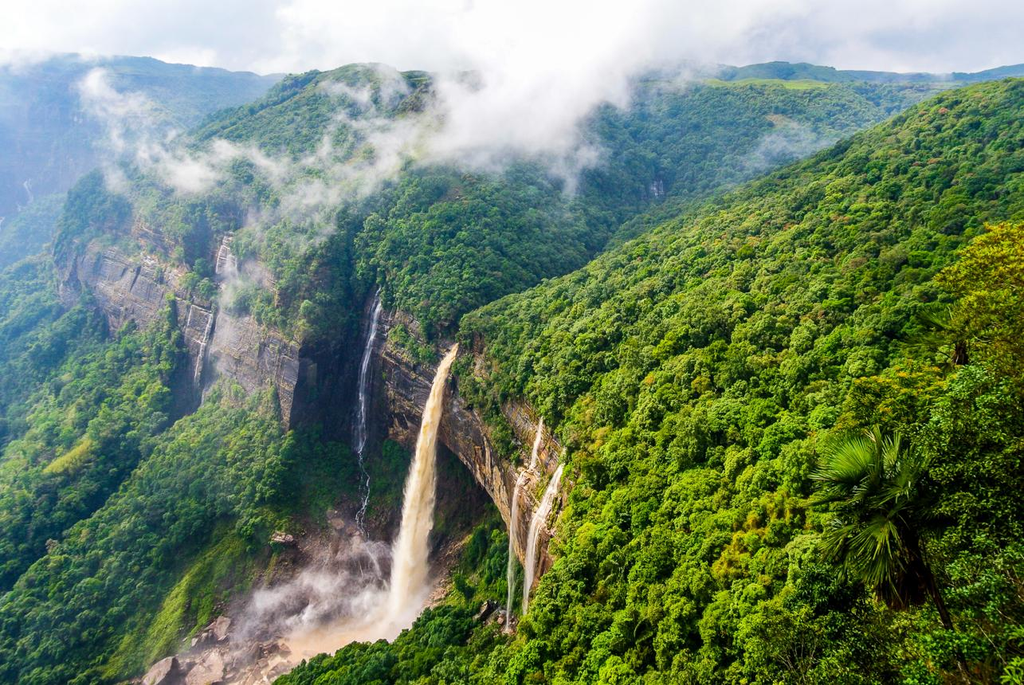
India’s monsoon season is emerging as an important travel window, particularly for nature-focused holidays.
The Western Ghats attract visitors with mist-covered hills, waterfalls, backwaters and rain-washed plantations. Popular destinations include:
- Munnar and Wayanad: Known for tea plantations, green valleys and waterfalls.
- Alleppey: Offers backwater experiences and a different perspective on Kerala’s landscape during the rains.
- Coorg: Attracts visitors with its coffee-growing regions, forests and plantation surroundings.
- Chikmagalur: Appeals to travellers seeking mountain scenery and plantation stays.
Demand is also spreading towards destinations such as Kullu-Manali, Ladakh and Spiti, where travellers are increasingly looking beyond traditional holiday periods.
The Northeast is another important part of this developing market. Meghalaya, Nagaland and Arunachal Pradesh attract visitors interested in landscapes, local cultures and nature-based experiences.
Industry data provides further evidence of this trend. Cleartrip’s 2026 PeekABoo Trends Tracker reported a 53.9% year-on-year increase in monsoon hotel bookings, alongside a 140% rise in bus bookings. These figures suggest that the monsoon is becoming a more significant travel period for Indian consumers.
Goa Is Building a Year-Round Tourism Identity
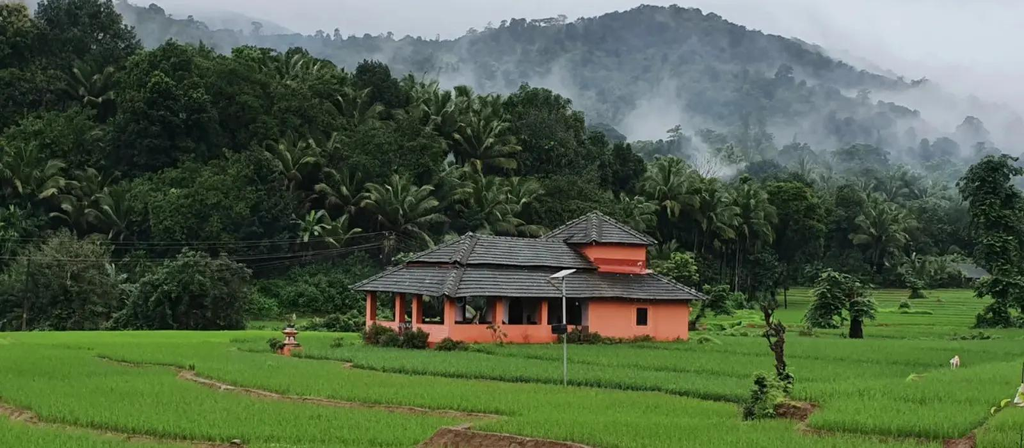
Goa has traditionally been associated with winter beach holidays, nightlife and its peak-season international visitor market. Its tourism identity, however, is gradually expanding beyond these associations.
During the monsoon, visitors are exploring the state’s hinterland, heritage sites, local cuisine, wellness experiences and quieter landscapes. This creates opportunities for accommodation providers and businesses that offer experiences beyond conventional beach tourism.
Improved connectivity, including the development of Manohar International Airport at Mopa, has also strengthened access to the region.
The state’s overall visitor numbers illustrate the scale of its tourism market. Official figures recorded approximately 1.08 crore tourist arrivals in 2025, comprising around 1.03 crore domestic visitors and 5.18 lakh international visitors.
While annual arrivals do not independently establish the growth of monsoon tourism, the figures highlight the importance of India’s domestic travel market in supporting destinations throughout the year.
Affordable Luxury and Fewer Crowds Influence Travel Decisions
One of the strongest attractions of off-season travel is the possibility of experiencing destinations at more competitive prices.
Hotels and resorts may offer better rates during periods of lower demand, making premium accommodation more accessible to travellers who would otherwise find it expensive during peak season.
For corporate and MICE travel, pricing is particularly important. Organisations can consider destinations and venues that may be difficult to book during busy travel months.
Travellers also value the possibility of experiencing popular locations with fewer crowds. This can create opportunities for more relaxed sightseeing, closer engagement with local communities and a more personalised holiday.
However, lower prices do not automatically make every off-season trip suitable. Weather conditions, transport availability, seasonal closures and local safety advisories remain important considerations, particularly during the monsoon.
How Off-Season Tourism Can Benefit Local Economies
The expansion of tourism beyond peak periods has implications beyond hotel occupancy.
A more evenly distributed flow of visitors can create more consistent opportunities for people working across the tourism value chain.
Local guides, artisans, restaurants, transport operators, homestays and rural businesses can benefit when destinations attract visitors throughout a longer period of the year.
It can also help tourism infrastructure remain productive instead of being heavily used during a few peak months and underutilised during the rest of the year.
Another potential benefit is the reduction of pressure caused by concentrating large visitor numbers within short periods. Spreading demand across different seasons and locations may help destinations manage congestion and visitor activity more effectively, provided that tourism growth is supported by appropriate infrastructure and environmental safeguards.
A More Flexible Future for Indian Tourism
India’s emerging off-season travel market reflects a broader change in how people plan holidays. Domestic tourism, flexible working arrangements, better connectivity and demand for shorter experiences are encouraging travellers to consider destinations at different times of the year.
For tourism businesses, the opportunity lies in developing experiences that remain attractive beyond traditional peak periods. For destinations, it means building a stronger identity around local culture, food, nature and heritage rather than relying on a single season.
The shift does not mean that traditional holiday periods are becoming irrelevant. Instead, India’s tourism economy is gradually developing a longer and more flexible calendar.
As more travellers embrace the idea of exploring destinations outside peak season, the quieter months could become an increasingly valuable part of India’s tourism industry.