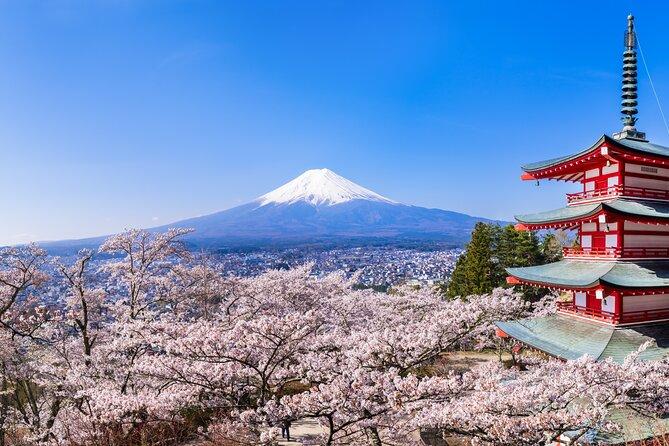
Japan continues to attract Indian travellers with its blend of traditional culture, modern cities, scenic landscapes and seasonal experiences. For Indian passport holders planning a holiday, understanding the visa requirements, application process, documentation and fees is an essential first step.
Indian citizens generally need to obtain a Japanese visa before travelling. Japan offers an electronic visa option for eligible short-term tourism applications, while other travel purposes and visa categories follow the applicable procedures through authorised application channels.
Do Indian Travellers Need a Visa for Japan?
Yes. Indian ordinary passport holders need a valid visa before travelling to Japan for tourism. Visa-on-arrival is not available for Indian citizens.
Travellers should identify the appropriate visa category before applying, as requirements depend on the purpose of the visit, intended duration of stay and whether the application is for single or multiple entry.
For a typical holiday, the relevant option is a short-term tourist visa. Visitors intending to study, work or undertake other activities must follow the requirements for their specific purpose of travel.
Types of Japan Visas Available to Indian Travellers
Indian applicants can explore different visa routes depending on their travel plans.
Japan eVISA for Tourism
The Japan eVISA system provides an electronic visa option for eligible applicants travelling for short-term tourism. It covers single-entry visits of up to 90 days, subject to the visa granted.
Applicants residing in India generally submit their applications through the designated visa application process. If approved, travellers receive a digital Visa Issuance Notice.
An important requirement is that the notice must be displayed on a suitable mobile device with an internet connection when requested at the airport. A printed copy, PDF file or screenshot is not accepted as a substitute for displaying the required notice.
Traditional Sticker Visa
The conventional visa route remains relevant for applicants whose travel purposes or visa categories are not covered by the eVISA system.
Depending on eligibility, this route may apply to multiple-entry tourism, business, study and other categories. Applicants should check the current documentation and submission requirements for their specific visa type.
Transit and Other Visa Categories
Travellers passing through Japan should check whether their itinerary and immigration arrangements require a transit visa or another authorisation. Requirements depend on the circumstances of the journey.
Indian applicants should verify the latest rules before making assumptions about visa requirements for connecting flights.
Japan Tourist Visa Requirements and Documents
Preparing accurate documentation is an important part of the application process. The exact checklist can vary according to the applicant’s circumstances and the relevant Japanese diplomatic mission.
Commonly requested documents for a tourist visa include:
- A valid Indian passport.
- A completed visa application form.
- A recent photograph meeting the prescribed specifications.
- Recent bank statements and supporting evidence of financial capacity.
- A proposed travel itinerary, including intended dates and destinations.
- Flight itinerary and accommodation details, as required.
- Employment, income or educational documents, where applicable.
- A cover letter explaining the purpose and planned duration of the visit, if required.
Applicants should ensure that all documents are consistent, legible and up to date. Additional documents may be requested during the assessment.
It is advisable to consult the latest checklist for the application centre responsible for the applicant’s place of residence before submitting any paperwork.
Japan Visa Fees for Indian Citizens in 2026
Visa fees are an important part of planning a trip to Japan. For Indian nationals, the government visa fee is currently ₹500 for single-entry and multiple-entry visas under the fee schedule effective from July 1, 2026.
| Visa detail | Fee or requirement |
|---|---|
| Single-entry visa | ₹500 |
| Multiple-entry visa | ₹500 |
| Application service charge | Additional VFS service fee |
| Transit visa | Transit visa fee abolished under the current Indian fee schedule |
The final amount payable can depend on the application service charges and any additional services selected. Applicants should confirm the applicable charges before submitting their documents.
How to Apply for a Japan Visa from India
Step 1: Choose the appropriate visa
Identify whether you need a single-entry tourist visa, multiple-entry visa or another category based on your travel purpose.
Step 2: Prepare your documents
Complete the application form and assemble the required passport, photograph, financial documents and travel details.
Step 3: Submit your application
Follow the applicable process through the designated Japan Visa Application Centre operated by VFS Global in India.
Step 4: Allow time for processing
Processing times vary by location and individual application. Apply well in advance and avoid relying on last-minute approval.
Step 5: Check your visa before departure
Review the visa details, permitted stay and entry conditions. If you receive an eVISA, understand how to display the Visa Issuance Notice correctly at the airport.
How Long Does Japan Visa Processing Take?
Processing time depends on the application centre, the completeness of the documents and whether additional examination is necessary.
The standard processing period can be around five working days after an application is accepted, but this is not guaranteed. Applications submitted through centres in other cities may take longer, and high demand can cause further delays.
Travellers should consider applying several weeks before departure. Applying early is especially important during popular travel periods, including the cherry blossom season in spring and the autumn foliage season.
Best Time to Apply for a Japan Tourist Visa
Japan attracts visitors throughout the year, but certain seasons experience particularly strong demand.
- March to May: Cherry blossoms, spring weather and popular sightseeing destinations.
- June to August: Summer festivals, mountain excursions and regional cultural experiences.
- September to November: Autumn colours, scenic landscapes and seasonal food experiences.
- December to February: Winter scenery, snow activities and hot-spring retreats.
Travellers should plan their visa applications around their intended departure dates, leaving sufficient time for processing and any requests for additional documents.
Important Tips for Indian Travellers
Before applying for a Japanese visa, keep the following points in mind:
- Apply through the authorised application channel relevant to your residence.
- Ensure that your travel itinerary and supporting documents are accurate and consistent.
- Confirm current visa fees and service charges before payment.
- Do not assume that submitting an application guarantees approval.
- Avoid making non-refundable travel arrangements based solely on an expected visa decision.
- Use official application channels and be cautious of fraudulent websites or requests for additional payments.
Visa requirements can change, so the latest instructions should always be checked before applying.
Final Thoughts
Japan offers Indian travellers a rich mix of cultural heritage, contemporary attractions, culinary experiences and natural beauty. Understanding the visa process in advance can make trip planning considerably smoother.
With the right visa category, properly prepared documents and sufficient processing time, travellers can approach their Japan holiday plans with greater confidence. The key is to confirm the latest requirements before submitting an application and to ensure that all travel arrangements align with the visa granted.