Jaipur, Rajasthan’s historic capital, is set to mark its 300th anniversary in 2027, giving travellers another reason to explore the city’s royal architecture, traditional crafts and cultural attractions. The Pink City has also been included in National Geographic’s Best of the World 2027 list, which highlights 25 destinations across six continents worth visiting in the year ahead.
Founded in 1727 by Maharaja Sawai Jai Singh II, Jaipur is the only Indian destination featured in the 2027 selection. Its inclusion highlights the city’s architectural heritage and its continuing role as a centre for art, craftsmanship and cultural events.
Jaipur’s 300-Year History
Jaipur was established in 1727 by Maharaja Sawai Jai Singh II, who shifted his capital from Amber to a newly planned city. Its organised street layout and designated commercial areas distinguished it from many older Indian cities that developed more organically.
The city later became known as the Pink City. In 1876, its buildings were painted pink to welcome the Prince of Wales, Albert Edward, during his visit. The colour became closely associated with Jaipur’s identity and remains a defining feature of its historic quarters.
Why National Geographic Selected Jaipur
National Geographic’s Best of the World list highlights destinations offering distinctive experiences in the coming year. Jaipur’s selection is linked to its 300th anniversary, historic palaces, traditional crafts and the 20th edition of the Jaipur Literature Festival.
The annual selection features destinations across different regions, with a focus on culture, heritage, nature and experiences that give travellers a reason to visit during the year ahead.
Historic Attractions to Explore in Jaipur

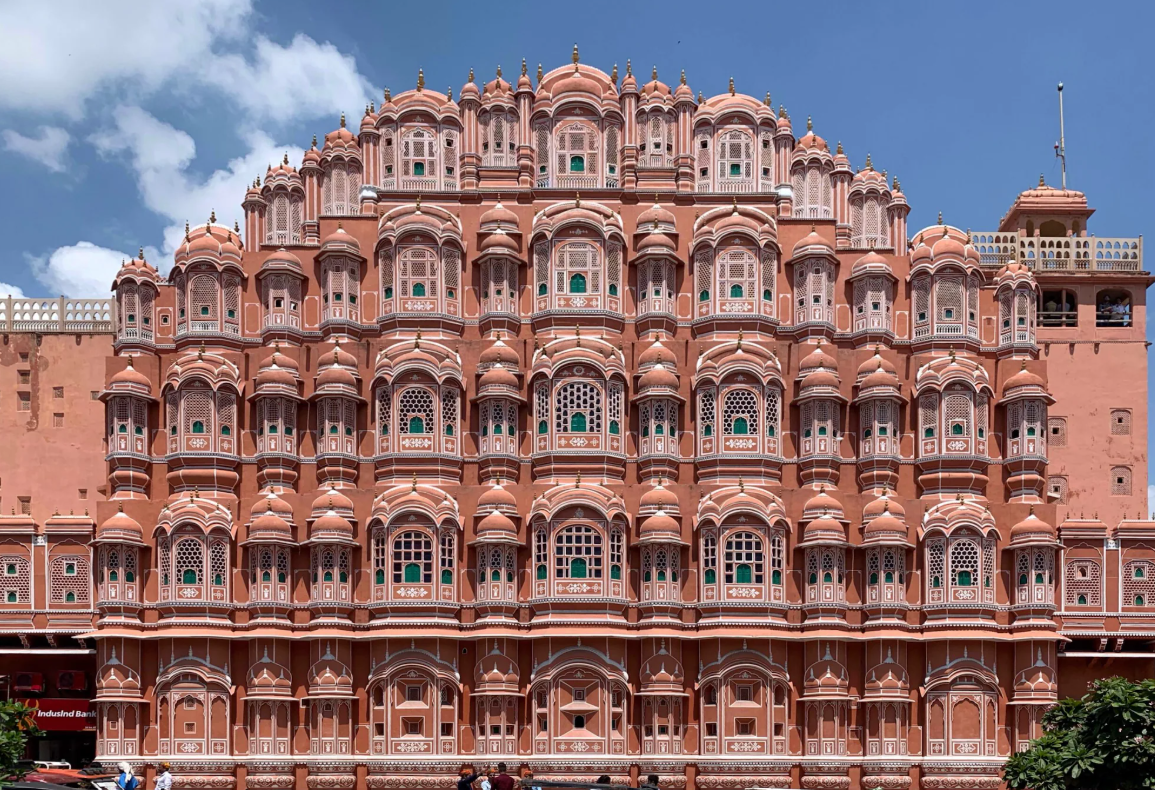
Hawa Mahal: Recognised for its distinctive five-storey façade and numerous small windows, the palace was designed to allow royal women to observe street life while remaining out of public view.
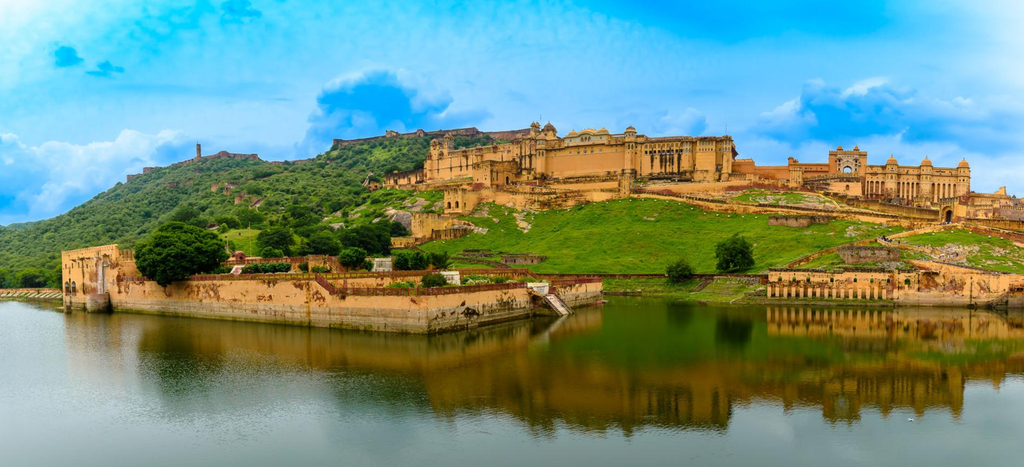
Amber Fort: Located on a hill outside the city centre, this historic fort is known for its courtyards, detailed architecture and the celebrated Sheesh Mahal.
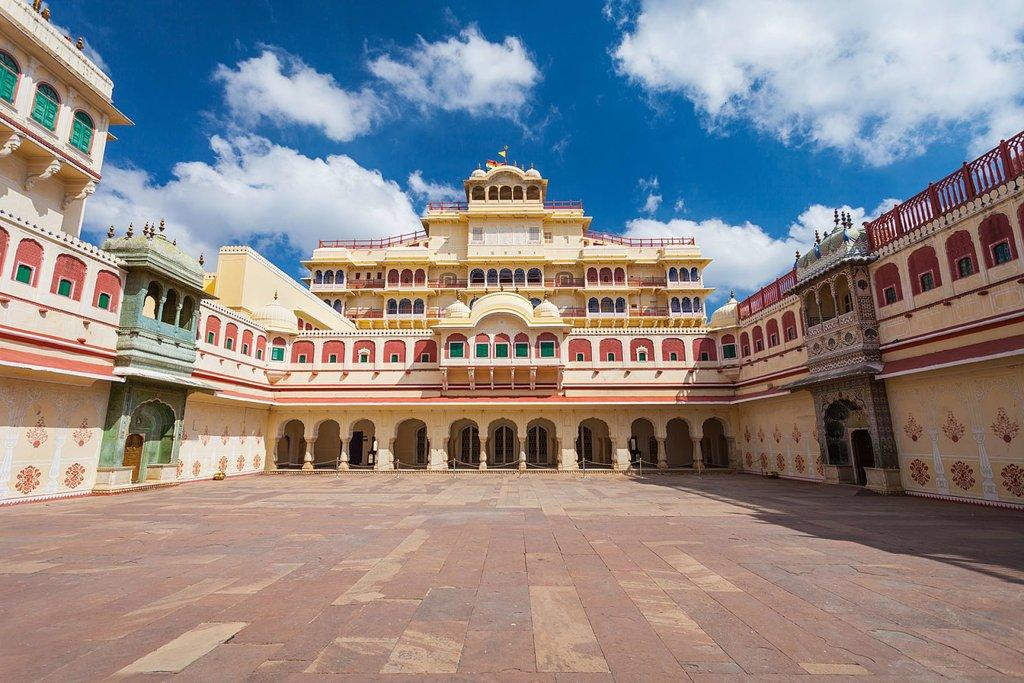
City Palace: The palace complex houses a museum with collections of royal garments, textiles, historical objects and weapons, offering an insight into Jaipur’s royal past.
Jantar Mantar: A UNESCO World Heritage Site, this astronomical observatory contains large instruments built to measure time and track celestial movements.
A Living Centre for Traditional Crafts
Jaipur’s appeal extends beyond its palaces and forts. The city has a long association with traditional craftsmanship, including blue pottery, block printing, jewellery making, gemstone cutting and meenakari, the art of decorating metal with colourful enamel.
Visitors can explore these traditions in the city’s historic markets and specialist workshops.
- Johari Bazaar: Known for jewellery, gemstones and traditional designs.
- Bapu Bazaar: Popular for textiles, footwear, handicrafts and souvenirs.
- Sanganer: Recognised for its hand-block printing and textile traditions.
- Anokhi Museum of Hand Printing: Offers an introduction to the history and techniques of block-printed textiles.
These craft traditions remain an important part of Jaipur’s cultural identity and provide visitors with opportunities to discover locally made products.
Jaipur Literature Festival Returns for Its 20th Edition
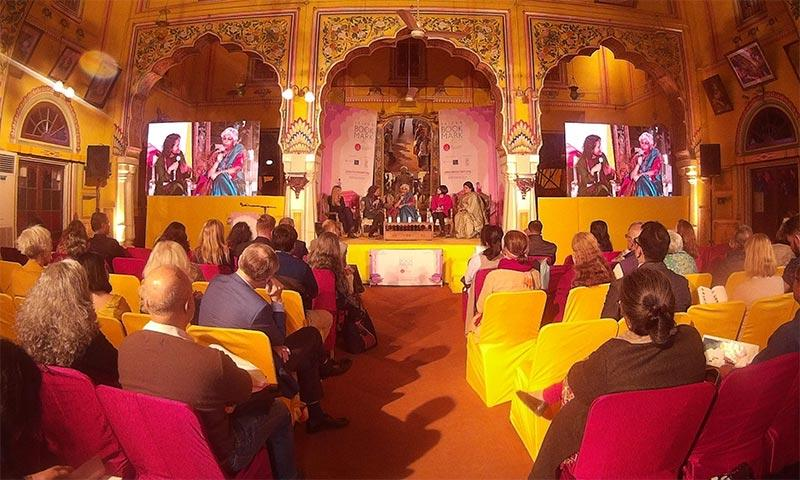
One of the major cultural events planned for the anniversary year is the Jaipur Literature Festival, which will hold its 20th edition from January 14 to 18, 2027.
The festival brings together writers, journalists, historians, academics and readers from India and overseas. Its programme typically features literary discussions, book launches, readings and conversations on subjects ranging from history and politics to science and contemporary culture.
For travellers interested in combining heritage sightseeing with cultural experiences, the festival offers an additional reason to plan a January visit.
Planning a Jaipur Visit in 2027
Travellers considering a trip during the city’s anniversary year can explore Jaipur through a combination of historic attractions, markets, museums and cultural events.
The winter months are generally popular for sightseeing, while visitors planning around the Literature Festival should arrange accommodation early. Those interested in traditional crafts can also consider guided workshops and visits to artisan neighbourhoods.
Jaipur’s 300th anniversary provides an opportunity to look beyond its familiar monuments and discover the traditions, people and creative communities that continue to shape the city.