
Kashmir transforms into a landscape of snow-covered mountains, frozen streams, pine forests and misty valleys when winter arrives. While Gulmarg remains one of India’s best-known destinations for snowfall and winter sports, the Valley offers plenty of other places worth exploring, from traditional houseboats on Dal Lake to quieter mountain settlements and historic Mughal gardens.
For travellers planning a holiday between November 2026 and February 2027, destinations such as Pahalgam, Sonamarg, Aru Valley, Lolab and Yusmarg offer different ways to experience the region.
Some are suitable for winter excursions, while others require careful planning because heavy snowfall can affect road connectivity. Here is a guide to 11 destinations, including their highlights, accommodation options and practical travel considerations.
1. Gulmarg: Kashmir’s Winter Capital
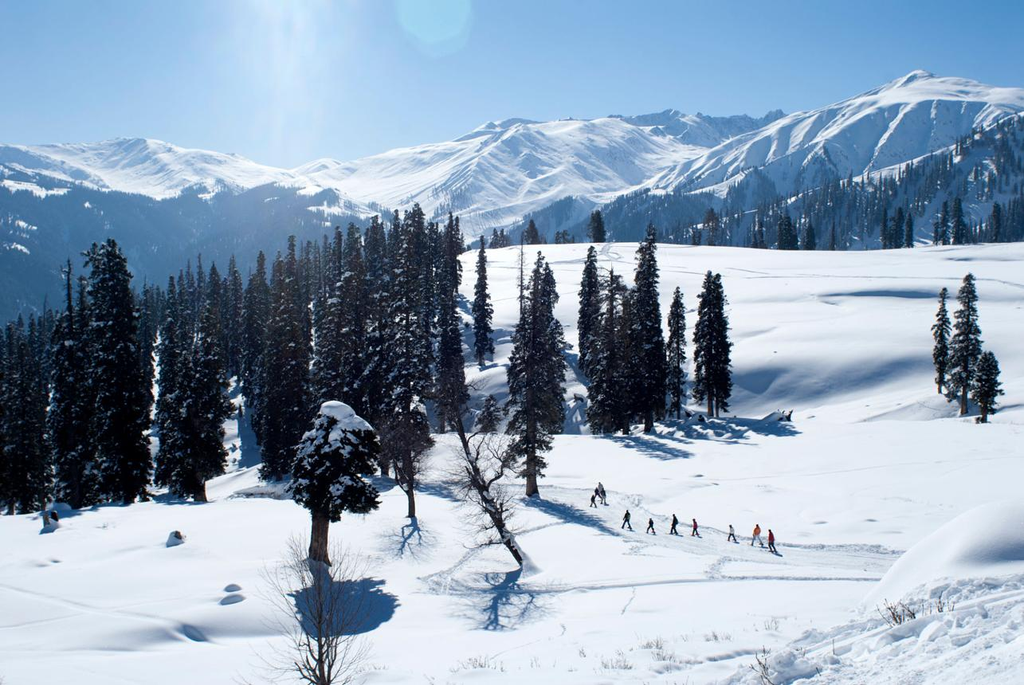
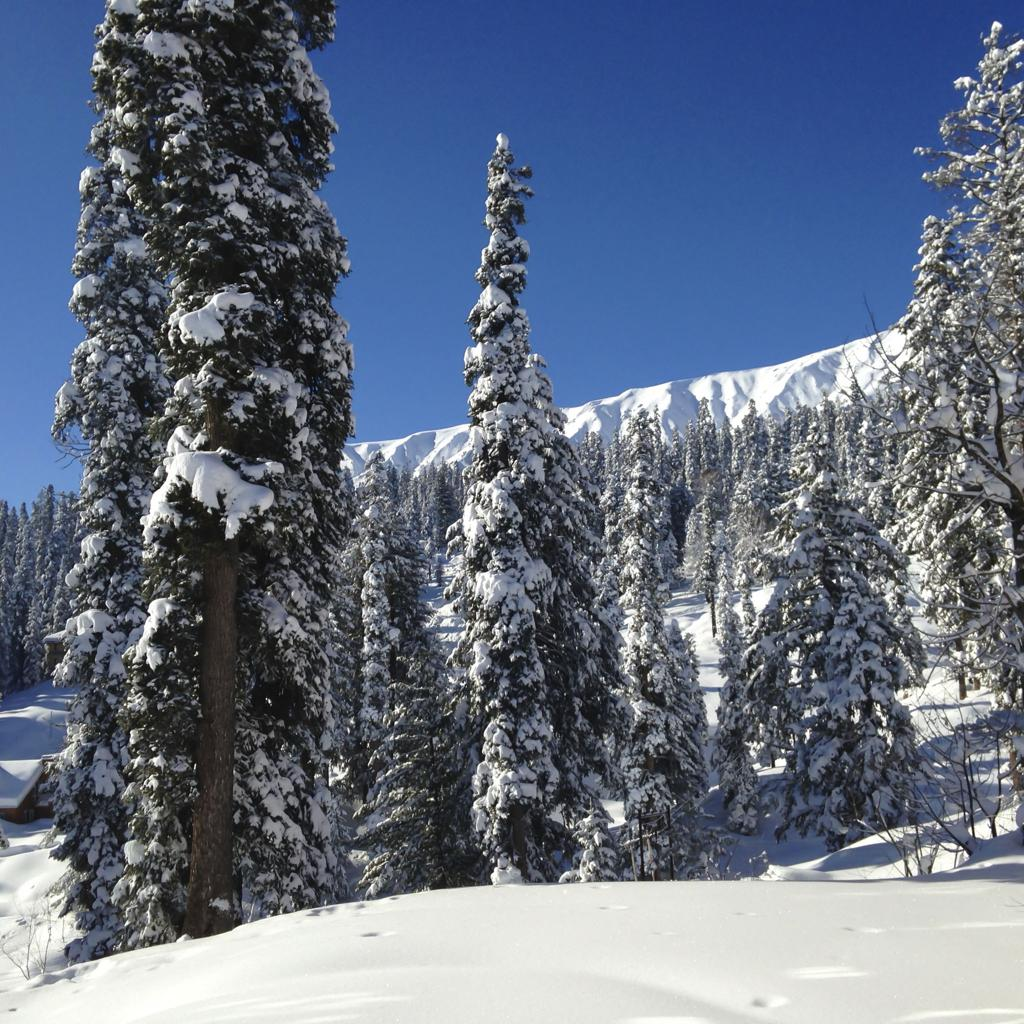
Located approximately 51 kilometres from Srinagar, Gulmarg is a favourite destination for travellers looking for snowfall, mountain scenery and winter sports.
Its expansive meadow, surrounded by coniferous forests and Himalayan peaks, becomes a popular setting for skiing and snowboarding during winter. Beginners can take lessons from professional instructors, while experienced skiers can explore more challenging slopes.
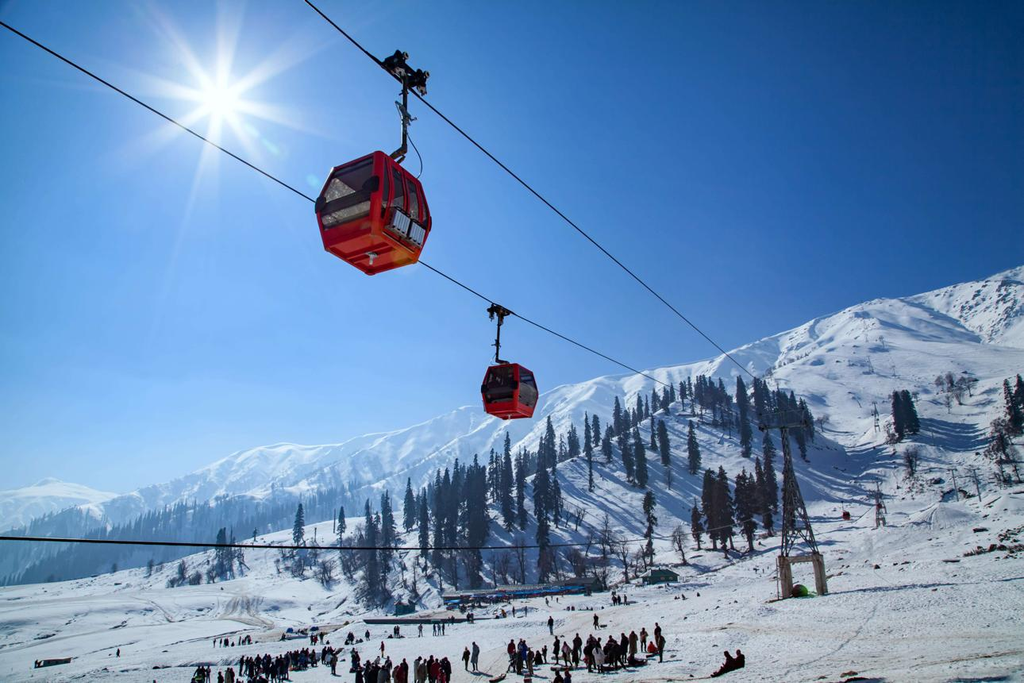
The Gulmarg Gondola is another major attraction. Its two-phase cable car connects visitors to Kongdoori and the higher reaches of Apharwat, with the second phase reaching approximately 3,980 metres above sea level.
Even visitors who do not intend to ski can enjoy the cable-car experience and the views of the snow-covered mountains.
Where to stay: Gulmarg offers luxury resorts, hotels and smaller guesthouses. Tangmarg, on the approach to Gulmarg, provides another accommodation option. Before booking, confirm heating, hot water, electricity backup and transport availability.
How to reach: Gulmarg is approximately 51 kilometres from Srinagar and normally takes around two hours by road. During heavy snowfall, traffic restrictions and snow-related vehicle requirements may affect access.
Best time: December to March, with January and February generally offering better chances of substantial snowfall.
2. Pahalgam and Aru Valley: A Winter Escape into the Mountains
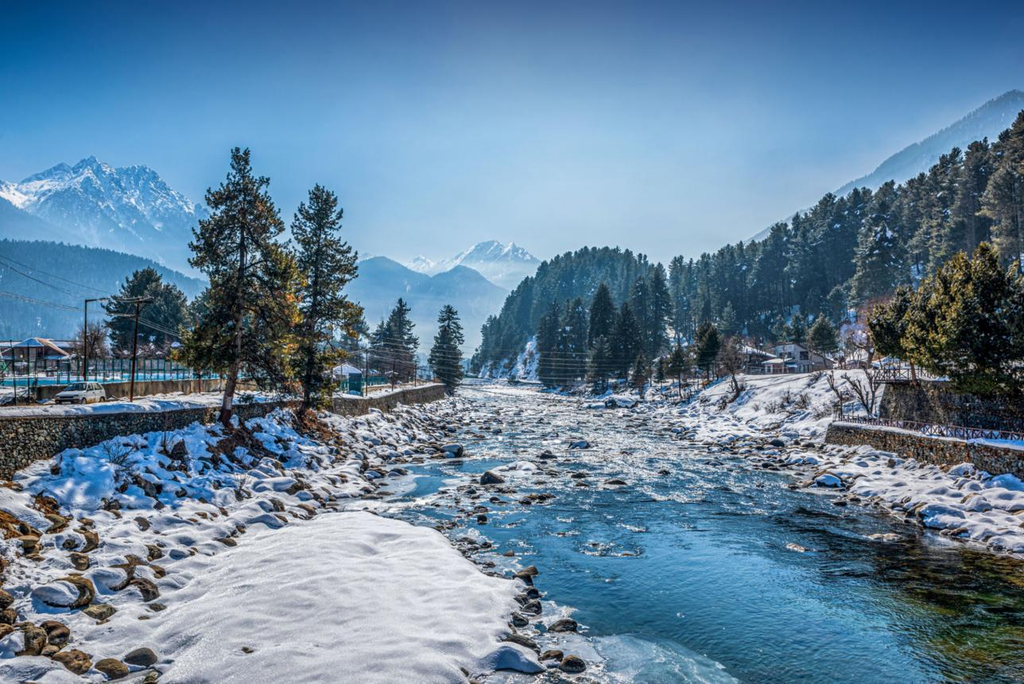
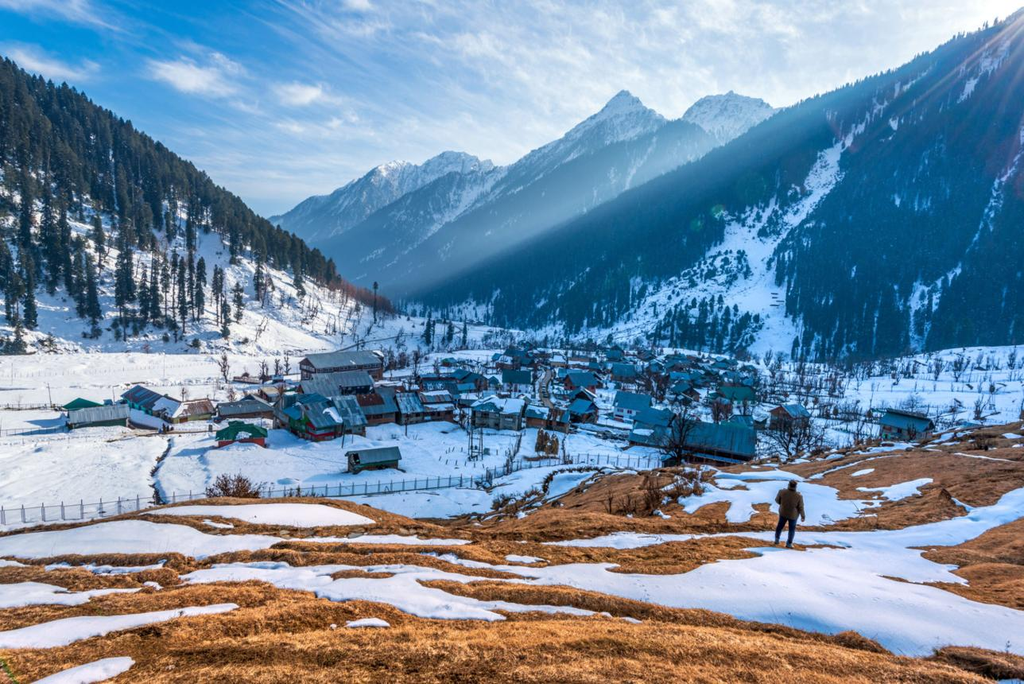
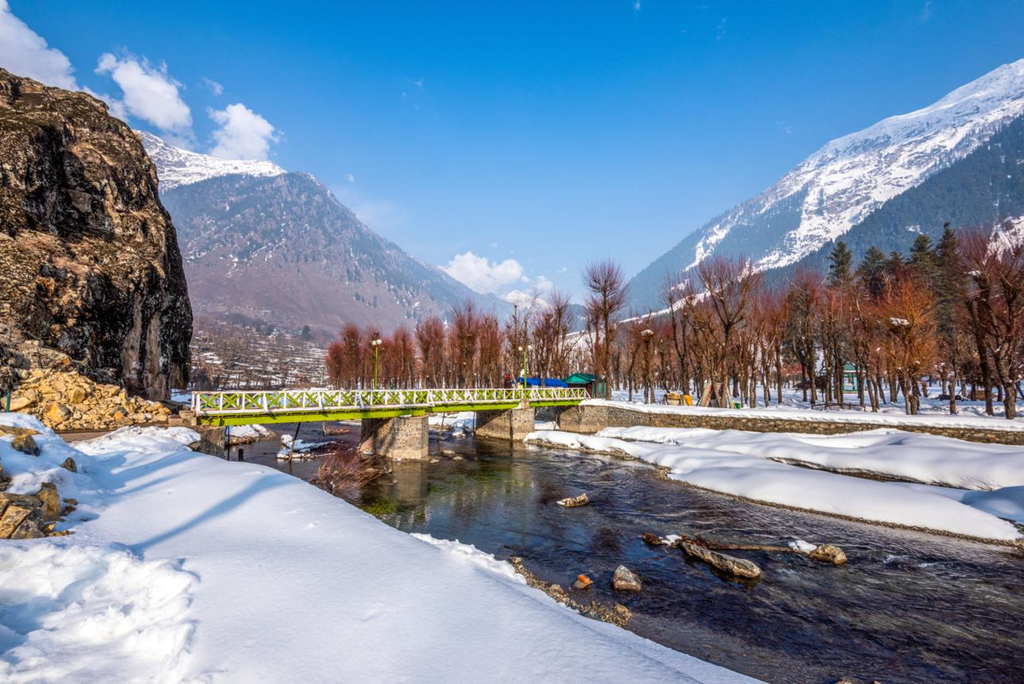
Pahalgam offers a different experience from Gulmarg, with the Lidder River, mountain scenery and evergreen forests creating a peaceful setting for a winter holiday.
However, the surrounding areas deserve as much attention as the main town.
Approximately 12 kilometres from Pahalgam, Aru Valley is a mountain settlement surrounded by forests, streams and snow-covered slopes. Its traditional wooden houses and expansive views make it appealing to visitors looking for a quieter experience.
Aru is also the starting point for popular trekking routes such as Tarsar-Marsar and Kolahoi Glacier during the trekking season. In winter, the focus shifts towards the village landscape and snow-covered surroundings rather than high-altitude trekking.
Betaab Valley can also be included in a Pahalgam itinerary, subject to road conditions and local permissions.
Where to stay: Pahalgam has hotels, resorts and guesthouses across different price categories. Accommodation is also available around Aru, although winter operations should be confirmed before booking.
How to reach: Pahalgam is approximately 90–100 kilometres from Srinagar, normally taking around two and a half to three hours by road. Aru is another 12 kilometres from Pahalgam.
3. Sonamarg: Explore the Meadow of Gold
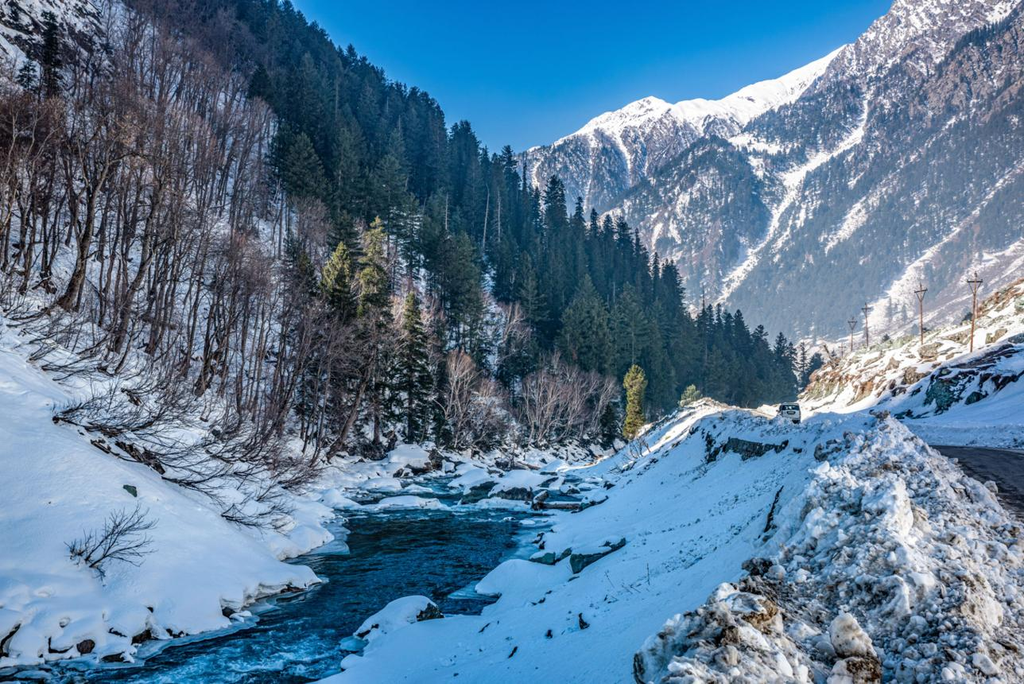
Known as the Meadow of Gold, Sonamarg is surrounded by towering mountain peaks, snow-covered meadows and the Sindh River.
Located approximately 80–90 kilometres from Srinagar, it was traditionally considered more of a summer destination because winter snowfall frequently disrupted road access.
The opening of the Z-Morh Tunnel in January 2025 improved all-weather connectivity between Srinagar and Sonamarg, creating additional opportunities for winter tourism.
Visitors can explore accessible areas around the tourist settlement, enjoy mountain views and photograph the snow-covered landscape.
However, the tunnel does not guarantee uninterrupted access during every snowfall. Weather conditions, traffic restrictions and local administrative decisions can still affect travel.
The onward route towards Zoji La and Ladakh should also be distinguished from the road access to Sonamarg itself.
Where to stay: Sonamarg has hotels and mountain-facing accommodation. Confirm winter operating arrangements, including room heating, hot water, meals and electricity backup.
How to reach: Sonamarg is approximately 80–90 kilometres from Srinagar and generally takes two and a half to three hours by road, depending on weather and traffic.
4. Srinagar: Stay in a Traditional Kashmiri Houseboat
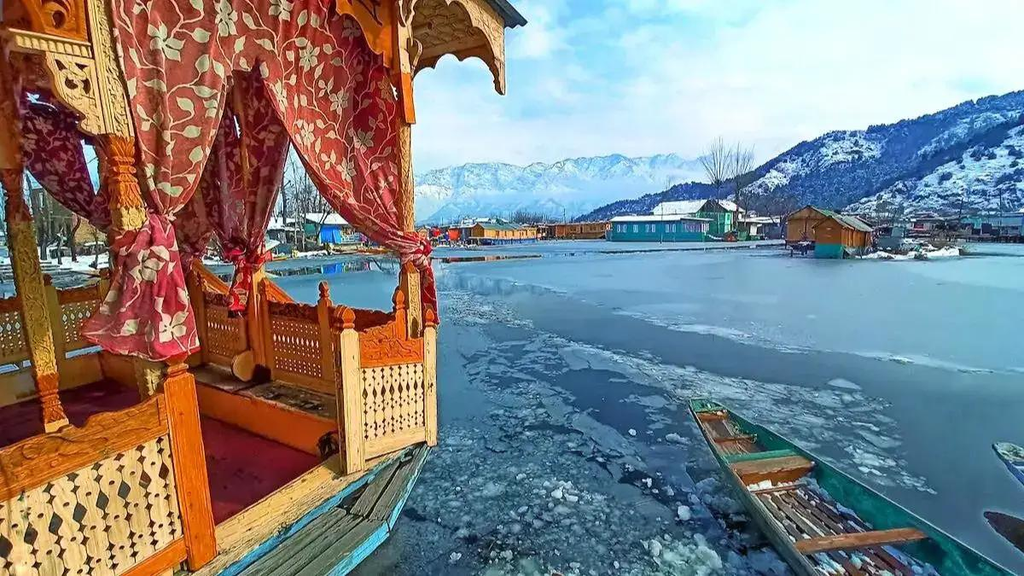

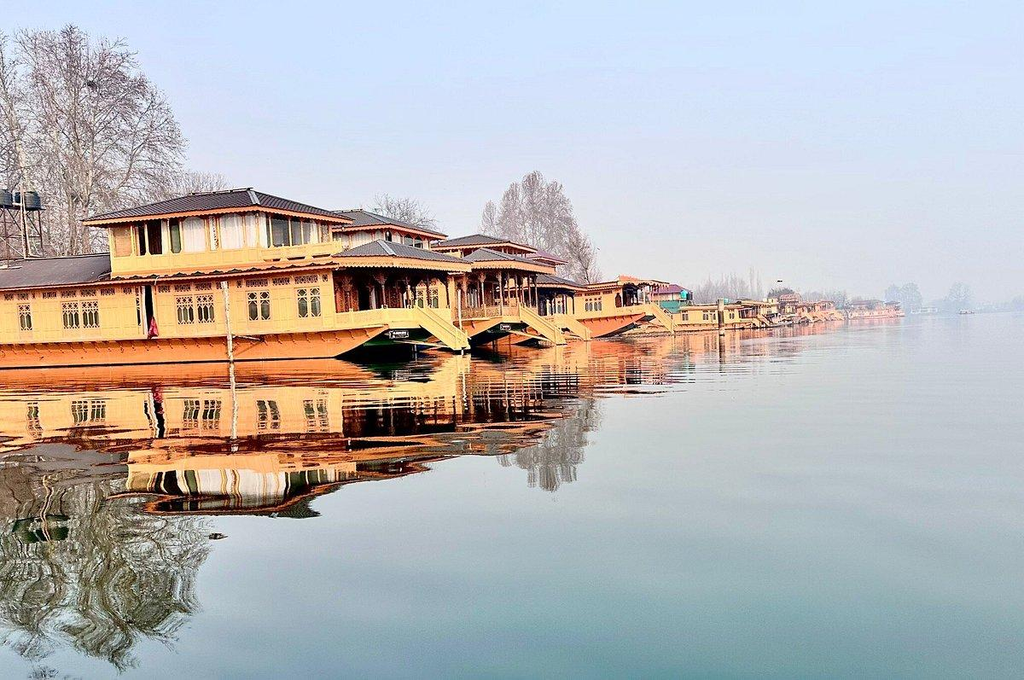
No Kashmir winter itinerary feels complete without spending time in Srinagar. One of the city’s most distinctive experiences is staying aboard a traditional Kashmiri houseboat.
Dal Lake and Nigeen Lake are known for their wooden houseboats, many featuring intricate carvings, traditional interiors and beautifully decorated living spaces.
A winter stay offers a different perspective on the lakes. Visitors can watch shikaras move across the water, enjoy breakfast overlooking the surrounding mountains and experience the quieter atmosphere of the city during the colder months.
Other experiences include exploring the old city, visiting Mughal gardens and sampling traditional Kashmiri food.
For a more relaxed setting, Nigeen Lake is another accommodation option away from some of the busier parts of Dal Lake.
Where to stay: Houseboats are available on both Dal Lake and Nigeen Lake. Boulevard Road and Dalgate are convenient areas for visitors who prefer conventional hotels.
Before booking a houseboat, confirm room heating, hot water, electricity backup, meals and transport arrangements between the road and the property.
5. Lolab Valley: A Quieter Corner of North Kashmir
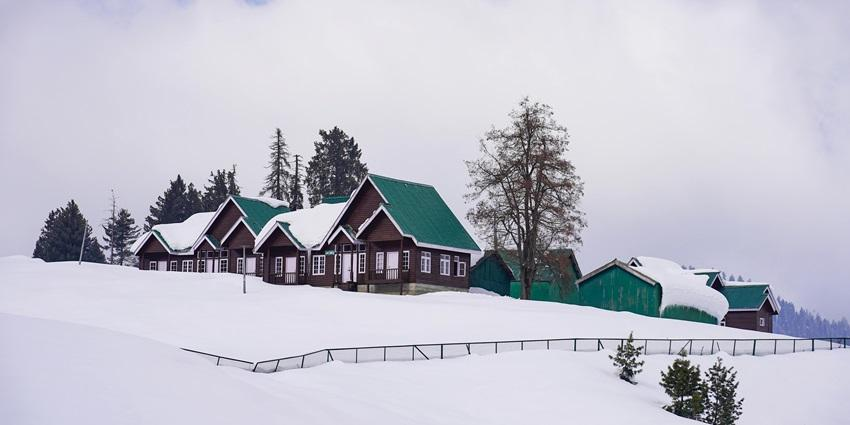
For travellers looking beyond established tourist resorts, Lolab Valley in Kupwara district offers a different experience.
Located approximately 114 kilometres from Srinagar, the valley is known for forests, orchards, traditional villages and natural streams. It extends for nearly 25 kilometres, with the Lalkul stream passing through the landscape.
Villages such as Sogam and Chandigam provide an opportunity to experience rural Kashmir, while the surrounding forests offer attractive settings for photography and nature excursions.
The region is also associated with the Satbaran, or Seven Doors, site and a cave in the Madmadav forests. These places may interest visitors exploring the area’s local history and heritage.
During winter, snowfall can transform the valley’s forests and hills. However, transport and accommodation options are more limited than in Gulmarg or Pahalgam.
Where to stay: Visitors can look for locally operated guesthouses and homestays. Kupwara town is another practical base for exploring the surrounding area.
How to reach: The journey from Srinagar to the Kupwara-Lolab area is approximately 114 kilometres and generally takes around four hours in normal conditions. Winter road accessibility should be checked before setting out.
6. Yusmarg: For Peaceful Mountain Landscapes
Situated in Budgam district, Yusmarg is known for its open meadows, pine forests and views of the Pir Panjal mountain range.
Located approximately 53 kilometres from Srinagar, it offers a quieter alternative to some of Kashmir’s more established tourist destinations.
The Doodh Ganga River adds to its natural appeal, while nearby Charar-e-Sharief provides an opportunity to explore an important Sufi heritage destination associated with Sheikh Noor-ud-Din Noorani.
During winter, snow can cover the meadows and surrounding forests, creating attractive scenery for photography and walks when access permits.
However, heavy snowfall can temporarily close the approach road, making Yusmarg inaccessible.
Where to stay: Accommodation options are limited compared with Gulmarg and Pahalgam. A day excursion from Srinagar is generally more practical unless a local property confirms winter operations.
How to reach: The journey from Srinagar passes through Charar-e-Sharief and normally takes around two hours by road, subject to weather conditions.
7. Aharbal: Discover Kashmir’s Dramatic Waterfall
Located in Kulgam district, Aharbal is known for a spectacular waterfall formed by the Veshav River as it descends through a rocky gorge.
The waterfall drops approximately 25 metres, surrounded by rugged mountain terrain and forested landscapes.
Unlike Gulmarg’s snowy meadows or Pahalgam’s riverside setting, Aharbal offers a different natural experience centred on the force and sound of flowing water.
It is particularly appealing to photographers and travellers interested in exploring places beyond the conventional tourist circuit.
Winter gives the surrounding landscape a different character, but visitors should check access conditions carefully. Snowfall, icy surfaces and changing water levels can make some areas difficult to approach.
Where to stay: Aharbal is generally better suited to a day excursion from Srinagar or as part of a longer South Kashmir itinerary.
How to reach: The route is generally planned through Pulwama and Shopian. Private transport is convenient, particularly during winter.
8. Kokernag, Achabal and Verinag: Springs and Mughal Heritage
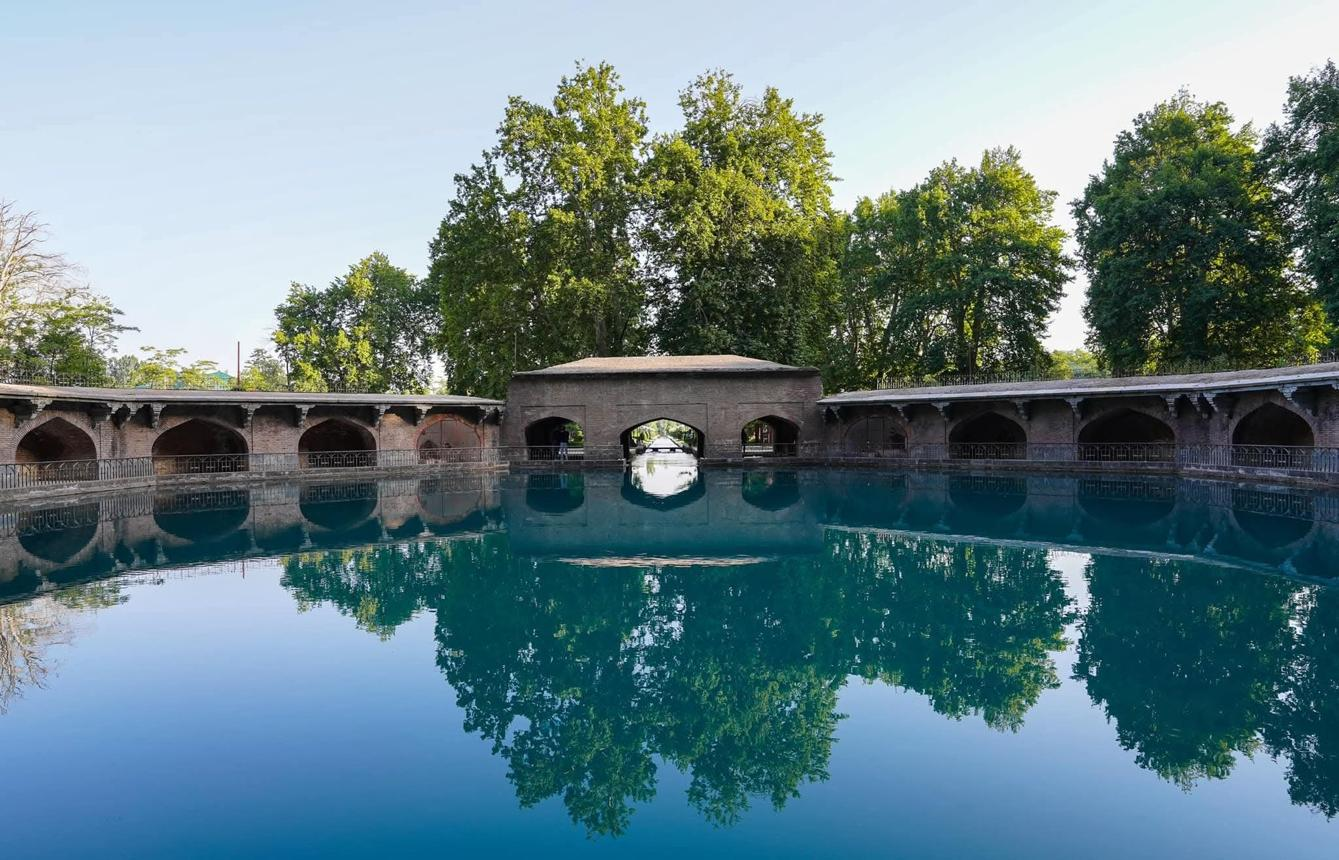
Not every winter excursion in Kashmir has to revolve around snow. The region’s natural springs, gardens and historical monuments offer a different kind of sightseeing experience.
Kokernag, in Anantnag district, is known for its freshwater spring, terraced gardens and trout-rearing facilities. Water emerging from the foothills flows through landscaped surroundings, creating a distinctive natural attraction.
Achabal is associated with a historic Mughal garden known for its water channels, Chinar trees and landscaped setting. The garden is traditionally associated with Empress Nur Jahan.
Verinag is particularly significant because its spring is recognised as the source of the Jhelum River. An impressive octagonal stone structure surrounds the spring, reflecting its historical association with the Mughal period.
These places provide opportunities to explore Kashmir’s architectural and natural heritage beyond its mountain resorts.
Where to stay: Srinagar or Anantnag can serve as accommodation bases for exploring these destinations.
How to reach: Kokernag is approximately 76 kilometres from Srinagar. Achabal and Verinag can be combined into a wider South Kashmir excursion, depending on road conditions.
9. Manasbal Lake: A Winter Retreat for Birdwatchers
Located approximately 30 kilometres from Srinagar in Ganderbal district, Manasbal Lake is known for its clear waters, surrounding villages and natural beauty.
The lake is particularly famous for its lotus blooms during the warmer months. Winter, however, brings a different attraction: migratory birds that make the lake an interesting place for birdwatchers and photographers.
The historic Jaroka Mughal Garden, traditionally associated with Empress Nur Jahan, is another point of interest.
For travellers who want a quieter excursion without going deep into the higher mountain regions, Manasbal offers a convenient option.
Where to stay: The lake can be explored as a day trip from Srinagar. Visitors may also find accommodation around Ganderbal.
How to reach: Manasbal is approximately 30 kilometres from Srinagar and generally takes around an hour by road, depending on traffic.
10. Doodhpathri: A Beautiful Meadow with Seasonal Access

Doodhpathri, in Budgam district, is known for its broad grasslands, streams and surrounding pine forests.
The meadow is particularly attractive during spring and summer, when green slopes and open landscapes create an inviting setting for nature excursions.
Winter can transform the destination with snowfall, but access becomes a major consideration. Heavy snow can make the road difficult or impossible to use for extended periods.
Visitors planning a winter trip should therefore avoid treating Doodhpathri as a guaranteed stop. Its inclusion in an itinerary should depend on updated local road and accessibility information.
11. Gurez and Bangus: Add These Valleys to Your Kashmir Bucket List
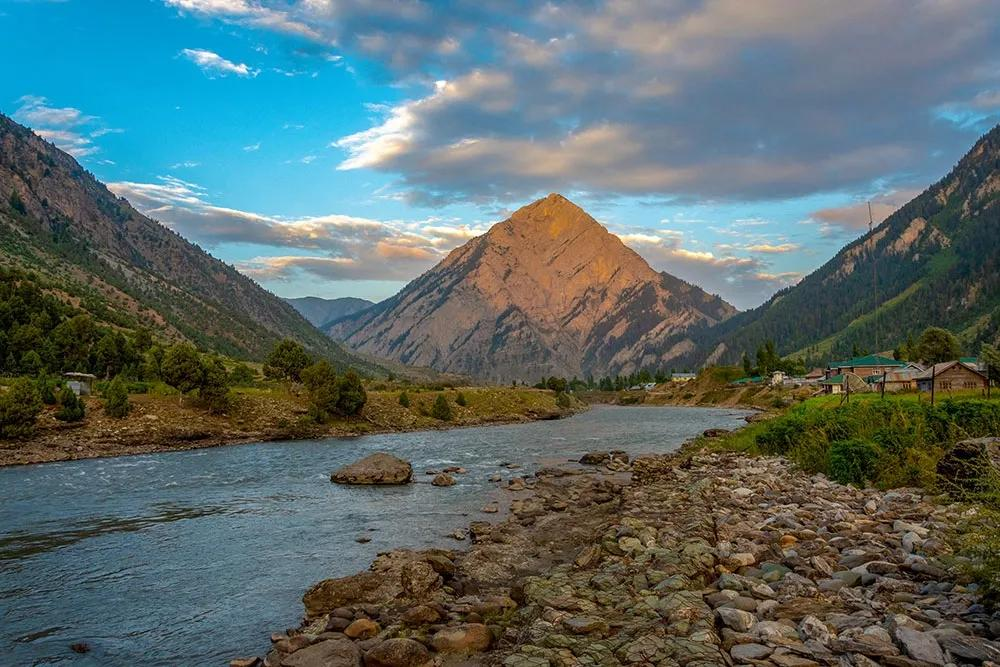
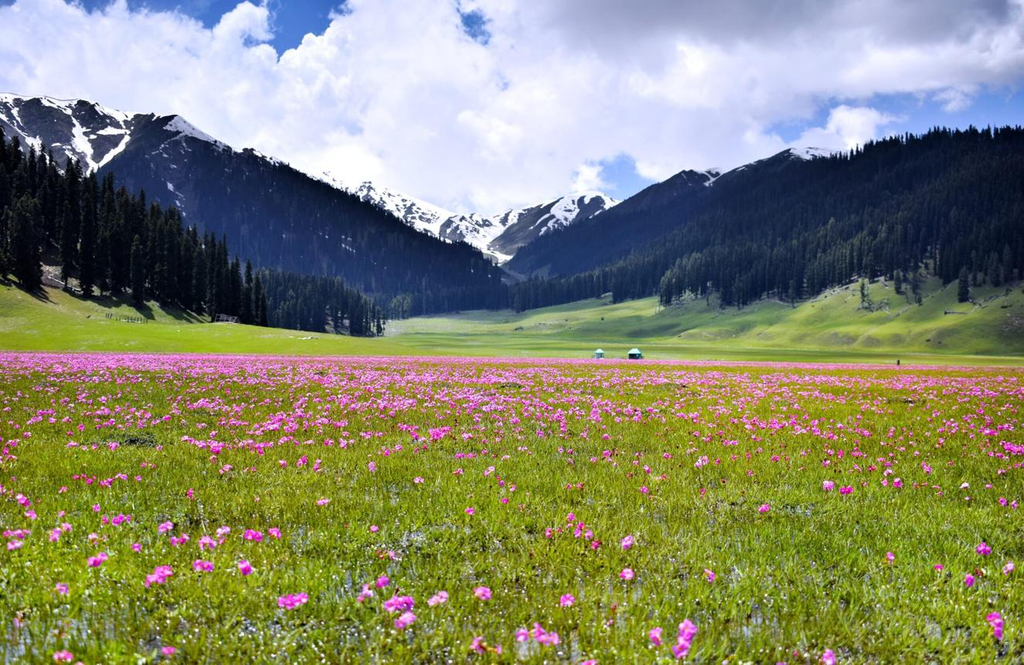

Two other destinations deserve attention from travellers interested in Kashmir’s lesser-explored landscapes: Gurez Valley and Bangus Valley.
Gurez, in Bandipora district, is known for the Kishanganga River, traditional settlements and the impressive Habba Khatoon peak near Dawar.
Bangus, in Kupwara district, is celebrated for its expansive alpine meadows and forests. During the warmer months, the landscape becomes particularly attractive for nature enthusiasts and photographers.
Both destinations are worth considering for a wider Kashmir itinerary. However, they should not be treated as dependable winter road destinations.
Heavy snowfall can close Razdan Pass, which affects access to Gurez. Bangus is also a high-altitude meadow where seasonal access is a significant consideration.
For a conventional December-to-February holiday, travellers should check official road conditions and local permissions before attempting either journey.
How to Reach Kashmir
Kashmir can be reached by air, rail and road, although winter weather may affect schedules and connectivity.
By air: Srinagar Airport is the most convenient option for travellers arriving from cities such as Delhi, Mumbai and Bengaluru. Flight schedules vary, and fog or snowfall can affect operations. Keeping a buffer day before an important onward journey is advisable.
By train: The direct Jammu Tawi–Srinagar Vande Bharat service began regular operations on May 2, 2026. The journey covers approximately 267 kilometres and takes around four to five hours. Travellers should check the latest timetable and availability before booking.
By road: Srinagar is connected to Jammu through National Highway 44. The journey generally takes around eight to ten hours under normal conditions. Snowfall, landslides and road-clearance operations can result in delays or temporary closures.
When Is the Best Time to Visit Kashmir in Winter?
November to February offers different seasonal experiences across the Valley.
| Period | What to expect |
|---|---|
| November | Autumn colours, crisp weather and early winter conditions |
| December | Transition into the main winter season, with snowfall possible at higher elevations |
| January | A strong period to plan for snow-covered landscapes, particularly in higher-altitude areas |
| February | Continued winter scenery and opportunities for snow activities, subject to conditions |
Travellers primarily interested in snowfall may consider late December, January or February, particularly for Gulmarg. However, snowfall cannot be guaranteed on specific travel dates.
Srinagar may receive intermittent snowfall while higher-altitude destinations experience heavier accumulation. Planning around road accessibility is just as important as planning around weather.
Suggested Seven-Day Kashmir Winter Itinerary
For first-time visitors, a seven-day itinerary can combine established attractions with a few quieter excursions.
| Day | Destination | Suggested experience |
|---|---|---|
| 1 | Srinagar | Arrive, explore Dal Lake and stay in a traditional houseboat |
| 2 | Srinagar | Visit the old city, Mughal gardens, Boulevard Road and local markets |
| 3 | Gulmarg | Explore the meadow and Gondola, subject to weather conditions |
| 4 | Pahalgam | Travel to Pahalgam, explore the Lidder River and local market |
| 5 | Aru Valley | Visit Aru and Betaab Valley if accessible and permitted |
| 6 | Manasbal or South Kashmir | Choose a quieter excursion based on road conditions |
| 7 | Srinagar | Return to Srinagar for departure |
Travellers with additional days can consider Sonamarg or Lolab, depending on accessibility and available time. Yusmarg and Aharbal are also possible excursions after checking local advisories.
Essential Tips Before Planning a Winter Holiday
Winter travel in Kashmir requires a little more preparation than a conventional sightseeing holiday.
Carry thermal innerwear, insulated jackets, gloves, woollen caps, warm socks and waterproof footwear with good grip. Temperatures can drop considerably after sunset, especially at higher elevations.
Book accommodation in advance, particularly around Christmas, New Year and the January–February travel period. Confirm whether hotels and houseboats provide room heating, hot water and backup electricity.
For skiing and other snow activities, use registered operators and experienced instructors. Avoid venturing into restricted areas or unmarked mountain slopes.
Most importantly, check official weather forecasts, road conditions and local administrative advisories before travelling between destinations. Some tourist locations may remain closed even when the main highways are operating.
The Anantnag district administration’s published list of closed tourist destinations includes places such as Daksum, Chandanwari and Baisaran. Travellers should confirm whether restrictions have changed before adding affected locations to their plans.
Kashmir in Winter Is More Than a Snow Holiday
Kashmir’s appeal lies in the variety of experiences it offers. Visitors can spend a morning watching shikaras move across Dal Lake, an afternoon exploring a historic garden and the following day discovering snow-covered slopes in Gulmarg.
There are the famous destinations that attract most visitors, but there are also quieter places such as Lolab, Yusmarg, Aharbal and Manasbal that introduce travellers to another side of the Valley.
Sometimes, the most memorable moment of a Kashmir winter holiday may simply be sitting beside the window of a traditional wooden houseboat, watching the mist settle over Dal Lake with a cup of steaming kahwa.


