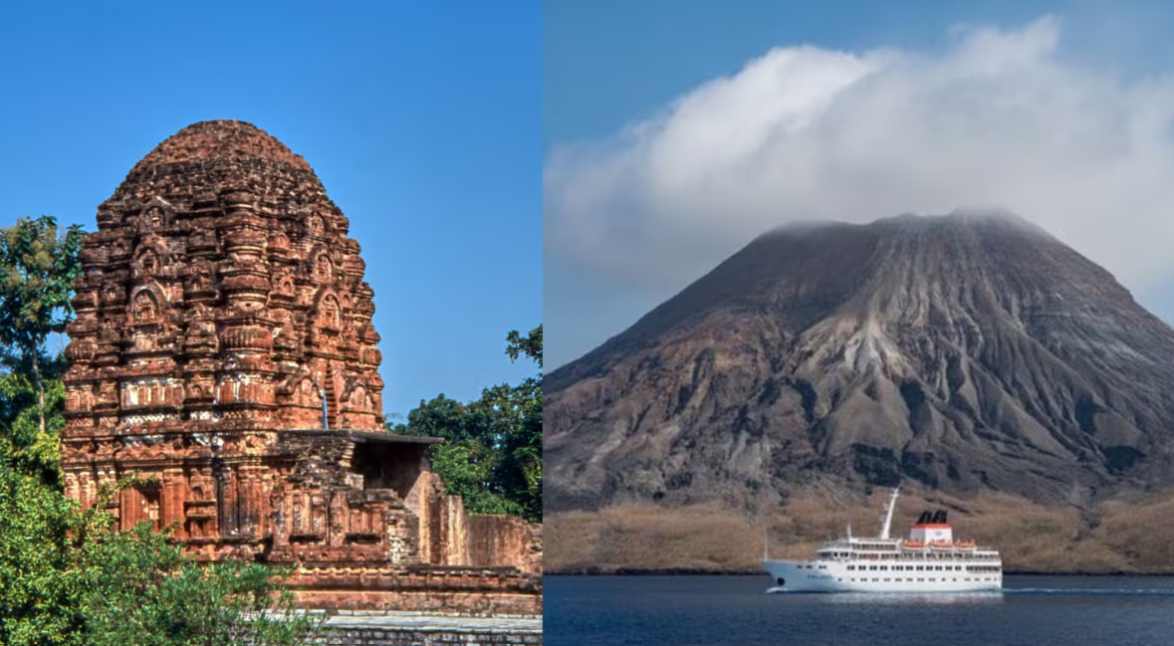
India’s cultural and natural heritage has gained international attention with the addition of three sites to UNESCO’s World Heritage Tentative List in October 2026. The new entries include two geological landscapes in the Andaman and Nicobar Islands and an ancient archaeological settlement in Chhattisgarh.
The additions are the Karst-mud-volcano Complex of Baratang, Andaman Subduction Volcanoes and Sirpur Cultural and Archaeological Landscape. Together, they highlight India’s geological diversity and the historical significance of its ancient settlements.
The inclusion brings India’s Tentative List to 81 properties. However, it is an early step towards possible World Heritage recognition, not confirmation that the three sites have received UNESCO World Heritage status.
1. Karst-mud-volcano Complex of Baratang, Andaman and Nicobar Islands

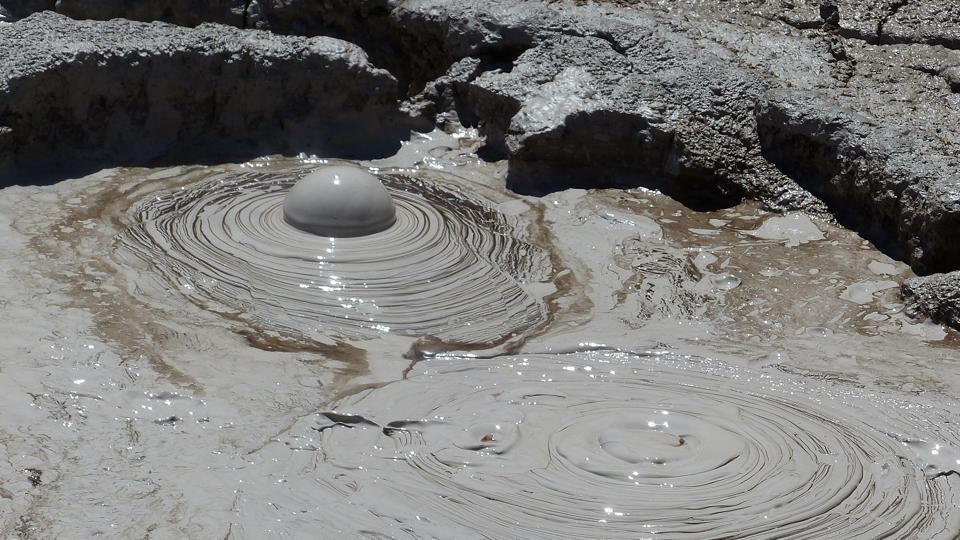

Baratang Island is known for its unusual combination of limestone caves and mud volcanoes. These geological formations make it different from the beaches and coastal landscapes more commonly associated with the Andaman Islands.
The limestone caves developed over long periods as water gradually dissolved the underlying rock, creating chambers and distinctive mineral formations. The island’s mud volcanoes, meanwhile, release a mixture of mud, water and gases from beneath the Earth’s surface rather than molten lava.
One notable feature is Mahadev Gupha, a cave whose formations have been studied for information about historical changes in India’s summer monsoon patterns.
The proposed heritage site highlights the geological processes that have shaped this part of the Andaman archipelago.
2. Andaman Subduction Volcanoes, Andaman and Nicobar Islands

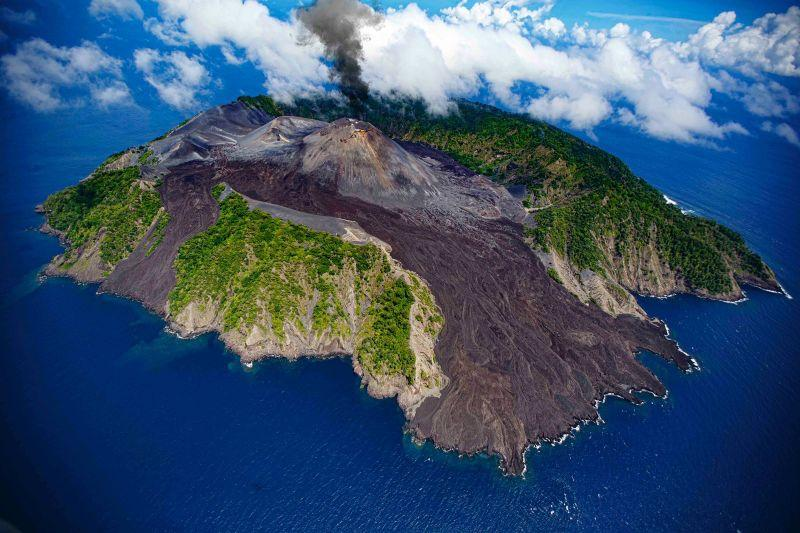
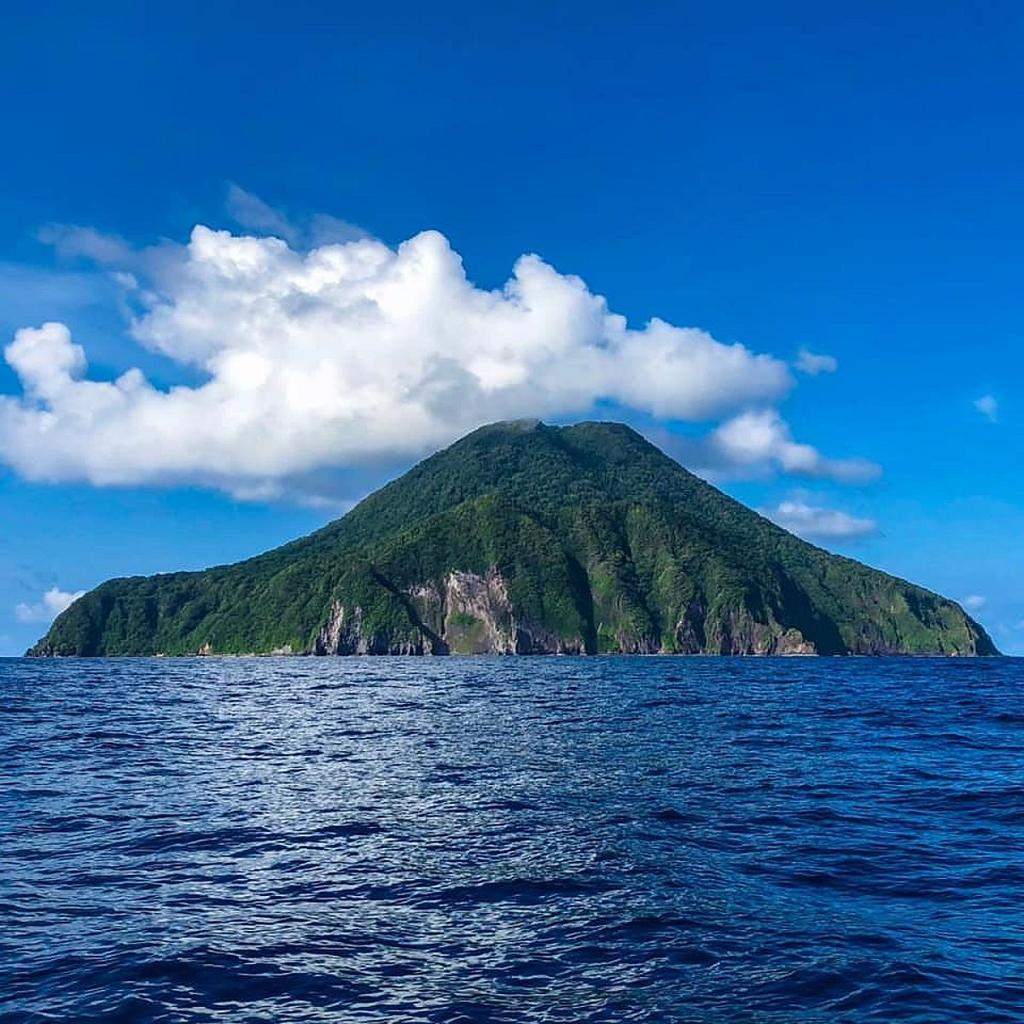
The second proposed natural heritage property brings together two volcanic islands: Barren Island and Narcondam Island. Both are part of a volcanic arc associated with tectonic activity in the Andaman Sea.
Barren Island is home to India’s only confirmed active volcano. Its recorded volcanic activity dates back to 1787, and the island’s landscape has been shaped by successive eruptions. The surrounding waters also support marine ecosystems.
Narcondam Island has a different landscape, with steep volcanic terrain covered in forest. It is particularly significant for its biodiversity and is home to the Narcondam hornbill, a bird species found naturally only on this island.
The proposed listing recognises the geological importance of these islands as well as the ecosystems that have developed in their relatively isolated environments.
3. Sirpur Cultural and Archaeological Landscape, Chhattisgarh

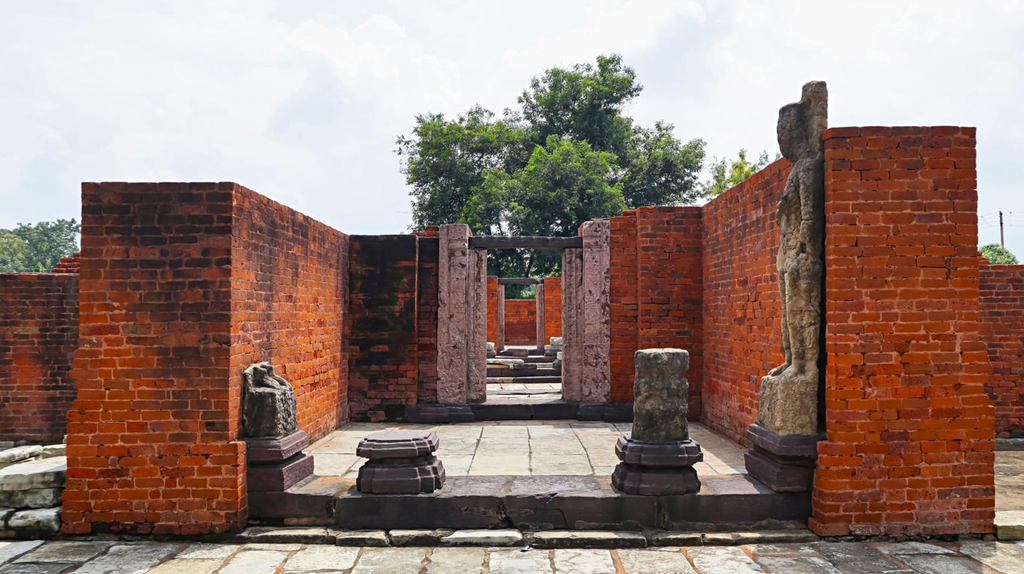
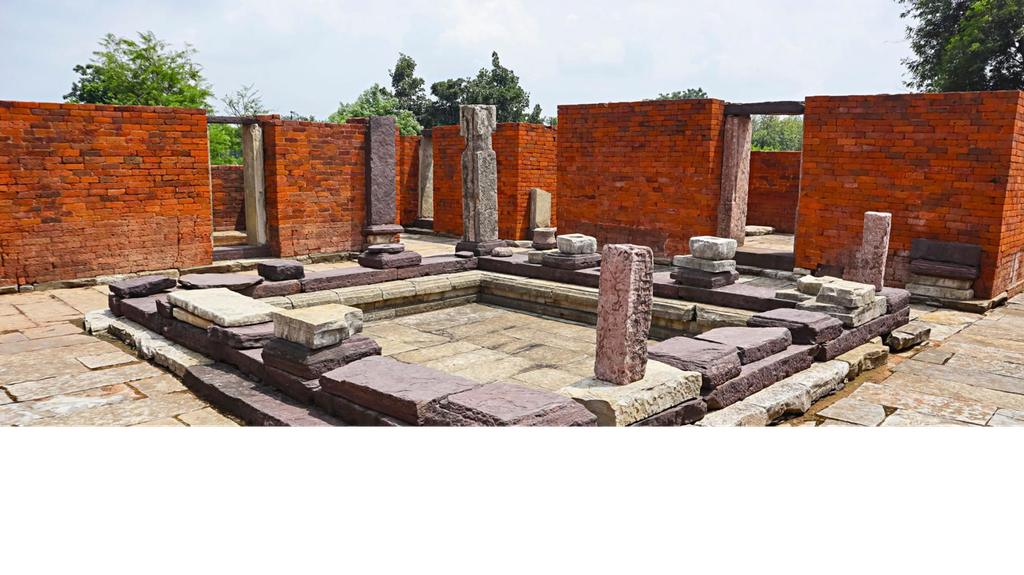
Located in Mahasamund district on the eastern bank of the Mahanadi River, Sirpur is an important archaeological settlement with a history stretching from the 5th to the 12th centuries.
Historically known as Shripur, the settlement developed as a centre of religious, cultural and commercial activity. Its archaeological remains include Hindu temples, Buddhist monasteries and Jain structures, reflecting the coexistence of different religious traditions.
One of its most recognised monuments is the Lakshmana Temple, an ancient brick temple noted for its architectural design and intricately carved entrance. Other excavated remains provide evidence of residential settlements, markets and craft activities, suggesting that Sirpur was more than a religious centre.
The proposed cultural landscape listing highlights the site’s historical importance and its role in understanding ancient urban life, trade and religious exchange in central India.
What Does UNESCO’s Tentative List Mean?
Being included on UNESCO’s World Heritage Tentative List is an important preliminary step for a site seeking international recognition. Countries use the list to identify properties that they believe may qualify for World Heritage status.
However, tentative-list inclusion does not mean a site has already been declared a UNESCO World Heritage Site.
The process generally involves:
- Tentative List: A country identifies properties with potential Outstanding Universal Value.
- Formal nomination: The country prepares and submits a detailed nomination dossier.
- Evaluation: The nomination undergoes expert assessment.
- Inscription: The World Heritage Committee decides whether to grant World Heritage status.
The three new Indian entries must progress through the relevant stages before they can receive the designation.
What the New Additions Mean for Indian Tourism
The three sites offer different experiences for travellers interested in India’s natural and cultural heritage.
Baratang brings attention to the geological attractions of the Andaman Islands beyond their beaches. Barren Island and Narcondam highlight the region’s volcanic landscapes and distinctive biodiversity. Sirpur, meanwhile, offers an opportunity to explore the archaeological history of Chhattisgarh.
Their inclusion on the Tentative List could increase awareness of lesser-known destinations and encourage further interest in heritage conservation and responsible tourism.
For now, the recognition marks an important step in bringing these locations into wider discussions about India’s heritage, while their potential World Heritage status remains a future possibility.