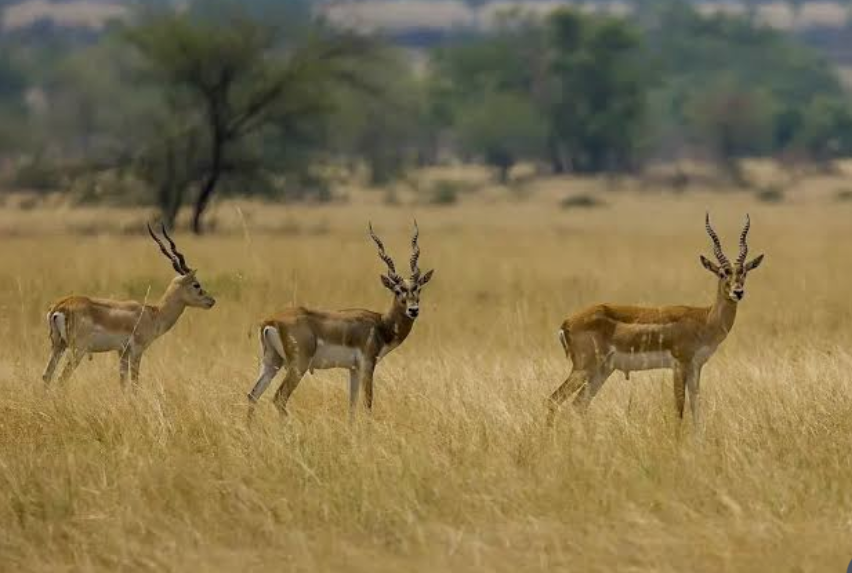
Visakhapatnam’s Hawa Mahal hosted WildVizag 2.0, a wildlife photography exhibition bringing India’s natural heritage into focus through striking images of animals, landscapes and diverse ecosystems. Organised as part of World Wildlife Week 2026, the exhibition highlighted Andhra Pradesh’s biodiversity and offered visitors a closer look at the work involved in wildlife monitoring and conservation.
Hawa Mahal Becomes a Showcase for Wildlife Photography

The exhibition opened at Hawa Mahal on Beach Road in Visakhapatnam on October 3, 2026, as part of World Wildlife Week celebrations. It brought together wildlife photographers from multiple states, with approximately 150 photographs capturing India’s diverse wildlife and natural landscapes.
The collection featured images representing forests, wetlands, grasslands, coastal habitats and protected areas. By presenting these environments through photography, the exhibition aimed to encourage visitors to appreciate the country’s biodiversity and understand the importance of protecting natural habitats.
Wildlife photography offers a way to connect urban audiences with ecosystems they may not otherwise experience firsthand. Images of animals in their natural surroundings can also draw attention to the landscapes and conservation efforts needed to protect them.
Photographs Highlight Andhra Pradesh’s Rich Biodiversity

A key focus of WildVizag 2.0 was the biodiversity of Andhra Pradesh, with photographs documenting the state’s varied habitats and wildlife. Photographers from four states contributed to the exhibition, creating a collection that extended beyond a single region.
The photographs showcased the diversity of India’s natural environments, from forest landscapes and wildlife habitats to wetlands and coastal ecosystems. The exhibition also included information about wildlife sanctuaries in Andhra Pradesh and the species they support.
For visitors, the collection offered an opportunity to discover lesser-known aspects of the state’s natural heritage while learning about the ecological importance of protected areas.
Conservation Equipment Offers a Look Behind the Scenes

Alongside the photographs, the Nagarjunasagar Srisailam Tiger Reserve team presented equipment used by forest personnel for wildlife monitoring and protection.
The display included camera traps, surveillance cameras, drones, tranquiliser equipment and other specialised tools. These exhibits helped demonstrate how technology and field equipment support wildlife observation, research and conservation operations.
The initiative also provided an opportunity for visitors to learn more about the practical challenges faced by forest personnel and the methods used to monitor animals in their natural habitats.
Project Black Documents 18 Snake Species
One of the featured collections was Project Black, which documented 18 snake species found in Andhra Pradesh. The photographs covered a range of species, including the king cobra and the Brahminy blind snake.
The collection drew attention to the diversity of snakes found across the state and the different habitats they occupy. By showcasing these often-misunderstood reptiles, the project also offered an opportunity to build awareness about their place in local ecosystems.
Such visual documentation can help audiences appreciate wildlife beyond more familiar or widely photographed animals, highlighting the importance of protecting a broad range of species.
WildVizag 2.0 Connects Photography With Conservation Awareness
Wildlife photography exhibitions can play an important role in environmental education by making biodiversity accessible to a wider audience. They bring images of forests, animals and remote habitats into public spaces, encouraging visitors to learn about conservation without having to travel to protected areas.
Through its combination of photographs, conservation equipment and information about Andhra Pradesh’s wildlife habitats, WildVizag 2.0 connected artistic expression with environmental awareness.
The exhibition also underscored the value of collaboration between photographers, forest departments and conservation organisations in communicating the importance of protecting India’s natural heritage.
Final Thoughts
WildVizag 2.0 brought wildlife photography and conservation awareness together at Visakhapatnam’s Hawa Mahal during World Wildlife Week 2026. Its collection of approximately 150 photographs highlighted the country’s biodiversity, while displays of field equipment and the Project Black collection offered visitors additional insights into wildlife protection.
By bringing these stories into an accessible public setting, the exhibition highlighted how photography can help people connect with nature and develop a greater appreciation for the ecosystems and species that need protection.