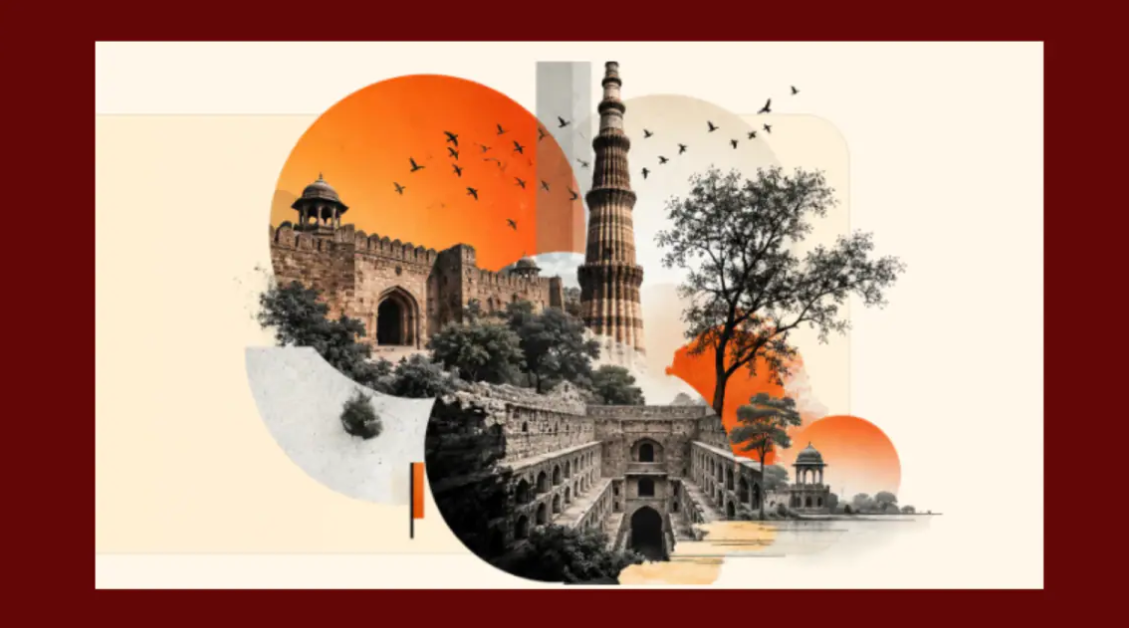
Delhi is preparing to turn its historic monuments, museums, galleries and public spaces into an expansive exhibition landscape with the India Biennale 2026, a 108-day celebration of art, architecture and design scheduled from December 4, 2026, to March 21, 2027.
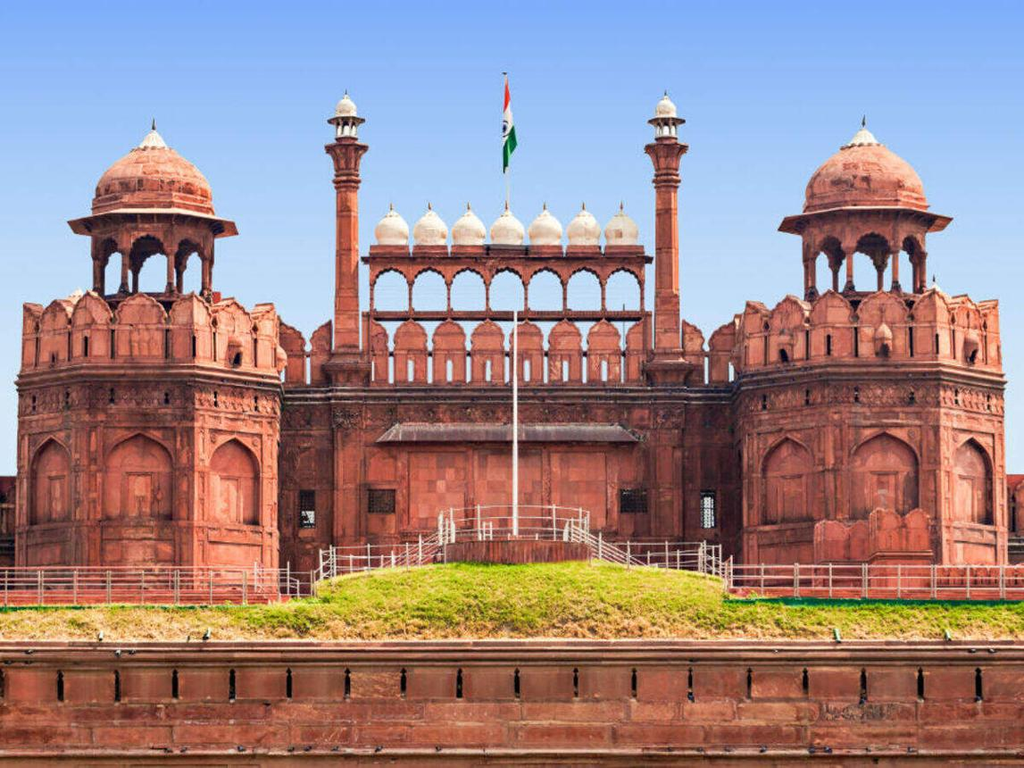
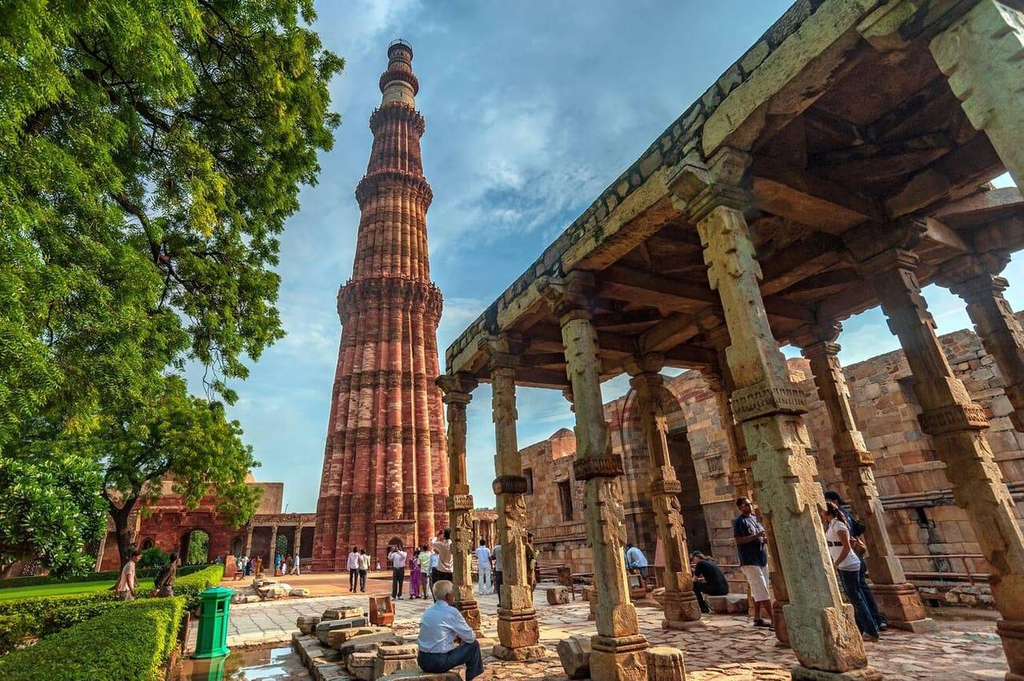
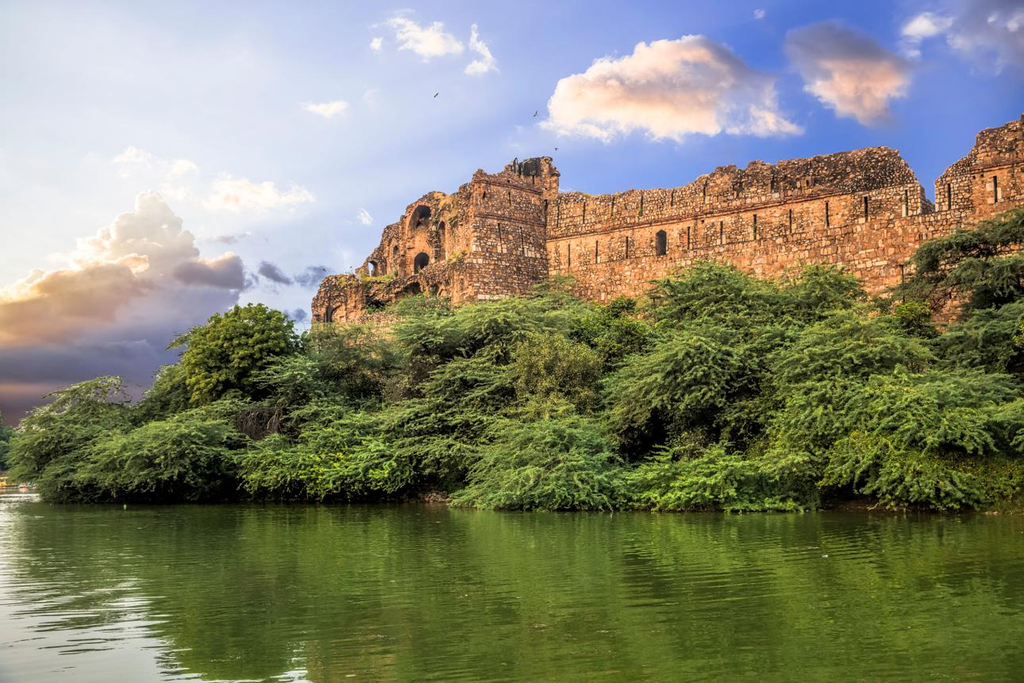
Presented by the Ministry of Culture, Government of India, the biennale will bring exhibitions, installations, performances, conversations and cultural experiences to some of the capital’s most recognisable locations, including the Red Fort, Qutub Minar and Purana Qila.
Under the theme Tat Tvam Asi (You Are That), the event explores the relationship between people, culture, communities and the world around them. Rather than concentrating activities inside a conventional exhibition venue, the programme will connect Delhi’s heritage spaces through a city-wide cultural trail.
Purana Qila will serve as the principal hub, while participating monuments and cultural institutions will host exhibitions and other programmes.
India Biennale 2026: Dates and Theme
The second edition of the India Art, Architecture and Design Biennale will run for 108 days, from December 4, 2026, through March 21, 2027.
Its central theme, Tat Tvam Asi, is an Upanishadic philosophical expression translated as “You Are That”. The curatorial concept encourages visitors to explore connections between individual identity, collective memory, culture and the surrounding environment.
The programme brings together four broad areas:
- Exhibitions: Curated presentations, installations and pavilions covering art, architecture and design.
- Experiences: Performances, guided walks, screenings and cultural encounters.
- Conversations: Discussions, knowledge-sharing sessions and exchanges among creative communities.
- Student Biennale: A platform for emerging creative voices to experiment, showcase ideas and engage with established practitioners.
The larger objective is to bring contemporary creative practices into dialogue with Delhi’s historic and cultural landscape.
Key Venues: From Red Fort to Qutub Minar
4
The biennale will extend across more than 20 heritage and cultural locations in Delhi. The selection includes monuments, museums, gardens and creative institutions.
Some of the principal venues are:
| Venue | Role in the biennale |
|---|---|
| Purana Qila | Principal hub for exhibitions, public programmes and cultural exchanges |
| Red Fort | Venue for contemporary art, storytelling and design exhibitions |
| Qutub Minar | Host to exhibitions and cultural experiences |
| National Gallery of Modern Art | Participating art institution |
| Humayun’s Tomb | Heritage setting for exhibitions and installations |
| Lodhi Garden | Outdoor cultural and creative space |
| Agrasen ki Baoli | Historic architectural venue |
| Hauz Khas | Part of the wider city-wide programme |
| National Museum | Participating cultural institution |
| Safdarjung Tomb | Venue for selected cultural experiences |
Other listed locations include Jantar Mantar, Mehrauli, Qila Rai Pithora, the Indira Gandhi National Centre for the Arts, Lalit Kala Akademi, National School of Drama, Sangeet Natak Akademi, Sabz Burj, Sakri Ghumti, Choti Ghumti and Barakhamba Tomb.
This distributed format allows visitors to experience contemporary creative work in settings that already carry historical, architectural and cultural significance.
What Visitors Can Expect at Red Fort and Qutub Minar
The Red Fort and Qutub Minar are among the most prominent locations on the biennale trail.
At the Red Fort, the exhibition programme includes projects such as Reconnecting Through Stories: Cheriyal Scroll Paintings as Living Archives of Community, Memory and Imagination, alongside design and contemporary art presentations.
At Qutub Minar, the official exhibition listings include a Dronah Foundation presentation and Varanasi: The Timeless by Paresh Maity and Ritu Beri.
These presentations bring different creative disciplines into historic spaces, offering visitors an opportunity to explore architecture, visual storytelling, craftsmanship and contemporary artistic interpretation.
Purana Qila will host a wider concentration of exhibitions and institutions, making it the central location for visitors planning to spend more time exploring the biennale.
India Biennale 2026 Tickets: Prices and Pass Options
The biennale has introduced a common ticketing system through its official website. A single Biennale Pass provides access to participating monuments, exhibitions, installations and public programmes covered by the pass. The official venue information says that a separate monument ticket is not required for participating sites.
The announced pass options are:
| Pass type | Validity | Price |
|---|---|---|
| One Day Pass | 1 day | ₹100 |
| Three Day Pass | 3 days | ₹200 |
| Week Pass | 7 days | ₹400 |
| Season Pass | Full season | ₹3,000 |
| Premium Pass | Full season | ₹10,000 |
The Premium Pass includes additional benefits such as parking, guided walkthroughs and volunteer support.
Each pass admits one person and carries its own QR code.
How to Book India Biennale 2026 Tickets
Visitors can book passes online through the official India Biennale website.
The booking process is straightforward:
- Visit the official India Biennale website and select Get Biennale Pass.
- Choose the preferred pass based on the duration of your visit.
- Complete the billing and payment process.
- Download the pass, which carries an individual QR code.
An official India Biennale mobile application is also being introduced to help visitors access their passes, explore venues and plan their routes across Delhi. The website currently lists the Android app for download.
Visitors planning to cover multiple monuments may find the Three Day, Week or Season Pass more convenient than purchasing individual day passes.
A Cultural Experience Across Delhi
The India Biennale 2026 is designed to connect contemporary creative work with the capital’s architectural and cultural heritage.
For visitors, this offers a different way to explore Delhi. A trip to the Red Fort or Qutub Minar can become part of a broader art and design experience, while locations such as Purana Qila, Lodhi Garden and the National Museum add further possibilities to the itinerary.
The festival also creates opportunities for architects, designers, artists, students, galleries and cultural institutions to engage with audiences from India and overseas.
With its 108-day programme, multiple venues and shared ticketing system, the India Biennale is set to position Delhi as a city-wide platform for art, architecture and design during the winter of 2026 and the first months of 2027.