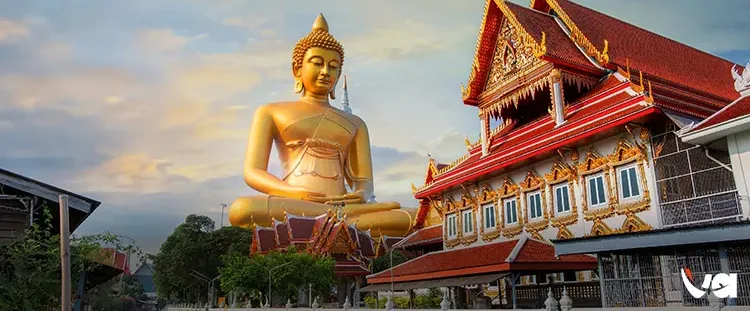
Thailand is known for its tropical beaches, vibrant cities, historic temples and warm hospitality. But beyond its popular attractions, the country has cultural traditions that visitors should understand before arriving. From avoiding touching someone’s head to respecting Buddhist temples, learning local etiquette can help travellers avoid misunderstandings and enjoy a more meaningful experience.
10 Things to Avoid When Visiting Thailand
1. Avoid Touching Someone’s Head
In Thai culture, the head is traditionally regarded as a particularly important and respected part of the body. Touching someone’s head, even as a friendly gesture, may be considered disrespectful. Travellers should avoid doing so unless there is a clear and appropriate reason.
2. Do Not Point Your Feet at People or Buddha Images
Feet are traditionally considered the lower part of the body in Thai culture. Pointing your feet towards another person, a monk or a Buddha image can be viewed as disrespectful.
When sitting inside a temple, position your feet away from sacred images and follow the behaviour of local worshippers.
3. Dress Respectfully at Temples
Thailand’s temples are active places of worship, not just tourist attractions. Visitors should cover their shoulders and wear clothing that covers their knees when required by the temple’s dress code.
Some religious sites enforce stricter rules, so carrying a light scarf or wearing comfortable trousers can be useful when sightseeing.
4. Remove Your Shoes Where Required
Shoes should be removed before entering temple buildings and many Thai homes. Look for footwear racks or follow the instructions displayed at the entrance.
Respecting this practice helps maintain cleanliness and demonstrates consideration for local customs.
5. Treat Monks With Respect
Buddhist monks hold an important place in Thai religious life. Visitors should behave respectfully around them and observe any restrictions at religious sites.
Women should avoid physical contact with monks or their robes and should follow local guidance when offering or passing objects to them.
6. Never Disrespect Buddha Images
Buddha images are sacred to many Thai people. Climbing statues, sitting on religious structures or treating sacred objects as casual props for photographs can cause offence.
Travellers should follow signs, respect restricted areas and take photographs only where permitted.
7. Be Mindful of Public Displays of Affection
Although attitudes vary across individuals and settings, excessive public displays of affection may be inappropriate in religious spaces and more conservative environments.
Visitors should be especially considerate at temples, shrines and cultural ceremonies.
8. Avoid Loud or Disruptive Behaviour
Speaking loudly, interrupting prayers or disturbing people who are meditating can be disrespectful, particularly at religious sites.
Keep your voice low in temples, follow photography rules and avoid blocking worshippers while taking pictures.
9. Respect Thailand’s Monarchy and National Symbols
Thailand places considerable importance on its monarchy and national institutions. Visitors should avoid insulting or deliberately disrespecting the royal family, national symbols or associated ceremonies.
Thailand also has laws concerning insults to the monarchy, making it particularly important to understand local laws and exercise care in public discussions.
10. Do Not Assume Every Custom Is the Same Everywhere
Thailand’s traditions can vary between communities, religious sites and social settings. A practice that is acceptable in one environment may be inappropriate in another.
Rather than relying entirely on general travel lists, observe local behaviour, read posted instructions and ask politely when uncertain.
Why Understanding Thai Culture Matters for Travellers
Responsible travel involves more than visiting famous attractions and capturing photographs. Understanding local customs helps visitors engage more thoughtfully with the communities they encounter.
Respecting religious spaces, maintaining appropriate behaviour and being mindful of personal boundaries can make interactions more comfortable for both travellers and residents.
For first-time visitors, even a basic understanding of Thai etiquette can make a meaningful difference to the overall travel experience.
Final Thoughts
Thailand offers an exciting combination of cultural heritage, natural beauty and contemporary experiences. Learning a few essential etiquette guidelines before travelling can help visitors navigate unfamiliar settings with greater confidence.
Whether exploring Bangkok’s temples, visiting northern Thailand’s historic sites or relaxing on the country’s islands, the best approach is simple: remain observant, respect local traditions and travel with an open mind.
That consideration can help turn a holiday into a more rewarding cultural experience.