Cities around the world are rethinking how their busiest streets are used. Instead of giving priority to cars and buses, urban planners are creating spaces where people can walk, shop, explore historic neighbourhoods and enjoy public activities more comfortably.
London’s Oxford Street, which introduced a major traffic-free zone in October 2026, has brought the idea back into the spotlight. Delhi’s Chandni Chowk offers an Indian example of how a busy commercial corridor can be redesigned around pedestrians.
From Copenhagen’s famous shopping street to New York’s lively Times Square plazas, here are six urban destinations where pedestrianisation has changed the visitor experience.
1. Oxford Street, London: A Famous Shopping Destination Goes Traffic-Free
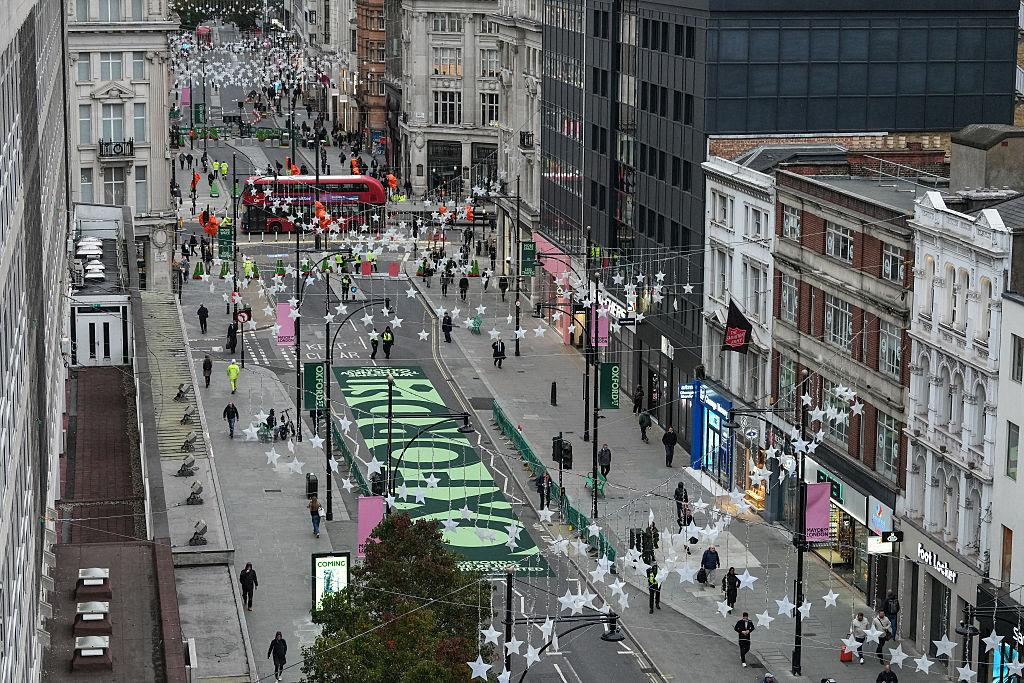
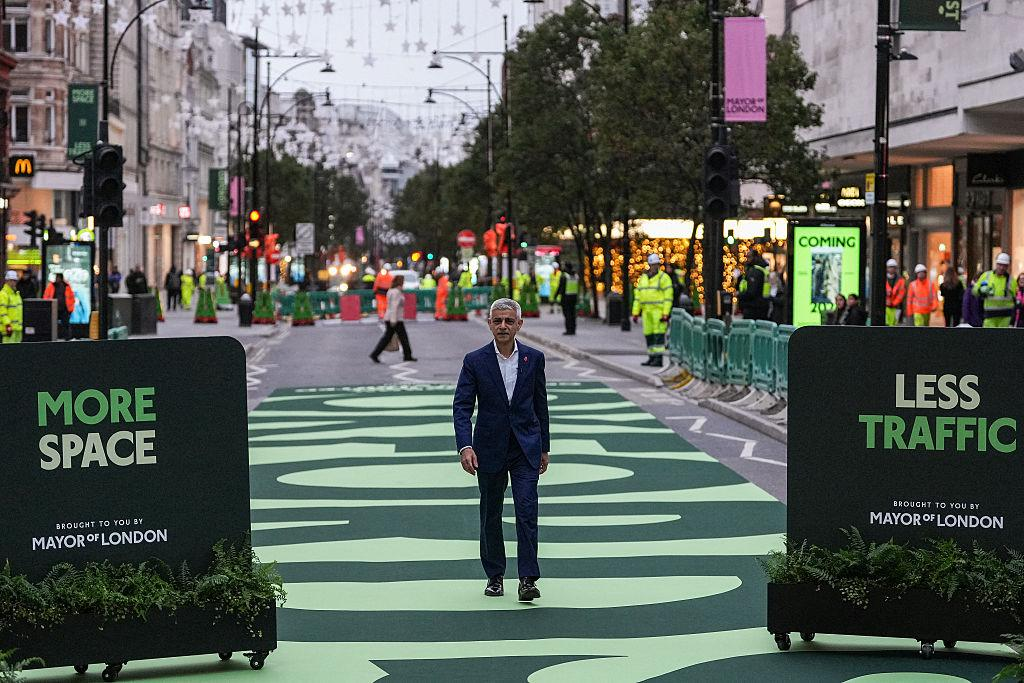
One of London’s best-known shopping destinations, Oxford Street, began its traffic-free transformation on October 26, 2026.
The first phase covers almost one kilometre between Orchard Street and Great Portland Street. Cars, buses, taxis, bicycles, scooters and other vehicles are excluded from the designated pedestrian area, with traffic redirected to surrounding roads.
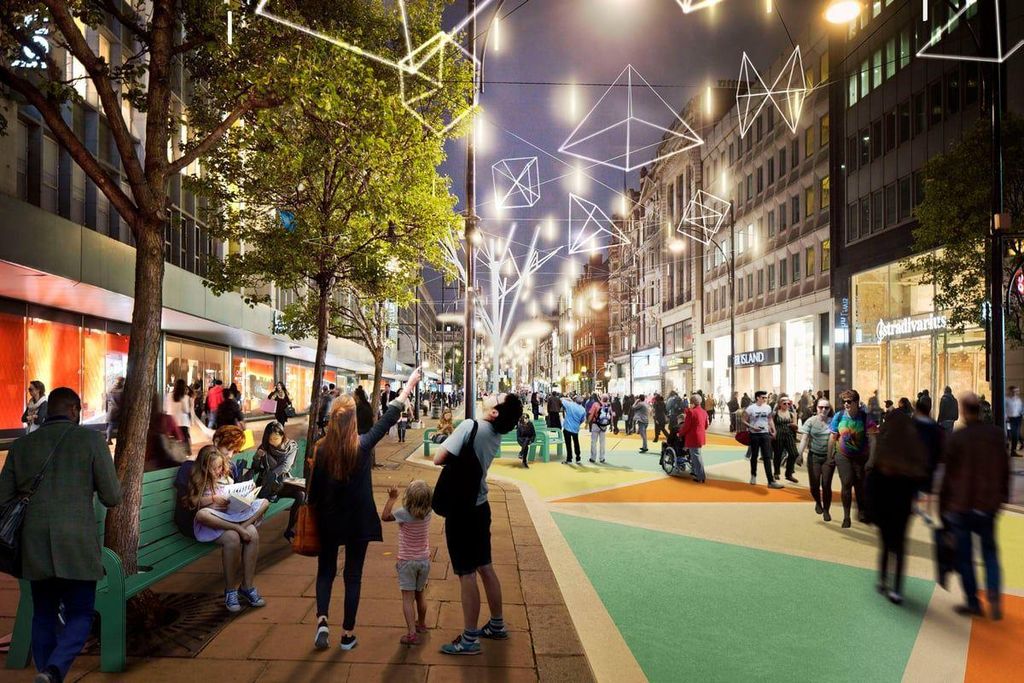
The change is part of a wider plan to make the shopping district more accessible and attractive to visitors. Further improvements planned for 2027 include more than 50 trees, over 100 seats, two public squares and additional rest areas.
The street continues to feature major retailers such as Selfridges, John Lewis and Zara. Its transformation is intended to give shoppers more space to browse and spend time in the area without navigating regular traffic.
The first phase is also being used to collect feedback from residents, businesses and visitors before permanent public-space improvements are finalised.
2. Chandni Chowk, Delhi: Old Delhi’s Historic Market Gets a Pedestrian Makeover


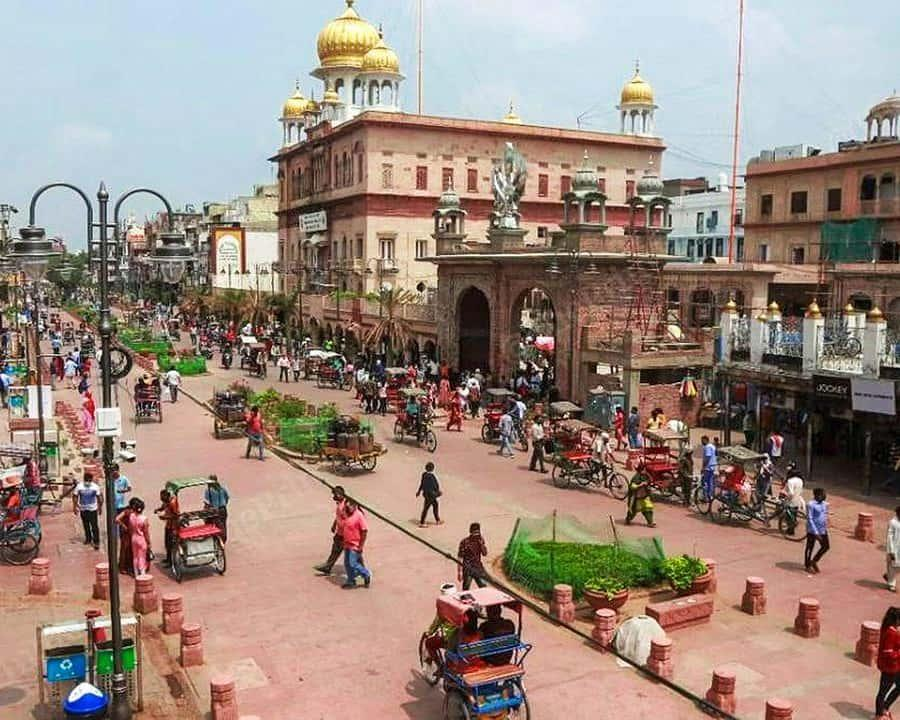
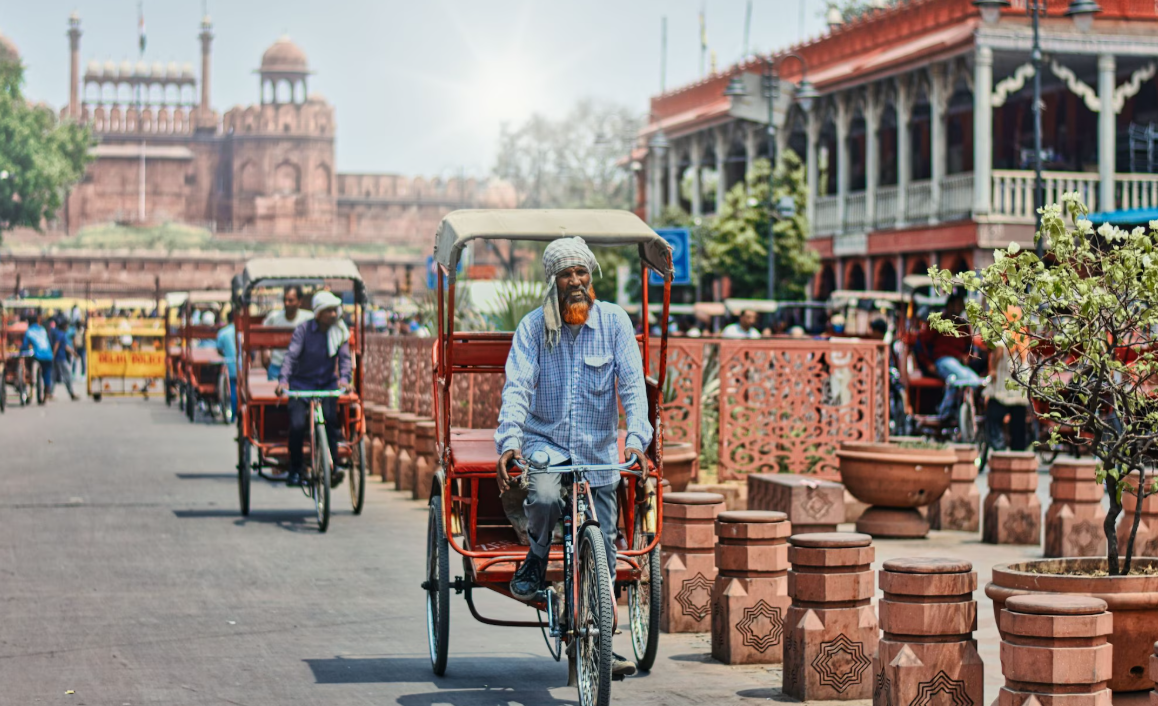
One of India’s most recognised examples of pedestrian-focused urban redevelopment is Chandni Chowk in Old Delhi.
Built during the Mughal era under Emperor Shah Jahan, the historic market has been a centre of commerce, traditional crafts, food and cultural activity for centuries.
Its redevelopment transformed the approximately 1.3-kilometre stretch between the Red Fort and Fatehpuri Masjid into a pedestrian-priority corridor. The project introduced improved paving, seating, landscaping, signage and designated non-motorised transport facilities.
The restrictions on motorised vehicles apply to the main road between 9 AM and 9 PM. Emergency and authorised service vehicles are covered by separate provisions, while access arrangements outside these hours differ from a permanently vehicle-free street.
Visitors can explore the market on foot, browse traditional shops and discover its famous food establishments. Nearby attractions include the Red Fort, Jama Masjid and the historic lanes of Shahjahanabad.
The redevelopment has made the walking experience a more prominent part of exploring one of Delhi’s oldest commercial districts, although managing deliveries, local access and traffic-rule enforcement remains important.
3. Strøget, Copenhagen: One of Europe’s Longest Pedestrian Shopping Streets
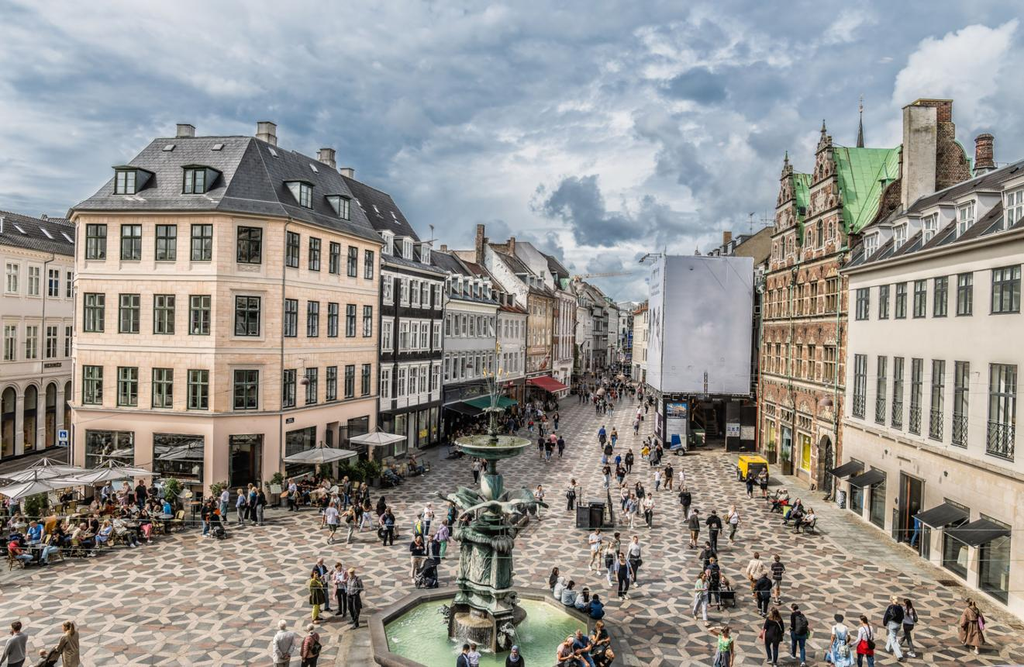
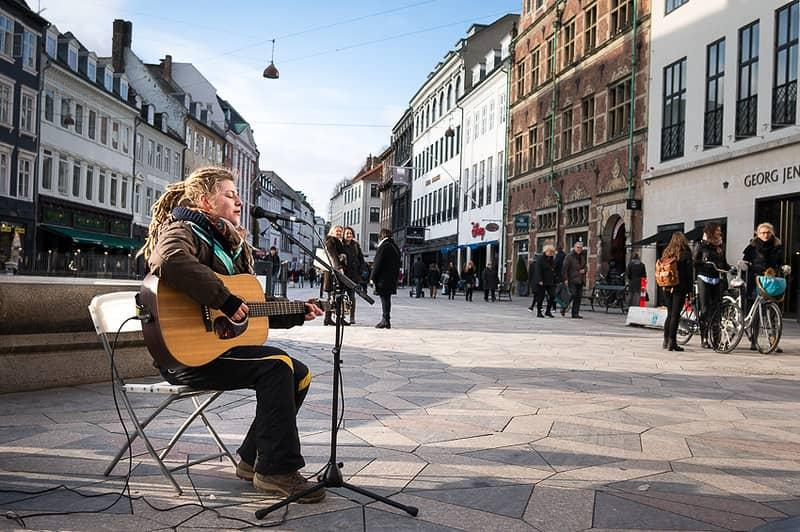

Copenhagen’s Strøget is a landmark example of pedestrian-friendly urban planning. Converted into a pedestrian street in 1962, it became an influential experiment at a time when many European cities were prioritising motor vehicles.
Stretching approximately 1.1 kilometres, Strøget connects City Hall Square with Kongens Nytorv, passing through several interconnected streets and public squares.
The shopping district features everything from international luxury brands to affordable fashion retailers. Visitors can also discover street performers, cafés, restaurants and historic architecture along the route.
Its pedestrian-friendly layout makes it possible to explore central Copenhagen at a relaxed pace while enjoying the city’s shopping and cultural attractions.
4. Times Square, New York: Broadway Becomes a Public Gathering Space
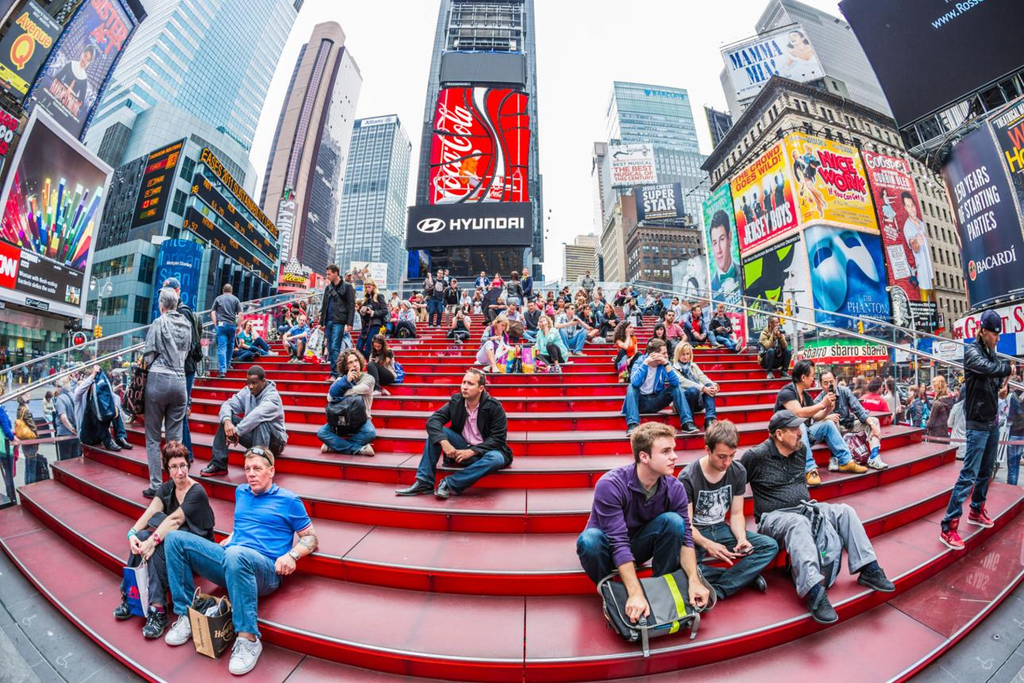
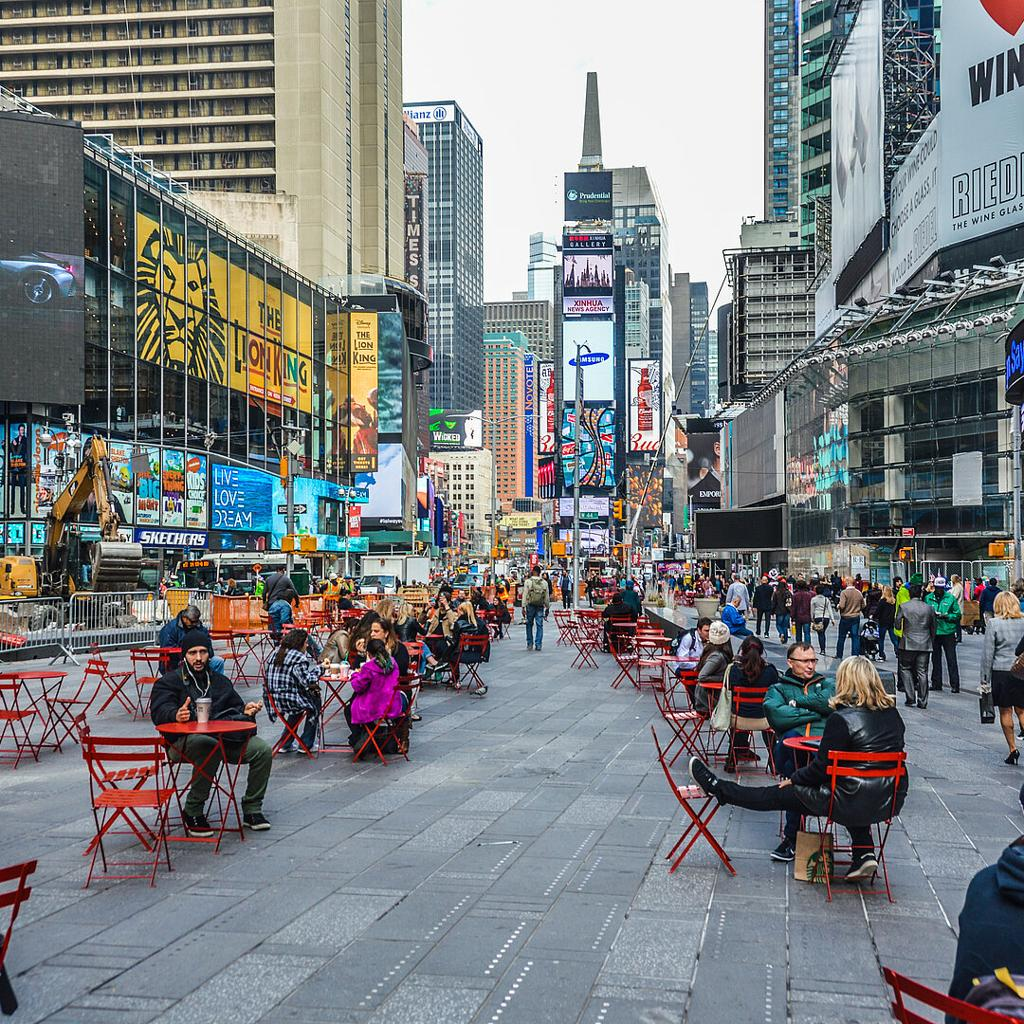
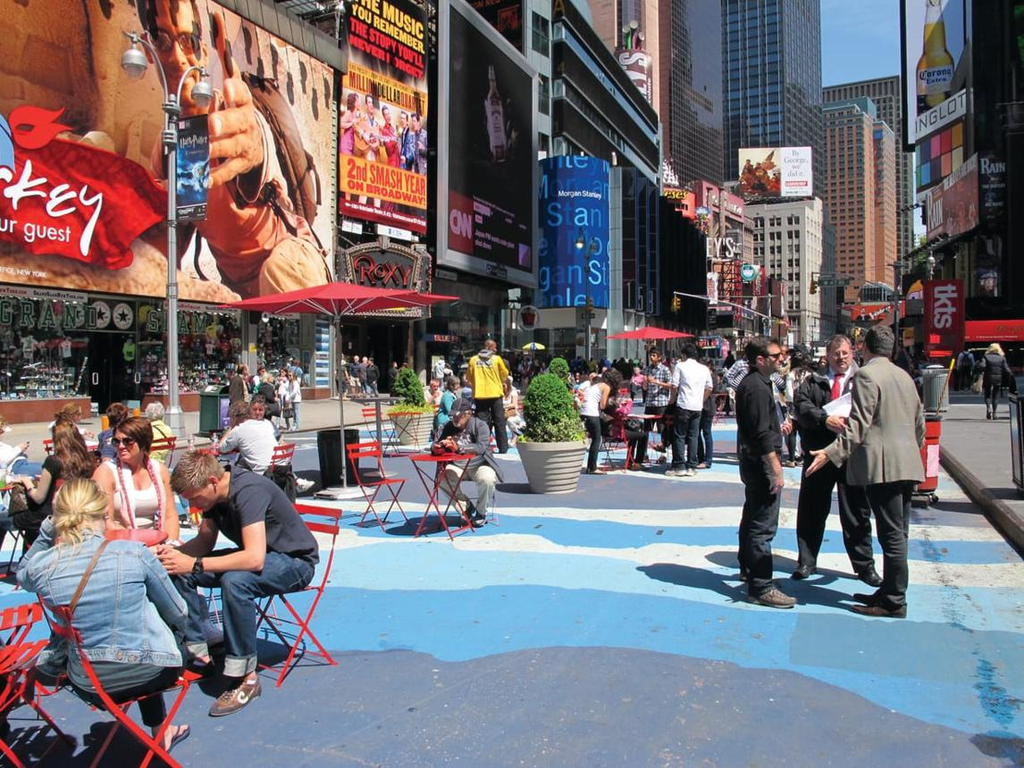
New York’s Times Square demonstrates how sections of a busy urban road can be transformed into vibrant public spaces.
In 2009, New York City began replacing vehicular space along parts of Broadway between 42nd and 47th Streets with pedestrian plazas. The experiment was subsequently made more permanent through reconstruction and public-space improvements.
Today, the plazas offer seating, walking areas and spaces for public activities beneath the area’s famous digital billboards.
Times Square is also an important entertainment destination, surrounded by Broadway theatres, restaurants, shops and hotels. Visitors can relax in the pedestrian areas, watch street performances and experience the energy of Midtown Manhattan.
The transformation illustrates how public spaces can become attractions in their own right rather than simply serving as routes for moving traffic.
Importantly, the pedestrianisation applies to designated sections of Broadway, not the entire Times Square road network. Cross-street traffic and surrounding vehicle routes continue to operate.
5. Grafton Street, Dublin: A Shopping Street Built Around Walking
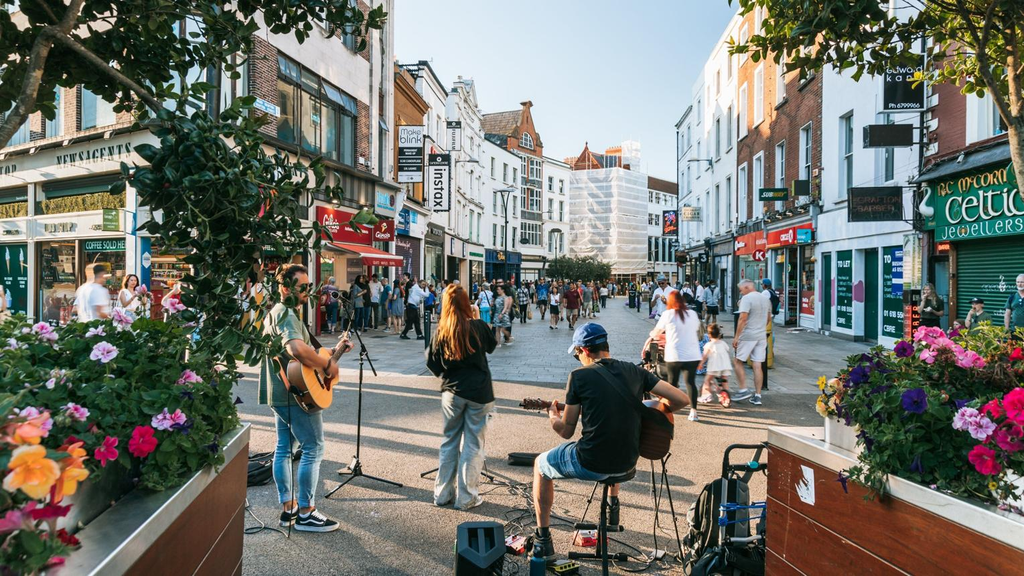

Located in the heart of Dublin, Grafton Street is among Ireland’s best-known shopping destinations.
The street was first used for pedestrianisation experiments in 1971 before becoming an established pedestrian zone in the 1980s. Its transformation helped create a lively shopping environment where visitors can browse stores, enjoy cafés and watch street musicians perform.
Popular establishments include Brown Thomas and the historic Bewley’s Café. The street also connects visitors to nearby attractions such as St Stephen’s Green and Trinity College Dublin.
Buskers and street performers are an important part of its identity, adding to the atmosphere throughout the day.
Although the main shopping section is pedestrianised, the surrounding streets and the northern end of Grafton Street have different traffic arrangements. The pedestrian zone also has designated access provisions for deliveries and authorised vehicles.
6. Le Piétonnier, Brussels: A Large Pedestrian Zone in the City Centre

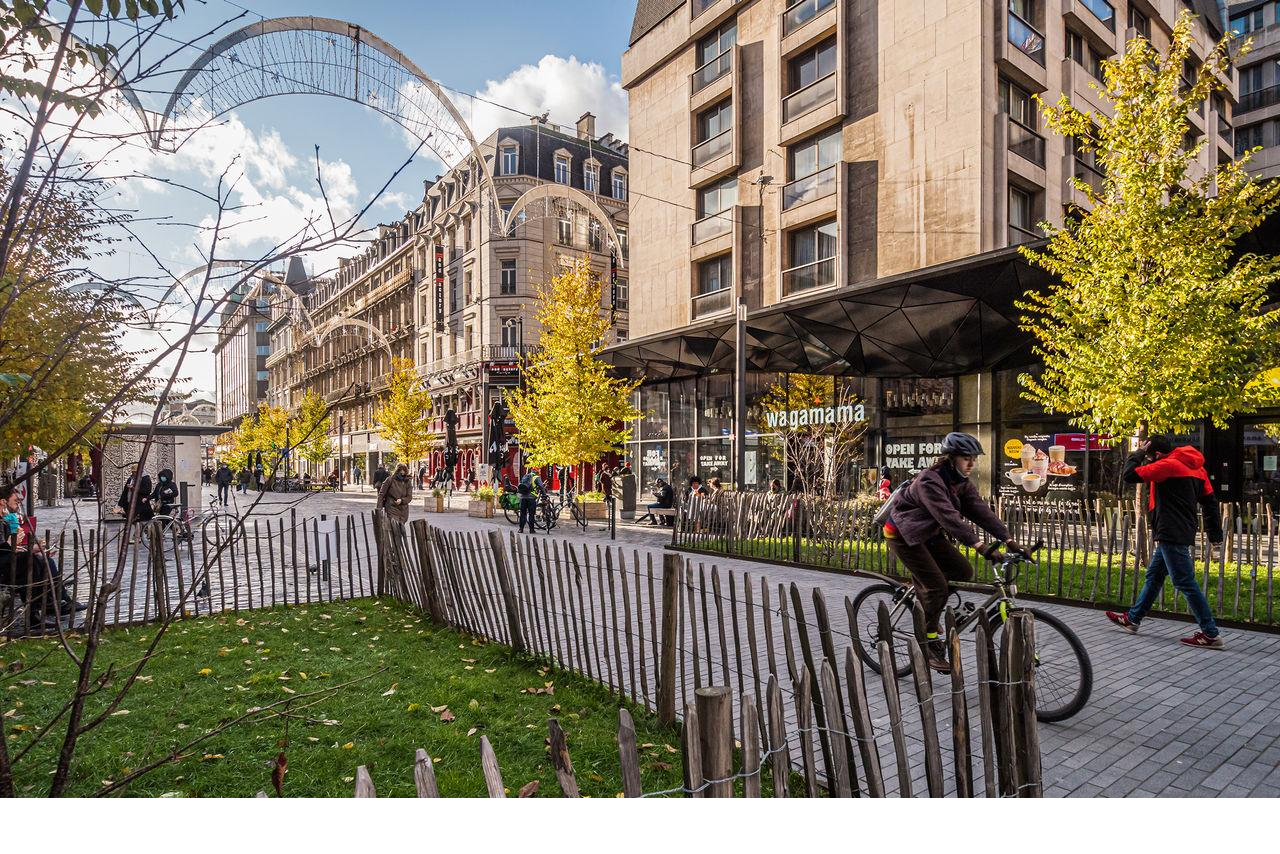
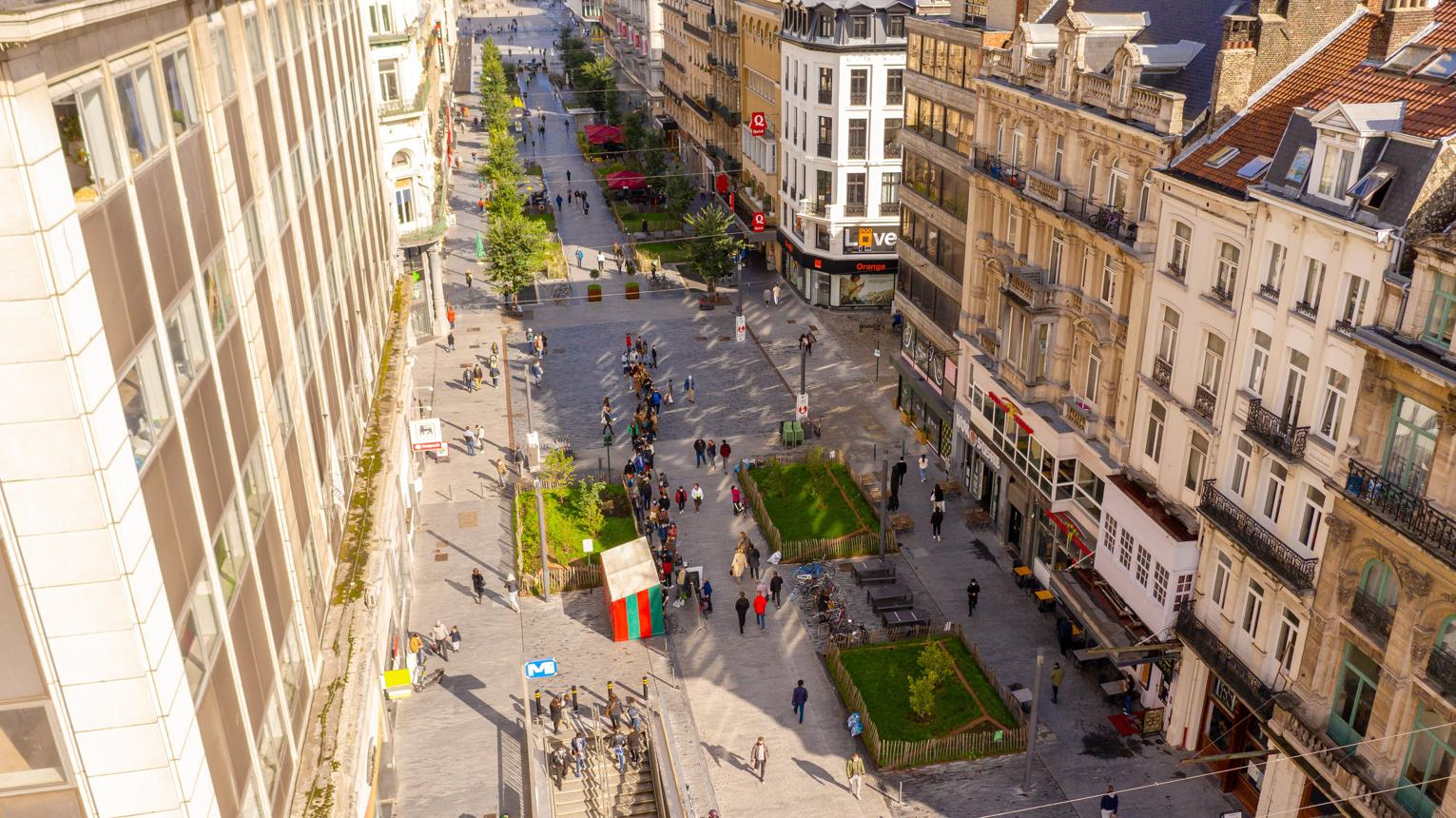
Brussels has developed one of Europe’s prominent city-centre pedestrian zones, known as Le Piétonnier.
The initiative began with the transformation of Boulevard Anspach in 2015, removing its role as a major urban traffic thoroughfare and turning the area into a public promenade.
The pedestrian zone brings together shopping streets, cafés, restaurants, open spaces and cultural venues. It also connects several central neighbourhoods, making it easier for visitors to explore the city on foot.
The area has gradually developed into a gathering place for residents and tourists, hosting cultural activities, public events and seasonal celebrations.
For travellers exploring Brussels, the pedestrian zone offers convenient access to the city’s central attractions and commercial districts without requiring constant movement through busy traffic corridors.
Why Are Cities Pedestrianising Their Streets?
Pedestrianisation is about more than restricting vehicles. It changes how people interact with public spaces and how commercial neighbourhoods function.
Several factors are driving the trend:
A better shopping experience: More walking space can make high streets and commercial areas easier to explore, encouraging visitors to spend time at local shops, cafés and restaurants.
Improved public spaces: Streets can accommodate seating, trees, public art, outdoor dining and cultural activities when less space is reserved for traffic.
Walking and accessibility: Properly designed pedestrian areas can offer more comfortable routes for people walking, families and visitors with mobility requirements.
Environmental considerations: Reducing motor traffic within selected urban corridors can help lower local vehicle emissions and noise, although wider environmental benefits depend on how traffic is managed in surrounding areas.
Tourism and local culture: Pedestrian streets often become attractions in their own right, allowing visitors to experience local shopping, food, architecture and street performances.
However, successful pedestrianisation also requires thoughtful arrangements for deliveries, public transport, emergency access, parking and people with disabilities. Without these measures, restricting vehicles can create challenges for businesses and residents.
What Pedestrianised Streets Mean for Travellers
For tourists, pedestrian-friendly destinations offer a different way of discovering a city. Instead of moving quickly between landmarks, visitors can explore neighbourhoods, browse local markets, stop for food and observe everyday city life.
From the shopping streets of Copenhagen to Delhi’s historic Chandni Chowk and the public plazas of Times Square, these destinations demonstrate how urban spaces can become part of a city’s travel experience.
The broader shift is towards streets designed not only for transportation but also for people, culture and commerce.