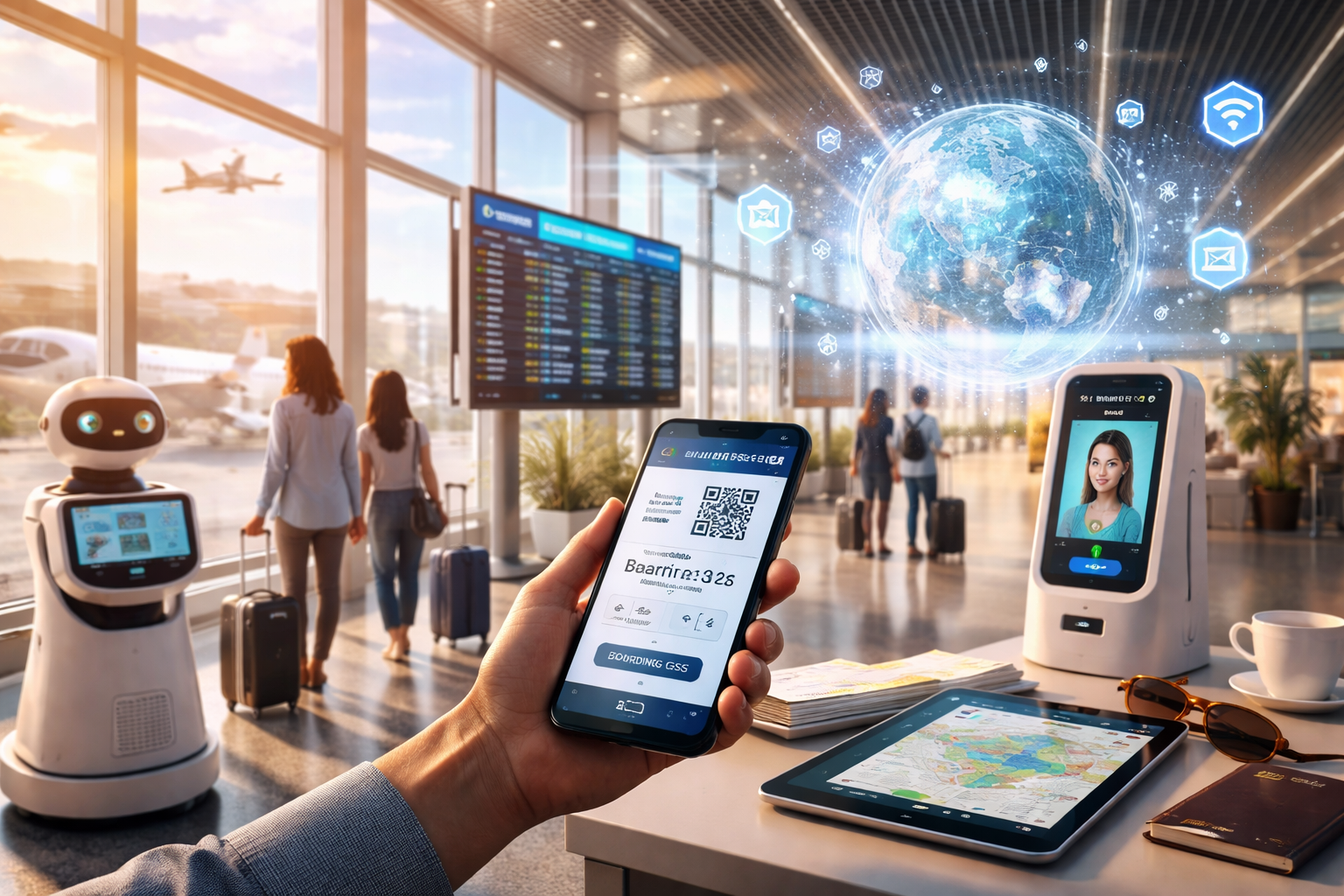
Not long ago, travel planning meant stacks of printouts, last-minute phone calls to hotels, and a fair amount of uncertainty once you reached your destination. Today, the transformation is subtle but powerful. Travel technology isn’t loudly announcing its presence instead, it’s quietly reshaping how we plan, book, and experience journeys, often without us even realising it.
From inspiration to arrival, technology has become the invisible companion every modern traveller relies on.
Planning Has Become Personal
The first shift happens even before a ticket is booked. Algorithms now understand travel intent better than ever before. Search engines, social platforms, and travel apps analyse preferences — destinations browsed, budgets considered, and even travel seasons preferred — to suggest trips that feel increasingly tailor-made.
AI-powered recommendation engines curate itineraries, experiences, and accommodations based on individual behaviour, replacing generic travel guides with personalised discovery. Whether it’s a boutique stay in the hills or a wellness retreat by the sea, travellers today are planning journeys shaped by their lifestyle, not just availability.
Booking Is Faster, Smarter, and Seamless
Booking travel has evolved into a near-frictionless experience. Integrated platforms now allow travellers to compare flights, hotels, trains, and even local experiences in one ecosystem. Dynamic pricing tools offer transparency, while smart alerts notify users when fares drop or rooms become available.
For hotels, airlines, and cruise lines, backend technology has revolutionised operations. Revenue management systems optimise pricing in real time, while cloud-based platforms ensure smoother coordination between reservations, inventory, and guest services. What looks effortless on the front end is powered by complex systems working quietly in the background.
Airports and Stations Are Becoming Smarter
The journey itself has also changed. Biometric check-ins, digital boarding passes, facial recognition, and automated security lanes are reducing wait times and easing congestion across airports and major transport hubs.
Smart infrastructure is making transit more intuitive — from real-time gate updates to predictive baggage tracking. For travellers, this means fewer uncertainties and a calmer experience. For operators, it translates into efficiency, safety, and improved passenger satisfaction.
The Rise of Contactless and Cashless Travel
One of the most noticeable yet understated shifts is the move toward contactless travel. Digital wallets, QR-based check-ins, mobile room keys, and touch-free payments are now standard across airlines, hotels, and even local transport networks.
This isn’t just about convenience — it’s about confidence. Contactless systems enhance hygiene, speed, and trust, making travel feel safer and more fluid. The result is a journey where travellers spend less time navigating logistics and more time enjoying the experience.
On-Ground Experiences Are Being Enhanced, Not Replaced
Contrary to fears that technology might dilute authenticity, it has often done the opposite. Translation apps enable deeper conversations with locals. Navigation tools help travellers explore lesser-known neighbourhoods. Augmented reality tours bring history to life without overwhelming physical spaces.
For destinations, technology is enabling better crowd management, sustainable tourism practices, and data-driven planning — ensuring that experiences remain meaningful while protecting local ecosystems and cultures.
Hospitality Is Becoming More Human Through Technology
In hotels, technology is no longer just about automation; it’s about anticipation. Smart CRM systems allow properties to remember guest preferences — from room temperature to pillow choice — creating a sense of familiarity across visits.
AI chatbots handle routine queries, freeing staff to focus on personal interactions. Behind the scenes, predictive analytics help hotels forecast demand, manage resources responsibly, and enhance guest satisfaction without sacrificing warmth or service.
The Quiet Power of Travel Technology
What makes this transformation remarkable is its subtlety. Travel technology isn’t replacing the joy of discovery — it’s removing friction, uncertainty, and inefficiency from the journey. It allows travellers to focus on what truly matters: experiences, connections, and stories.
As technology continues to evolve, its role in travel will only deepen — not as a distraction, but as an enabler. Quietly, seamlessly, and thoughtfully, it is redefining how the world moves.